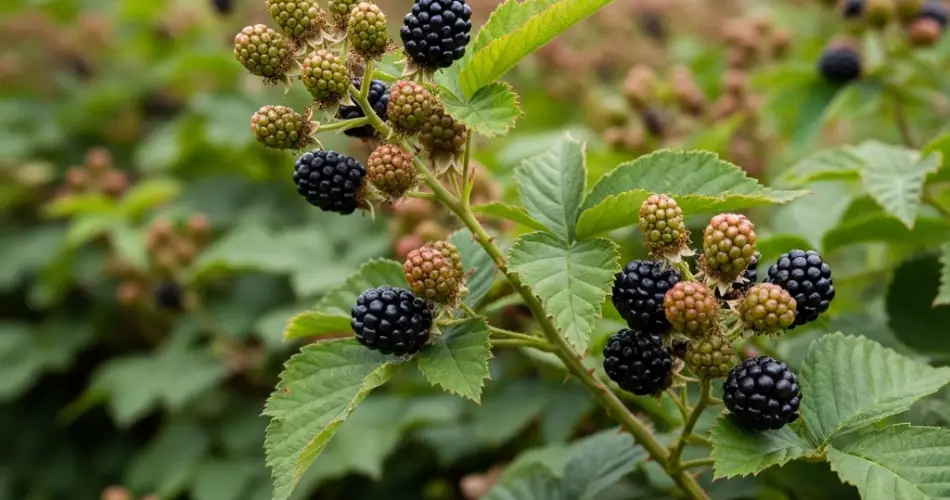
Blackberries are a delicious and rewarding crop to grow at home, offering juicy fruits and vigorous vines. However, like many fruit-bearing plants, blackberries are susceptible to a range of pests that can damage leaves, stems, and berries. Instead of relying on chemical pesticides—which can harm beneficial insects and disrupt the garden ecosystem—many gardeners are turning to natural pest control methods.
Natural pest control not only protects your blackberry plants but also fosters a healthy, balanced environment that encourages strong growth and productive harvests. Here’s how to keep pests at bay using organic, eco-friendly strategies.
Common Pests That Attack Blackberry Plants
Before you can manage pests effectively, it’s important to know which ones you’re dealing with. Some of the most common blackberry pests include:
-
Aphids – Tiny, soft-bodied insects that feed on sap and can cause curling leaves and stunted growth.
-
Spider Mites – Microscopic pests that thrive in dry conditions and cause yellowing leaves with fine webbing.
-
Japanese Beetles – Metallic green beetles that skeletonize leaves and reduce fruit yield.
-
Raspberry Crown Borers – Caterpillars that bore into the crown and roots, weakening or killing the plant.
-
Fruitworms and Moth Larvae – These pests target the berries, making them unfit for harvest.
-
Scale Insects – These attach to canes and stems, drawing sap and reducing vigor.
Fortunately, all of these can be managed with natural pest control practices.
1. Encourage Beneficial Insects
Your garden already contains some of the best pest control agents—beneficial insects that prey on harmful bugs.
Attract these allies:
-
Ladybugs and lacewings feed on aphids and mites.
-
Parasitic wasps target moth larvae and fruitworms.
-
Ground beetles and spiders help control a wide variety of pests.
How to attract them:
-
Plant nectar-rich flowers like dill, yarrow, and marigolds near your blackberry patch.
-
Avoid broad-spectrum pesticides that kill helpful insects.
-
Let a portion of your garden go wild with native plants to create habitat diversity.
2. Use Neem Oil or Insecticidal Soap
For mild to moderate infestations, neem oil and insecticidal soap are effective, non-toxic options.
Neem oil spray:
-
Mix 1–2 teaspoons of neem oil with a few drops of liquid soap in 1 liter of water.
-
Spray directly on affected leaves, especially the undersides where pests hide.
-
Repeat every 7–10 days during pest outbreaks.
Insecticidal soap:
-
Safe for organic gardens.
-
Targets soft-bodied insects like aphids and mites.
-
Apply early in the morning or late afternoon to avoid leaf burn.
Always test a small area first to make sure your plant doesn’t react negatively.
3. Handpicking and Physical Barriers
Manual pest control is simple, effective, and chemical-free.
Tips:
-
Inspect leaves and stems regularly for visible pests like beetles and caterpillars.
-
Pick them off and drop into soapy water.
-
Use row covers or netting to prevent larger pests like beetles and birds from accessing the berries.
-
Wrap plant bases with garden fabric to prevent borers from laying eggs near the crown.
Frequent observation and early action are key to preventing outbreaks.
4. Maintain Good Garden Hygiene
Pests thrive in gardens with poor sanitation and excessive moisture.
What to do:
-
Prune canes in late winter to remove old, diseased, or weak growth.
-
Remove any fallen or rotting berries, as they attract fruit flies and other pests.
-
Clear out weeds and plant debris that can harbor insects.
-
Space plants adequately to allow airflow, reducing fungal and pest issues.
A tidy garden discourages pests from settling in and multiplying.
5. Mulch Wisely
Organic mulch helps retain soil moisture and suppress weeds, but it can also provide shelter for pests if not managed properly.
Use:
-
Straw, wood chips, or pine needles in a 2–3 inch layer.
-
Keep mulch a few inches away from plant crowns to avoid moisture buildup and borer attraction.
-
Refresh mulch regularly to prevent decay and mold.
Mulch not only feeds the soil but also contributes to healthier, more resilient plants.
6. Rotate Crops and Practice Companion Planting
Avoid planting blackberries in the same spot every year if you’re replanting, and take advantage of pest-repelling companion plants.
Good companions:
-
Garlic and chives – Help deter aphids and spider mites.
-
Nasturtiums and marigolds – Attract predatory insects and confuse pests.
-
Tansy – Repels beetles when planted nearby.
Crop rotation and companion planting disrupt pest life cycles and enhance biodiversity.
7. Water and Fertilize Properly
Overwatering or excessive fertilization can create conditions that attract pests or weaken your plants’ natural defenses.
Tips:
-
Water deeply but infrequently to prevent fungal issues.
-
Avoid overhead watering, which can spread disease.
-
Use a balanced organic fertilizer—too much nitrogen can lead to lush foliage that pests love.
Healthy plants are better equipped to resist and recover from pest attacks.
Final Thoughts
Keeping pests away from your blackberry plants doesn’t have to involve harsh chemicals. By implementing natural pest control methods—such as attracting beneficial insects, maintaining proper garden hygiene, and using organic sprays—you can protect your crop and promote a thriving, balanced garden ecosystem.
With consistency and observation, your blackberry patch will stay productive, healthy, and full of sweet, juicy berries all season long.


