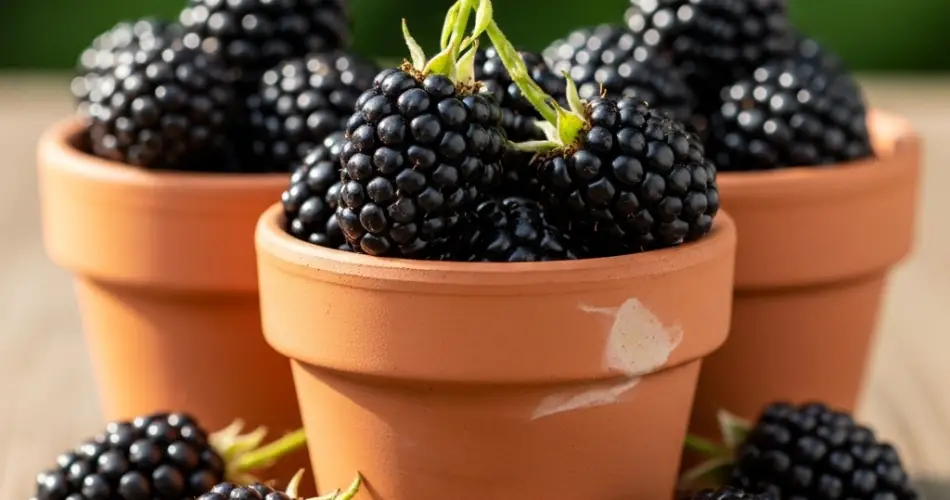
Blackberries are delicious, nutrient-rich fruits that are surprisingly easy to grow at home—even if you don’t have a garden. With the right care and setup, blackberries can thrive in containers on patios, balconies, and terraces. Growing them in pots not only saves space but also allows for better soil control and mobility, making them ideal for urban gardeners or those with limited space.
Here’s a comprehensive guide on how to grow blackberries in pots for a bountiful harvest right outside your door.
Why Grow Blackberries in Containers?
Growing blackberries in pots has several advantages:
-
Space efficiency: Great for small yards, patios, or balconies.
-
Mobility: Move the container to optimize sun exposure or protect from harsh weather.
-
Soil control: Tailor the soil to meet the plant’s needs and reduce the risk of disease.
-
Pest management: Easier to monitor and treat for pests or diseases compared to in-ground plants.
With the right variety and care, your container-grown blackberries can be just as productive as those grown in the ground.
Choosing the Right Variety
The first step is selecting the right type of blackberry. There are two main types:
-
Erect or semi-erect varieties – These have sturdy canes that may not need support but benefit from staking.
-
Trailing varieties – These need a trellis or support system to climb.
For containers, thornless, erect, or semi-erect varieties are best. They’re more compact, manageable, and easier to prune.
Recommended varieties for pots:
-
‘Baby Cakes’: A dwarf, thornless blackberry bred for container growing.
-
‘Arapaho’: Thornless and upright with early fruiting.
-
‘Navaho’: Thornless, sweet fruit, and compact growth.
-
‘Ouachita’: High yields, good disease resistance, and container-friendly size.
Selecting the Right Container
Blackberries need ample space for their roots to grow and breathe.
Ideal container size:
-
At least 18–24 inches in diameter and 16–20 inches deep.
-
Use containers made of plastic, wood, or ceramic with good drainage holes.
-
Larger containers help maintain moisture and reduce the frequency of repotting.
Place the container on a rolling plant stand if you need to move it during the growing season.
Preparing the Potting Mix
Blackberries thrive in well-draining, slightly acidic soil (pH 5.5–6.5). A good mix supports healthy root development and fruit production.
DIY potting mix:
-
2 parts high-quality potting soil
-
1 part compost or aged manure
-
1 part perlite or coarse sand for drainage
Avoid garden soil, which can compact in containers and reduce airflow to the roots.
Planting Your Blackberry
When planting:
-
Place a layer of gravel or broken pottery at the bottom for drainage.
-
Fill the container two-thirds full with soil mix.
-
Position the blackberry root ball in the center.
-
Fill in around the root ball and firm gently.
-
Water thoroughly and mulch the surface with straw or bark to retain moisture.
Light and Watering Needs
Blackberries need at least 6–8 hours of direct sunlight daily to produce sweet, juicy berries.
Watering tips:
-
Keep the soil consistently moist but not soggy.
-
Water deeply when the top inch of soil feels dry.
-
In hot climates, containers may need daily watering in summer.
A layer of mulch helps conserve moisture and keeps roots cool.
Fertilizing
Feed your blackberry plants regularly for optimal growth and fruiting:
-
Apply a balanced, slow-release fertilizer (10-10-10) in early spring.
-
Follow with monthly applications of a liquid fertilizer during the growing season.
-
Stop fertilizing once the plant finishes fruiting in late summer.
Avoid high-nitrogen fertilizers that encourage leafy growth over fruit.
Training and Supporting the Canes
Depending on your variety, blackberry canes may need support:
-
Use a stake, small trellis, or tomato cage in the pot.
-
Gently tie the canes using soft ties or twine.
-
Remove suckers or side shoots that crowd the pot.
Trailing varieties especially need vertical support to stay productive and tidy.
Pruning and Maintenance
Pruning keeps blackberry plants productive and healthy.
-
In the first year, let the canes grow.
-
In the second year, prune back old canes (called floricanes) that fruited, as they won’t fruit again.
-
Cut back any weak or damaged canes and thin the rest to allow light and air to reach all parts of the plant.
Pruning encourages the plant to direct energy into the new canes (primocanes), which will bear fruit the following season.
Overwintering Potted Blackberries
In colder climates, protect your container-grown blackberries in winter:
-
Move pots to a sheltered area like a garage, porch, or unheated greenhouse.
-
Wrap containers with burlap or insulation to protect the roots from freezing.
-
Water sparingly during dormancy to prevent root dehydration.
In warmer zones, you can leave containers outdoors with added mulch protection.
Harvesting Your Blackberries
Blackberries typically ripen in mid to late summer, depending on the variety. Harvest when:
-
Berries are fully black, soft, and come off the stem with a gentle tug.
-
They have a glossy appearance and rich aroma.
-
Taste is sweet with no tartness.
Pick every few days during peak ripening to enjoy the freshest fruit.
Final Thoughts
Growing blackberries in pots is an excellent way to enjoy fresh, juicy berries without a large garden space. With the right container, soil mix, variety, and care, your blackberry plant will reward you with a sweet harvest year after year. Plus, the vibrant green foliage and trailing vines add beauty and structure to any patio or balcony garden.


