Fungal diseases are among the most common problems faced by gardeners and plant lovers. They can appear suddenly, spread quickly, and cause serious damage to your plants if left untreated. Powdery mildew, black spot, rust, and downy mildew are just a few examples of fungal infections that can affect everything from vegetables and fruit trees to houseplants and ornamentals.
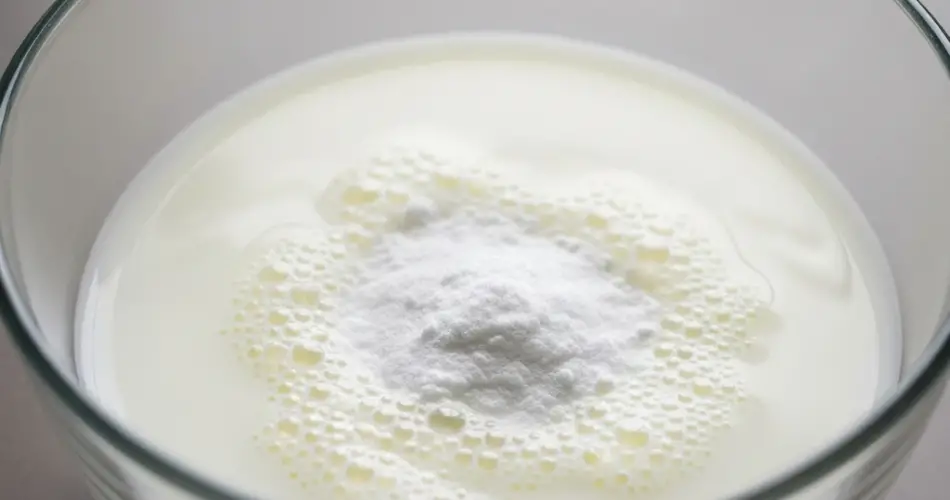
While chemical fungicides are widely available, many gardeners prefer using safe, natural, and eco-friendly alternatives. One powerful home remedy that’s gaining popularity combines two simple ingredients you probably already have in your kitchen: milk and baking soda.
This natural fungicide is effective, non-toxic, and easy to make—making it perfect for use in home gardens, greenhouses, and indoor spaces.
Why Use Milk and Baking Soda?
Both milk and baking soda have antifungal properties that help prevent and control the spread of plant fungal infections:
-
Milk contains proteins and natural enzymes that create an environment unfavorable for fungi. When exposed to sunlight, these proteins produce free radicals that can kill fungal spores on plant leaves.
-
Baking soda (sodium bicarbonate) is alkaline. When sprayed on plant leaves, it changes the pH on the surface, creating an inhospitable environment for fungal growth.
Together, these ingredients form a gentle but effective solution for fighting off common fungal diseases without harming the plant or the environment.
Signs Your Plant Has a Fungal Infection
Before applying any treatment, it’s important to recognize the symptoms of fungal diseases:
-
White, powdery coating on leaves (powdery mildew)
-
Yellowing or browning spots on leaves
-
Leaf curl or distortion
-
Black or brown patches
-
Mold or mildew appearing on the soil surface
-
Sudden wilting despite proper watering
If you notice any of these signs, it’s time to act quickly to prevent further spread.
DIY Milk and Baking Soda Fungicide Recipe
Here’s how to prepare and apply this natural fungicide at home.
Ingredients:
-
1 cup of milk (preferably whole milk, but any type will work)
-
1 tablespoon of baking soda
-
1 liter (4 cups) of water
-
A few drops of mild liquid soap (optional, to help the solution stick to leaves)
Instructions:
-
In a clean container or spray bottle, combine 1 cup of milk with 1 liter of water.
-
Add 1 tablespoon of baking soda and stir well until it dissolves completely.
-
Optionally, add a few drops of liquid soap and mix thoroughly. This helps the solution adhere better to leaves.
-
Pour the mixture into a spray bottle.
How to Apply
-
Choose the right time: Apply the solution in the early morning or late afternoon, when the sun is not too strong. Avoid spraying under intense sunlight to prevent leaf burn.
-
Spray the affected areas: Spray directly onto the leaves, stems, and undersides of the leaves where fungi may hide. Also treat nearby healthy plants to prevent the spread.
-
Repeat regularly: Apply once every 5–7 days until the fungal symptoms disappear. For preventive care, use the solution every two weeks during humid or rainy seasons when fungi are most active.
-
Shake before use: Always shake the bottle before spraying, as baking soda may settle at the bottom.
Tips for Best Results
-
Remove heavily infected leaves before treatment to stop the infection from spreading.
-
Avoid overwatering and ensure good airflow around your plants. Most fungi thrive in damp, poorly ventilated environments.
-
Do not oversaturate the leaves; a light, even mist is enough.
-
Use the solution only as needed, as excessive spraying can disrupt beneficial microbes on the plant surface.
Safe for Edible Plants
One of the greatest advantages of using milk and baking soda is that the mixture is safe for vegetable gardens and fruit-bearing plants. Unlike chemical fungicides, this natural solution doesn’t leave harmful residues and can be used right up until harvest time. Just make sure to rinse produce before eating, as you normally would.
Works for Indoor and Outdoor Gardens
Whether you’re treating roses in your backyard or herbs on your kitchen windowsill, this DIY fungicide is versatile and effective in both indoor and outdoor environments. It’s particularly useful for organic gardening and sustainable plant care practices.
Final Thoughts
Fungal diseases can be discouraging, but they don’t have to mean the end of your plant’s health. By combining simple household ingredients like milk and baking soda, you can create a powerful, natural fungicide that helps eliminate infections and prevent future outbreaks.
This homemade spray is a cost-effective, eco-friendly solution that works wonders when used consistently and responsibly. Keep a bottle ready during the growing season, and you’ll be prepared to protect your plants the natural way—without relying on harsh chemicals.


