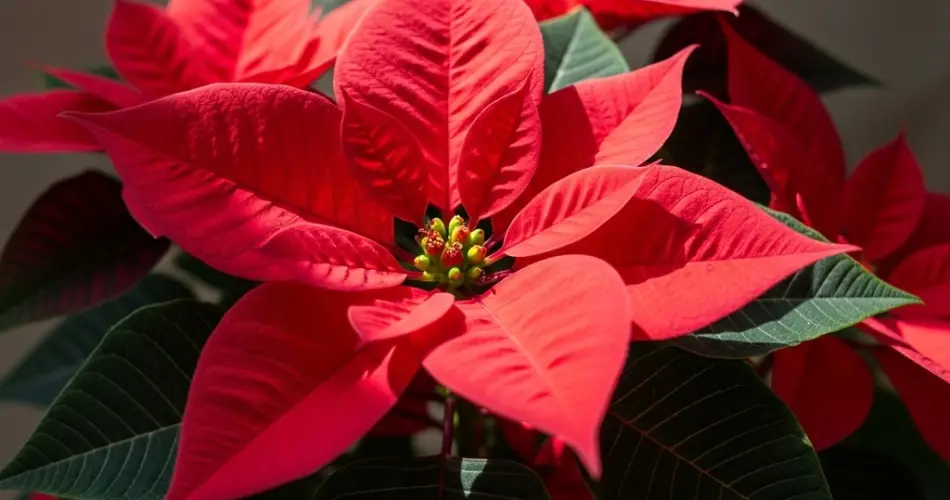
The poinsettia (Euphorbia pulcherrima) is one of the most iconic plants of the holiday season, instantly recognizable by its bright red, white, or pink bracts. However, once January ends and the festive atmosphere fades, many people are unsure how to care for their poinsettia. Some even assume it’s meant to be discarded after the holidays.
But with the right February care, your poinsettia can thrive for months—or even years—and rebloom beautifully. Proper maintenance and pruning during this critical period are the keys to keeping it vibrant and healthy well beyond the winter.
Here’s how to care for your poinsettia in February so it won’t wither or become leggy—and so you can enjoy its beauty again next Christmas.
Understanding the Poinsettia’s Life Cycle
Poinsettias aren’t just seasonal plants—they are perennials in their native environment. In warm climates, they grow into large shrubs. Indoors, with the right care, they can live for several years and rebloom each winter.
After the holiday display period, poinsettias enter a resting phase. This period typically begins in late January or February. During this time, their colorful bracts may fade or drop, and growth will slow. Don’t worry—this is normal.
Step 1: Evaluate the Plant’s Health
Start by inspecting your poinsettia. A healthy plant will have firm stems and leaves, even if some bracts have faded. If your plant is wilted, yellowing, or losing leaves rapidly, it may be suffering from overwatering, temperature shock, or lack of light.
Make sure the poinsettia is in a well-lit spot, away from cold drafts and heat sources. Ideal temperatures range from 18–22°C (65–72°F).
Step 2: Reduce Watering
In February, your poinsettia’s water needs decrease. Overwatering is one of the most common causes of poinsettia decline after the holidays.
-
Water only when the top inch of soil is dry. Insert your finger into the soil to check.
-
Avoid letting the pot sit in water. Empty saucers after watering to prevent root rot.
-
If the plant has a foil cover from a gift pot, remove or puncture it to allow proper drainage.
Step 3: Begin Light Pruning
As the plant enters its rest period, you can begin gentle pruning to encourage new growth.
-
Use clean, sharp scissors or pruning shears.
-
Cut back the stems to about 10–15 cm (4–6 inches) tall.
-
Leave 2–3 nodes (leaf junctions) on each stem, as these will later sprout new growth.
This early pruning step helps control the plant’s size and prevents it from becoming leggy. It also encourages a fuller shape later in the year.
Step 4: Provide Moderate Light and Air Circulation
Even in rest mode, poinsettias need light—just not as much as during active growth.
-
Place your plant in a bright spot with indirect light.
-
Avoid full sun, which can dry out the plant quickly in February’s dry indoor air.
-
Ensure good air circulation around the plant to prevent mold or fungal problems.
Step 5: Pause Fertilizing
Your poinsettia doesn’t need fertilizer in February. Its nutrient needs are minimal during the resting phase.
Resume fertilizing in spring, around late March or early April, when you notice new growth. Use a balanced, water-soluble fertilizer every 2–3 weeks once the plant becomes active again.
Step 6: Monitor and Remove Dead Leaves
Throughout February, continue to remove dry or yellowing leaves. This helps the plant conserve energy and reduces the chance of pests or mold.
If you notice white powdery mildew or any insect activity (like whiteflies), isolate the plant and treat with a gentle insecticidal soap or neem oil solution.
What to Expect in March and Beyond
If you’ve followed these February care steps, your poinsettia will soon begin showing signs of renewal. New green shoots will emerge from the pruned stems in early spring.
From March to October, focus on nurturing this new growth. Regular watering, feeding, and pruning during this time will prepare your plant for reflowering in December.
To encourage blooming for the next holiday season, you’ll need to give the plant a special light-dark cycle starting in October (about 14 hours of darkness daily). But February’s care is the foundation that sets everything in motion.
Final Thoughts
Poinsettias are far more than temporary decorations. With just a little care and attention in February, you can transform your holiday plant into a long-living beauty that rewards you year after year. Light pruning, reduced watering, and a gentle environment are all it takes to keep your poinsettia from wilting or dying.
Give your poinsettia this mid-winter TLC, and you’ll be amazed at how well it bounces back, rewarding you with lush green growth—and eventually those iconic colorful bracts—again and again.


