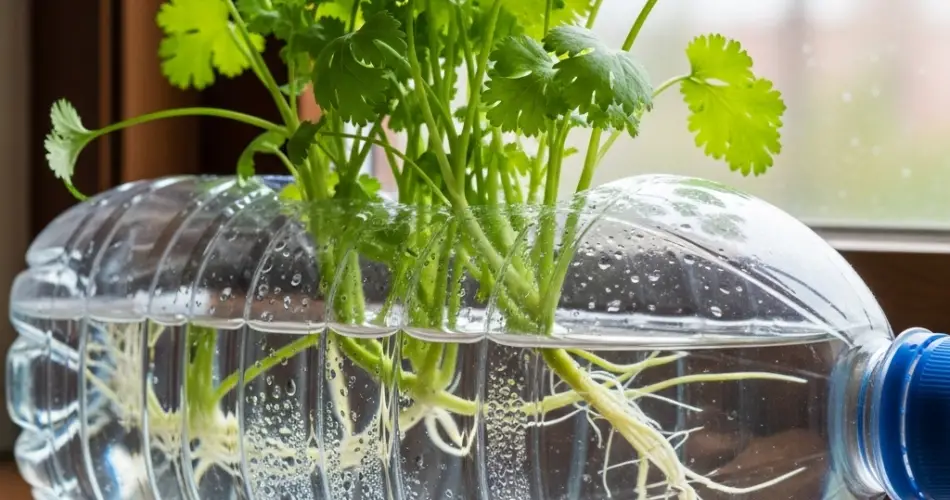
Cilantro is a fragrant, fast-growing herb commonly used in cooking for its fresh, citrusy flavor. While buying cilantro from stores is convenient, propagating it at home ensures a continuous supply while saving money. One simple, sustainable method for multiplying cilantro is using plastic bottles. This approach is ideal for small-space gardeners, balcony growers, or anyone interested in eco-friendly gardening practices.
Plastic bottle propagation creates a controlled environment that encourages strong root development and healthy growth. By reusing common household bottles, gardeners can create mini greenhouses that maintain humidity and moisture, perfect for young cilantro plants.
Why Plastic Bottles Work for Cilantro
Using plastic bottles as propagation containers has several advantages:
-
Space-efficient: Bottles can be placed on windowsills, balconies, or shelves, making them ideal for urban gardening.
-
Moisture retention: The enclosed space retains water and humidity, helping cilantro cuttings and seeds develop strong roots.
-
Reduced pests: Elevated bottles minimize exposure to soil-borne pests like slugs or snails.
-
Recycling-friendly: Repurposing plastic bottles reduces waste and promotes sustainable gardening practices.
These benefits make bottle propagation a practical and environmentally conscious method for multiplying cilantro naturally.
Materials Needed
To propagate cilantro using plastic bottles, gather the following:
-
Fresh cilantro stems or seeds
-
Clean plastic bottles (1–2 liters work best)
-
Scissors or a sharp knife
-
Potting soil or a mixture of sand and perlite
-
Water
-
Optional: small pebbles for drainage
Using clean materials and tools reduces the risk of disease and supports healthy plant growth.
Choosing and Preparing Cilantro Cuttings
Cilantro can be propagated from seeds or stem cuttings. For cuttings:
-
Select healthy stems: Choose young, vigorous stems without flowers.
-
Length: Cut stems 3–5 inches long.
-
Leaf removal: Strip lower leaves from the bottom 2 inches to prevent rotting and provide space for root formation.
Proper selection ensures faster rooting and a higher success rate.
Preparing the Plastic Bottle
Plastic bottles must be prepared to create a suitable mini greenhouse:
-
Cut the bottle: Slice a bottle horizontally to create an open top, or remove the bottom and invert the top as a protective cover.
-
Drainage: Place a small layer of gravel or pebbles at the bottom to improve drainage if using soil.
-
Add soil or medium: Use well-draining potting mix or a sand-perlite combination to provide aeration.
-
Moisture: Lightly water the medium to dampen it without waterlogging.
This setup retains humidity while allowing air circulation, both essential for root development.
Planting Cilantro in Bottles
Planting properly ensures successful propagation:
-
Insert stems or seeds: Place each stem 1–2 inches into the medium, or sprinkle seeds evenly on the surface and cover lightly with soil.
-
Stabilize cuttings: Firm soil gently around cuttings to keep them upright.
-
Humidity cover: Use the top portion of the bottle to maintain humidity. Remove it briefly once a day to allow airflow and prevent mold.
Correct planting depth and positioning help cilantro establish strong roots and thrive.
Caring for Bottle-Grown Cilantro
Maintaining the right environment is key to healthy growth:
-
Light: Place bottles in bright, indirect sunlight. Avoid intense direct sun that may overheat the bottle.
-
Temperature: Cilantro grows best in moderate temperatures, ideally 60–75°F (16–24°C).
-
Watering: Keep the soil consistently moist, misting if necessary. Avoid waterlogging to prevent root rot.
With proper care, cilantro cuttings or seeds typically develop roots within 2–4 weeks.
Transplanting Rooted Cilantro
Once roots are established, transfer cilantro to permanent containers or garden beds:
-
Check roots: Ensure a healthy root system before transplanting.
-
Prepare pots: Use well-draining soil in containers with adequate drainage.
-
Plant carefully: Place rooted cuttings or seedlings in soil and water lightly.
-
Acclimate gradually: If moving outdoors, gradually introduce plants to direct sunlight.
Proper transplanting ensures strong, productive cilantro plants for continuous harvests.
Common Challenges
-
Overwatering: Excess water can lead to root rot; keep soil damp, not saturated.
-
Mold or fungus: Poor airflow inside bottles may cause fungal growth; remove covers daily for ventilation.
-
Weak cuttings: Use healthy, non-flowering stems for better rooting success.
Monitoring and adjusting care can prevent common issues and promote thriving plants.
Final Thoughts
Multiplying cilantro naturally using plastic bottles is a simple, sustainable, and space-saving method for home gardeners. By selecting healthy cuttings or seeds, preparing a suitable bottle environment, and providing consistent care, gardeners can enjoy a continuous supply of fresh, aromatic cilantro.
This method combines practicality with eco-conscious gardening, transforming everyday plastic bottles into productive growing tools. With patience and proper attention, bottle-grown cilantro can flourish indoors or outdoors, providing flavorful leaves for cooking, garnishes, and herbal infusions throughout the year.


