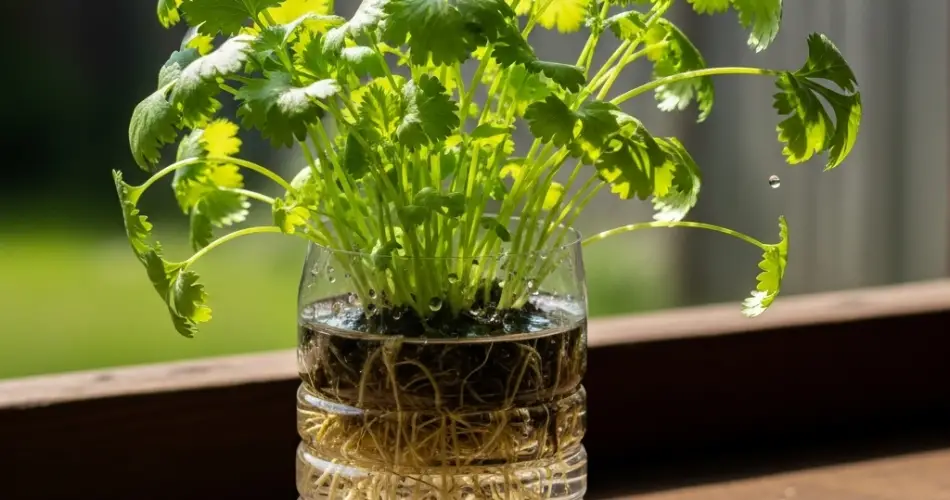
Cilantro, also known as coriander, is a fragrant herb widely used in cooking for its fresh, citrusy flavor. Rich in vitamins, antioxidants, and minerals, cilantro is a staple in many cuisines around the world. Growing cilantro at home ensures a continuous supply of fresh leaves for salads, salsas, soups, and garnishes. For gardeners with limited space or those looking for an eco-friendly method, propagating cilantro in water bottles is an effective, fast, and sustainable solution. This method allows you to root cilantro cuttings efficiently while reusing simple household items.
Why Propagate Cilantro in Water
Propagating cilantro in water offers several advantages:
-
Quick Rooting: Cilantro cuttings establish roots faster in water than in soil.
-
Space-Saving: Ideal for small apartments, balconies, or kitchen counters.
-
Sustainability: Using recycled water bottles reduces plastic waste.
-
Ease of Observation: Transparent bottles allow you to monitor root development and water quality.
Water propagation is particularly suitable for urban gardeners who want fresh herbs at their fingertips without investing in large pots or garden beds.
Selecting and Preparing Cilantro Cuttings
Start by choosing healthy cilantro stems from an existing plant or a fresh bunch from the market. Opt for stems that are firm, green, and free from disease or yellowing. Each cutting should be about 3–5 inches long and include several leaves.
Remove the lower leaves from the stem, leaving only a few sets of leaves at the top. This prevents rotting in water and encourages root formation from the nodes. For faster rooting, consider using a clean, sharp knife or scissors to make a fresh cut at the base of each stem.
Preparing Water Bottles for Propagation
Select a clear plastic bottle, preferably 500 ml to 1 liter, as transparency allows you to observe root growth. Follow these steps to prepare the bottle:
-
Cut the bottle horizontally in half or create a slit to insert the cilantro cuttings.
-
Fill the bottom portion with clean, room-temperature water.
-
Ensure that the base of the cuttings is submerged while the leaves remain above water to prevent decay.
Recycled water bottles provide a convenient and controlled environment for cilantro to root while reusing household plastic in a sustainable way.
Rooting Cilantro in Water
Place the prepared cilantro cuttings into the water-filled bottle. Position the bottle in a location with bright, indirect sunlight to encourage growth without overheating the stems. Avoid direct afternoon sun, which can stress the plants.
Change the water every 2–3 days to prevent stagnation and bacterial growth. Within 7–14 days, you should notice small white roots forming from the nodes. Once roots reach about 2 inches in length, the cilantro cuttings are ready to be transplanted into soil or a larger container.
Transplanting to Soil
While cilantro can continue growing in water, transferring the rooted cuttings to soil encourages stronger growth and prolonged productivity. Follow these steps:
-
Prepare a small pot with well-draining potting soil or a mix of compost and sand.
-
Make a hole in the soil and gently insert the rooted cutting, covering the roots without burying the leaves.
-
Water lightly to settle the soil and maintain consistent moisture.
-
Place the pot in a bright location with 4–6 hours of sunlight daily.
Transplanted cilantro continues to grow rapidly, producing fresh leaves for harvesting within a few weeks.
Caring for Rooted Cilantro
Proper care ensures healthy, long-lasting plants:
-
Watering: Keep the soil consistently moist, but avoid waterlogging.
-
Sunlight: Cilantro prefers bright, indirect sunlight or partial sun in hot climates.
-
Temperature: Ideal growing temperatures are 60–75°F (15–24°C).
-
Fertilization: Use a diluted, balanced fertilizer every 2–3 weeks to encourage leaf growth.
Regularly harvest outer leaves to stimulate continuous growth and prevent the plant from bolting too quickly.
Benefits of Water Bottle Cilantro Propagation
-
Fast and efficient rooting
-
Space-saving and suitable for urban gardening
-
Reduces plastic waste by repurposing bottles
-
Easy monitoring of root development
-
Provides a continuous supply of fresh, flavorful cilantro
Final Thoughts
Propagating cilantro in water bottles is a simple, sustainable, and effective method for home gardeners. By selecting healthy cuttings, providing clean water, and monitoring growth, you can quickly establish new cilantro plants while reusing plastic bottles. This approach is perfect for kitchen gardens, small apartments, or eco-conscious gardeners who want fresh herbs year-round. With proper care and timely transplantation to soil, water-propagated cilantro can produce abundant, flavorful leaves for your meals, enhancing both your cooking and your home garden.


