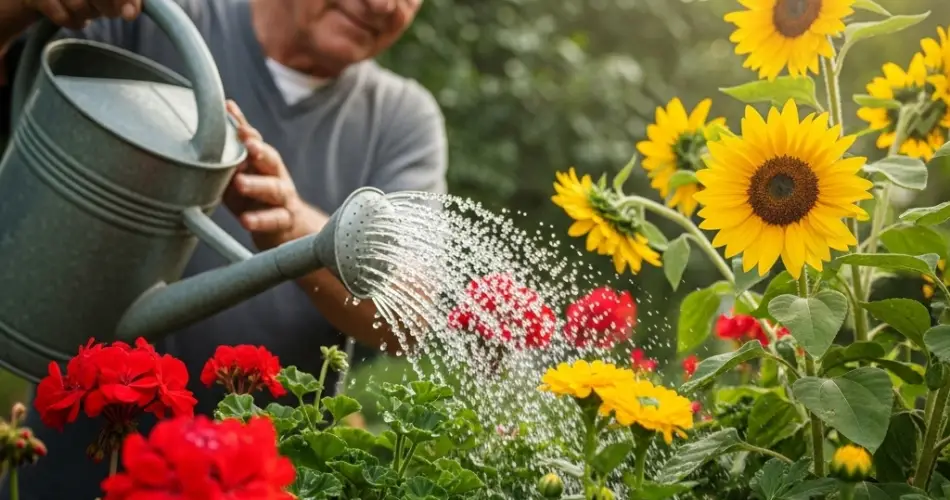
Watering is one of the most important tasks in gardening, but knowing when to water your plants can make just as much of a difference as how much water you use. Timing affects water absorption, disease risk, and overall plant health. The common debate among gardeners is whether it’s better to water in the morning or evening. Both times have their benefits, but understanding the science behind each option can help you choose the best routine for your garden.
Here’s a breakdown of morning versus evening watering to help you decide which approach is best for your plants.
The Benefits of Morning Watering
Watering plants in the early morning—ideally between 5:00 a.m. and 9:00 a.m.—is widely considered the best time to water your garden. Here’s why:
1. Reduces Risk of Fungal Diseases
Water that sits on leaves overnight can lead to fungal diseases like powdery mildew or root rot. Morning watering gives plants the entire day to dry off, reducing excess moisture and discouraging fungal growth.
2. Better Absorption
In the morning, temperatures are cooler, and winds are typically calmer. This allows water to soak into the soil more effectively without evaporating too quickly. Plants can absorb the moisture they need before the sun gets too intense.
3. Prepares Plants for Heat
Watering early helps plants store moisture before they face the heat of the day. Well-hydrated plants are more resilient to heat stress and sun damage.
4. Less Competition from Weeds
Morning watering supports the healthy growth of your desired plants while discouraging weed growth. Drier conditions later in the day can make it harder for weeds to establish themselves.
When Evening Watering Can Be Helpful
Although morning is generally preferred, watering in the evening can be a practical solution in certain situations—especially if you can’t manage early-morning gardening due to a busy schedule.
1. Less Water Loss to Evaporation
Like in the morning, the cooler temperatures in the evening reduce evaporation. This allows water to stay in the soil longer, which can be beneficial in dry climates or during droughts.
2. Convenience
For many gardeners, evening is a more realistic time to water. After work or dinner, it’s easier to dedicate time to the garden without rushing.
3. Can Help Cool Down Plants
If plants appear wilted or stressed after a hot day, a light watering in the evening can help rehydrate them. However, care must be taken not to overwater or leave foliage wet overnight.
Risks of Evening Watering
Despite its advantages, watering in the evening does come with some drawbacks:
-
Moisture Lingers Overnight: Damp leaves and wet soil throughout the night can create ideal conditions for fungal diseases.
-
Cool Soil Slows Absorption: Cooler night temperatures can cause water to sit in the soil longer than necessary, potentially leading to root rot.
-
Attracts Pests: Prolonged dampness may attract slugs, snails, and other pests that thrive in wet conditions.
If you do choose to water in the evening, do so early—preferably before sunset—so leaves have time to dry before nightfall.
What About Midday Watering?
Watering in the middle of the day, when the sun is at its peak, is generally not recommended. Much of the water will evaporate before it reaches the roots, making it inefficient. However, if your plants are wilting or extremely stressed, a light watering can be a lifesaver. Just focus the water on the soil at the base of the plant rather than the leaves.
Best Watering Practices Regardless of Time
No matter when you water, a few practices will ensure your efforts are effective:
-
Water deeply, not just the surface. Encourage deep root growth by soaking the soil thoroughly. Shallow watering leads to shallow roots and weaker plants.
-
Use mulch. Applying mulch helps retain soil moisture and regulate soil temperature.
-
Avoid wetting the foliage. Direct the water to the base of the plant to reduce the risk of disease.
-
Check the soil. Before watering, insert your finger into the soil. If it’s moist a couple of inches down, you can wait. Overwatering can be just as harmful as underwatering.
Which Time is Best for You?
The ideal watering time depends on your climate, your schedule, and the specific needs of your plants. In hot, dry regions, morning watering is almost always better. In cooler areas with high humidity, sticking to early morning will help prevent moisture-related diseases.
Evening watering, when done carefully, can still support plant health—especially if morning watering isn’t feasible. Just be sure to avoid getting leaves wet and aim to water early enough so the plant has time to dry.
Final Thoughts
Watering your garden at the right time can greatly impact plant growth, productivity, and disease prevention. Morning is typically the best choice, offering optimal absorption and reducing risks of fungal infection. However, with the right technique and timing, evening watering can also be effective. By observing your plants, monitoring soil moisture, and sticking to consistent watering practices, you’ll create a thriving, healthy garden—no matter the time of day.


