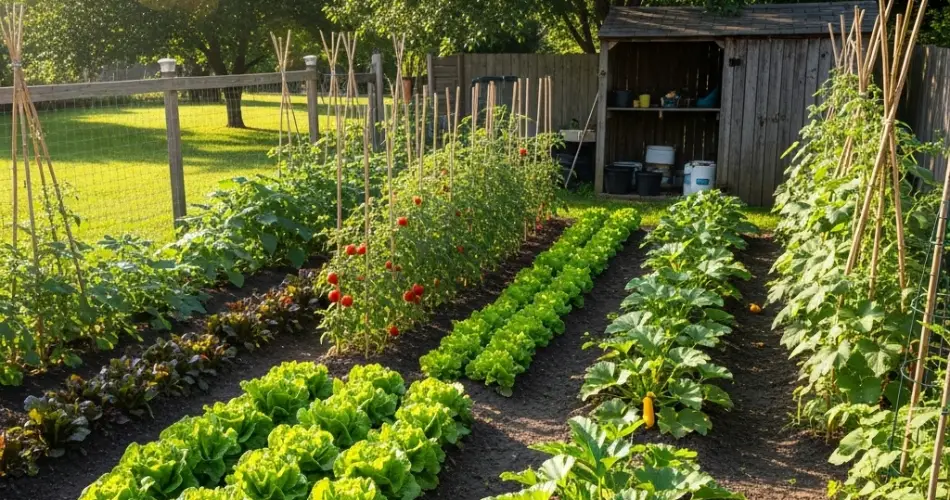
Backyard gardening offers more than just the satisfaction of growing your own food—it can provide a continuous supply of fresh produce throughout the year. With smart planning and the right techniques, even a small garden can deliver bountiful harvests season after season. Whether you’re a beginner or an experienced grower, applying a few key strategies can help you extend your growing season and keep your garden productive every month of the year.
Here are practical, effective tips to help you achieve year-round harvests from your backyard garden.
1. Plan Your Garden by Season
Success in year-round gardening starts with understanding your local climate and aligning your planting schedule with the seasons. Divide the year into four growing phases: spring, summer, fall, and winter (or dry and wet seasons in tropical areas).
Spring and Summer: Focus on fast-growing, heat-loving vegetables such as tomatoes, cucumbers, squash, beans, and peppers. These thrive in longer daylight and warmer temperatures.
Fall and Winter: Shift to cool-weather crops like carrots, kale, spinach, beets, cabbage, and lettuce. Many of these tolerate frost and even improve in flavor with cold exposure.
Use a planting calendar specific to your hardiness zone to guide your sowing times. Succession planting—sowing new crops every few weeks—can help you fill gaps and maintain a steady harvest.
2. Build Healthy, Productive Soil
Soil is the foundation of a thriving year-round garden. Rich, well-draining, and nutrient-dense soil supports strong plant growth and resilience against pests and disease.
Soil-building tips:
-
Add compost regularly to improve structure and feed beneficial microbes.
-
Rotate crops each season to prevent nutrient depletion and soil-borne diseases.
-
Use natural amendments like worm castings, wood ash, or bone meal to supplement specific nutrients.
Mulching is essential for year-round gardening. It conserves moisture in hot months and insulates soil in cold ones, reducing temperature fluctuations that stress plants.
3. Grow a Variety of Crops
Diversity is key to a productive garden. Growing a range of crops ensures something is always ready for harvest, and it reduces the risk of total loss from pests or disease.
Include a mix of:
-
Leafy greens (lettuce, spinach, arugula)
-
Root vegetables (carrots, radishes, turnips)
-
Fruit-bearing plants (tomatoes, cucumbers, peppers)
-
Perennials (herbs, berries, rhubarb)
Interplanting—growing different crops in the same bed—can also maximize space and create natural pest deterrents. For example, basil planted near tomatoes can enhance growth and repel insects.
4. Use Raised Beds or Containers
Raised beds and containers allow better control over soil quality and drainage, and they warm up earlier in spring. This makes it easier to start planting sooner and grow later into the colder months.
Advantages of raised beds:
-
Extended growing season
-
Improved soil drainage
-
Easier weed and pest control
-
Accessibility for frequent harvesting
Containers are ideal for small spaces or to grow herbs, salad greens, or compact vegetable varieties on patios and balconies.
5. Provide Shade and Shelter
Protect your garden from extreme weather with thoughtful placement and simple structures.
In summer: Use shade cloth or trellises to shield plants from intense sun and heat.
In winter: Use cold frames, cloches, or plastic tunnels to retain warmth and protect tender crops from frost. Even a simple row cover can extend your growing season by several weeks.
Windbreaks like hedges or fencing can also help stabilize the microclimate in your backyard, creating a more consistent environment for growth.
6. Keep Planting All Year
Don’t wait for spring to start gardening. With proper timing and techniques, you can grow something in almost every month.
Ideas for year-round sowing:
-
Start seeds indoors in late winter to transplant as soon as weather allows.
-
Sow quick-growing greens every few weeks for a continuous supply.
-
Grow cold-hardy vegetables in fall for winter harvests.
-
Use indoor growing lights during short days to support tender seedlings or herbs.
Rotate fast and slow growers to maintain bed productivity and avoid empty garden spaces.
7. Water Wisely
Efficient watering is vital for maintaining a healthy garden across all seasons.
Best practices:
-
Water early in the morning to reduce evaporation and fungal risk.
-
Use drip irrigation or soaker hoses for targeted watering.
-
Adjust watering frequency based on season—less in cool months, more in heat.
Mulch heavily around plants to retain moisture in summer and reduce watering needs.
8. Harvest Regularly
Frequent harvesting encourages more growth, especially for crops like beans, zucchini, lettuce, and herbs. Pick produce at its peak for best flavor and texture, and to make space for new growth.
Stagger planting times and grow crops with different maturity dates so something is always ready to pick.
Final Thoughts
With careful planning, smart crop selection, and consistent care, your backyard garden can be productive all year long. From frost-tolerant greens in winter to juicy tomatoes in summer, a year-round harvest is achievable even in modest spaces. By working with the seasons, improving your soil, and protecting your plants from the elements, you’ll enjoy the satisfaction of fresh, homegrown food every month of the year.


