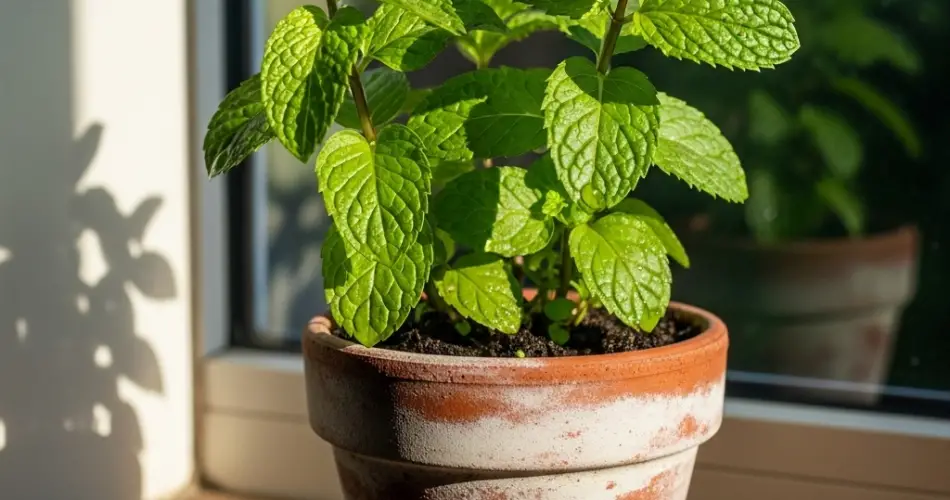
Mint is one of the most refreshing and versatile herbs you can grow at home. From flavoring drinks and desserts to adding zest to savory dishes, mint brings both fragrance and taste to the kitchen. However, anyone who has planted mint directly in the ground knows how quickly it can spread. Left unchecked, mint’s aggressive root system takes over garden beds, crowding out other plants.
For this reason, growing mint in pots is the best way to enjoy its benefits without worrying about it becoming invasive. Container growing not only keeps mint under control but also makes it easier to manage soil quality, watering, and placement. With the right techniques, you can keep mint thriving in pots all year round.
Choosing the Right Pot
Because mint spreads through underground runners, it needs space while also being kept contained. A pot at least 10–12 inches wide and 8–10 inches deep is ideal for growing healthy mint. Wider containers are preferable to deeper ones since mint roots like to spread outward.
Ensure the pot has proper drainage holes. While mint enjoys moisture, it does not tolerate waterlogged soil. Clay or ceramic pots are good options, as they help regulate moisture levels, but plastic containers can also work if drainage is sufficient. For gardeners who want to grow multiple varieties of mint, consider planting each type in its own pot to prevent flavors from mingling.
The Best Soil for Potted Mint
Mint grows best in rich, loamy soil that retains moisture but drains well. A high-quality potting mix with added compost is ideal. To prevent compacted soil, incorporate perlite or vermiculite for aeration. This ensures that water doesn’t stagnate around the roots while still keeping the soil moist enough to suit mint’s needs.
Mint prefers slightly acidic to neutral soil with a pH range of 6.0 to 7.0. You can test your potting mix with a simple soil kit if you want precise results, but in most cases, a good-quality herb-friendly mix will work fine.
Planting Mint in Pots
You can start mint from seeds, cuttings, or nursery plants. While seeds are an option, they take longer and may not produce consistent results. Cuttings and nursery starts are faster and more reliable.
When planting, fill the pot with your prepared soil, leaving an inch of space at the top. Place the mint cutting or young plant in the center, gently covering the roots with soil. Water thoroughly after planting to help the roots establish. If you are planting more than one mint in the same container, give each plant at least 6 inches of space.
Sunlight and Placement
Mint thrives in partial to full sun. Ideally, your potted mint should receive 4–6 hours of direct sunlight daily. In very hot climates, mint benefits from afternoon shade to prevent leaf scorching.
Indoors, a sunny windowsill works well. If natural light is limited, a grow light can help keep mint healthy. Outdoors, place pots on patios, balconies, or near the kitchen for easy access when cooking. Since mint is a hardy plant, it adapts well to many locations as long as it has adequate light and consistent care.
Watering Mint the Right Way
Mint loves moisture and grows best when the soil is kept evenly damp. However, overwatering can lead to root rot, so balance is important. Check the soil regularly—if the top inch feels dry, it’s time to water.
During hot summer months, mint may need watering once a day, while in cooler or more humid conditions, every two to three days may be enough. Always water at the base of the plant, avoiding the leaves to reduce the risk of fungal issues.
Pruning and Harvesting
Pruning is essential for keeping mint full and productive. Without regular cutting, mint can become leggy and less flavorful. Begin harvesting once the plant reaches about 6 inches in height. Snip leaves or stems just above a pair of leaves to encourage branching and bushier growth.
Regular harvesting not only provides you with fresh herbs but also keeps the plant vigorous. Avoid letting the plant flower, as flowering reduces leaf production and flavor intensity. Pinch off flower buds as soon as they appear to maintain strong leaf growth.
Fertilizing Mint in Pots
Mint does not need heavy feeding but will benefit from occasional fertilization. Use a balanced liquid fertilizer every 4–6 weeks during the growing season. Organic options such as fish emulsion or compost tea work well for mint and help enhance its flavor. Be careful not to over-fertilize, as too much can result in overly lush leaves with diluted taste.
Common Problems and Solutions
Even in pots, mint can sometimes face issues. Yellowing leaves often indicate overwatering or poor drainage, while drooping leaves usually mean the plant is too dry. Adjust watering accordingly.
Mint can also attract pests like aphids or spider mites. Check leaves regularly and rinse them with water or use organic insecticidal soap if necessary. Keeping the plant healthy through proper watering and pruning reduces the risk of infestations.
Enjoying Mint from Pot to Plate
Growing mint in pots allows you to keep this vigorous herb contained while still enjoying a steady supply of fragrant leaves. Whether you use it to flavor teas, garnish desserts, mix into salads, or create refreshing drinks, freshly picked mint enhances every recipe.
By choosing the right container, providing nutrient-rich soil, ensuring proper watering, and pruning regularly, your potted mint will remain healthy, productive, and under control. With just a little care, mint becomes one of the easiest and most rewarding herbs to grow right at home.


