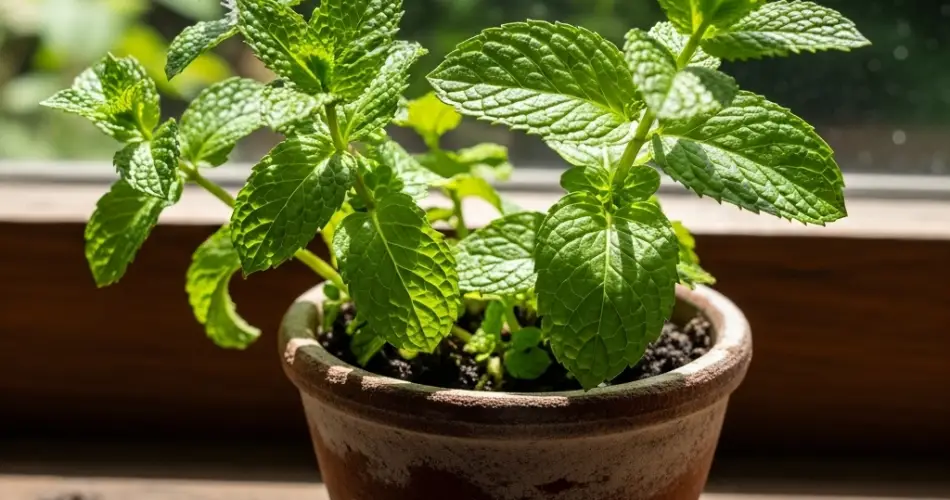
Mint is one of the most refreshing and versatile herbs you can grow at home. It’s easy to propagate, grows quickly, and can be used in teas, desserts, sauces, and even as a natural air freshener. While mint is considered low-maintenance, one of the biggest threats to its health is root rot. This condition occurs when the roots remain in soggy soil for too long, leading to decay and eventually killing the plant. Fortunately, with the right care practices, root rot is entirely preventable.
What Causes Root Rot in Potted Mint?
Root rot typically develops from overwatering or poor drainage. Unlike garden beds where excess water can seep deeper into the ground, potted plants rely entirely on their container’s ability to release water. If the soil stays waterlogged, fungal pathogens thrive, attacking the roots and causing them to turn brown and mushy.
Mint prefers consistently moist soil, but there’s a delicate balance. The topsoil should never be completely dry for long periods, yet it shouldn’t remain soaked either. When this balance is disrupted, root rot quickly sets in.
Choosing the Right Pot
One of the first steps in preventing root rot is selecting an appropriate container. Always use a pot with drainage holes at the bottom. This allows excess water to escape instead of pooling around the roots. For added protection, place a saucer beneath the pot to catch runoff water, but remember to empty it regularly.
The material of the container also matters. Clay pots are breathable and allow excess moisture to evaporate, making them a great choice for herbs like mint. Plastic or ceramic pots can work too, but they hold moisture longer, so you’ll need to be more careful with watering frequency.
The Importance of Well-Draining Soil
Soil plays a crucial role in preventing root rot. Standard garden soil is usually too heavy for container-grown herbs and tends to compact over time, trapping water around the roots. Instead, choose a high-quality potting mix designed for container gardening. These mixes are light, airy, and allow water to pass through quickly.
You can improve drainage further by mixing in perlite, coarse sand, or coconut coir. These amendments create air pockets in the soil, preventing it from becoming compacted and waterlogged. Healthy mint roots thrive in soil that drains well while still holding some moisture.
Watering Mint the Right Way
Mint enjoys moisture, but moderation is key. A common mistake is watering on a fixed schedule rather than checking the soil first. To avoid overwatering, always test the soil by sticking your finger about an inch deep. If it feels dry at that depth, it’s time to water. If it’s still moist, wait another day before watering again.
When you do water, add enough to moisten the soil thoroughly until excess begins to drain from the bottom. This ensures the roots receive adequate hydration without leaving stagnant water behind. Morning watering is ideal because it allows excess moisture to evaporate during the day, reducing the risk of fungal infections.
Pruning and Spacing for Better Airflow
Another way to prevent root rot is to encourage good airflow around your mint plants. Overcrowded pots can trap humidity, creating conditions where fungal diseases thrive. If your mint pot looks overly dense, thin out some stems to allow better circulation.
Regular pruning not only keeps mint bushy and productive but also reduces stress on the roots, helping them remain strong and healthy.
Recognizing the Early Signs of Root Rot
Catching root rot early gives your plant the best chance of recovery. Some warning signs include:
-
Yellowing or wilting leaves, despite moist soil.
-
A foul odor coming from the soil.
-
Roots that appear brown, mushy, or slimy when examined.
If you suspect root rot, carefully remove the plant from its pot and trim away any affected roots with sterilized scissors. Repot the mint in fresh, well-draining soil and a clean container.
Seasonal Considerations
Mint is hardy, but watering needs vary with the seasons. During hot summer months, mint may require frequent watering because the soil dries faster. In cooler weather or indoors during winter, reduce watering to avoid soggy conditions. Adjusting your watering habits seasonally is key to preventing problems.
Final Tips for Healthy Mint
-
Avoid standing water: Never let pots sit in water-filled saucers for long periods.
-
Fertilize lightly: Over-fertilizing can cause excessive growth, making the plant more susceptible to disease. Use a diluted, balanced fertilizer only every few weeks.
-
Repot periodically: Mint grows vigorously, and roots can become crowded. Refreshing the soil and repotting every year helps maintain healthy growth.
Conclusion
Root rot is one of the few serious problems that can affect potted mint, but it’s entirely preventable with proper care. By using the right pot and soil, practicing smart watering habits, and maintaining good airflow, you can enjoy a thriving mint plant free from disease. With these preventive measures, your potted mint will stay healthy, fragrant, and ready to flavor your favorite dishes or refreshing drinks all season long.


