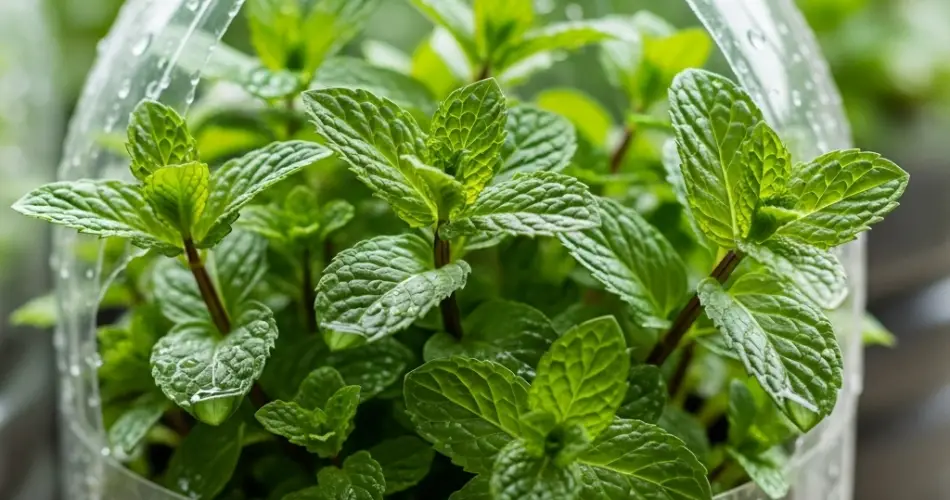
Growing your own mint is one of the easiest and most rewarding ways to enjoy fresh herbs at home. With its crisp, invigorating scent and cooling flavor, mint can be used in teas, desserts, savory dishes, and even homemade remedies. The good news? You don’t need a garden or fancy equipment to grow it. All you need is a plastic bottle, some soil, and a few simple tools to get started.
By reusing plastic bottles as planters, you not only reduce waste but also create an eco-friendly and compact herb garden that fits on any windowsill or balcony. Whether you’re a beginner gardener or a DIY enthusiast, this project is both sustainable and practical.
Why Grow Mint in a Plastic Bottle?
Plastic bottle gardening is a creative and resourceful way to grow herbs like mint. Mint is a fast-growing perennial that adapts well to containers, and using recycled plastic as a planter makes the project accessible to anyone.
Benefits of this method include:
-
Saves space: Ideal for apartments and small balconies
-
Reduces plastic waste: Repurposes used bottles that might otherwise end up in landfills
-
Affordable: No need to purchase expensive pots or gardening kits
-
Portable: Lightweight containers can be moved for optimal sun exposure
-
Low maintenance: Mint thrives with minimal care once established
What You’ll Need
To start growing mint in a plastic bottle, gather these materials:
-
1 clean plastic bottle (1.5 to 2 liters is ideal)
-
Sharp scissors or a craft knife
-
Potting soil (light and well-draining)
-
Mint cuttings or young mint seedlings
-
Small piece of cloth or mesh (optional, for drainage)
-
Watering can or spray bottle
You can also add a small tray or saucer underneath the bottle to catch excess water.
Preparing the Bottle Planter
There are two popular ways to convert a bottle into a planter: vertically or horizontally. For mint, either option works well, but the horizontal method offers more surface area for spreading growth.
Steps to create your bottle planter (horizontal version):
-
Clean and dry the bottle
Rinse the plastic bottle thoroughly and remove any labels or stickers. -
Cut an opening
Using scissors or a knife, cut out a rectangular window along the side of the bottle, leaving the ends intact for structure. This window will be where you plant the mint. -
Add drainage holes
Poke 4–6 small holes in the bottom of the bottle to allow excess water to drain. You can also place a mesh or fabric piece at the bottom to prevent soil from escaping. -
Fill with soil
Add your potting mix, filling the bottle up to the base of the cutout window. Mint prefers soil that stays slightly moist but drains well. -
Plant your mint
Insert mint cuttings or transplant small mint seedlings into the soil. Space them out if you’re planting more than one.
Light and Placement
Mint grows best in bright, indirect sunlight. While it can handle some direct morning light, harsh afternoon sun may cause the leaves to wilt or scorch.
Best placement tips:
-
Set the bottle near an east-facing window or in a lightly shaded balcony.
-
Rotate the planter every few days to encourage even growth.
-
If indoors, placing it under a grow light for 6–8 hours a day will help maintain strong, leafy growth.
Watering and Moisture
Mint loves moisture, but soggy roots can cause problems like root rot.
-
Water regularly to keep the soil slightly damp but not waterlogged.
-
Stick your finger into the soil—if the top inch feels dry, it’s time to water.
-
Use a spray bottle or small watering can to avoid flooding the compact container.
-
Mist the leaves occasionally to mimic natural humidity, especially in dry environments.
Fertilizing
Although mint doesn’t need heavy feeding, light fertilization can support robust growth in containers.
-
Use a diluted, balanced liquid fertilizer once every 3–4 weeks during the growing season (spring and summer).
-
Avoid over-fertilizing, which can lead to weak, leggy growth.
Harvesting and Maintenance
Mint grows quickly, especially when pruned often.
Harvesting tips:
-
Begin harvesting once the plant is at least 4–6 inches tall.
-
Pinch off leaves or trim stems just above a pair of leaves to encourage bushy regrowth.
-
Regularly trim any long or leggy stems to keep the plant compact.
-
Remove any yellowing or damaged leaves to maintain plant health.
If you notice the plant becoming root-bound or outgrowing the bottle, simply transfer it to a slightly larger container—or create a second bottle planter to expand your mint collection.
Common Issues and Solutions
-
Yellowing leaves: Often caused by overwatering or poor drainage.
-
Wilting: May indicate under-watering or too much direct sunlight.
-
Pests: Mint is relatively pest-resistant, but you may occasionally see aphids or spider mites. Rinse the plant or use a gentle soap spray to remove them.
Conclusion
Growing mint in recycled plastic bottles is a sustainable and satisfying way to enjoy fresh herbs at home. It’s perfect for anyone looking to reduce waste, save space, and maintain a fragrant, useful plant right in their kitchen or balcony. With just a little sunlight, water, and attention, you’ll have a thriving mint plant ready to flavor your dishes and refresh your space—all from a simple plastic bottle.


