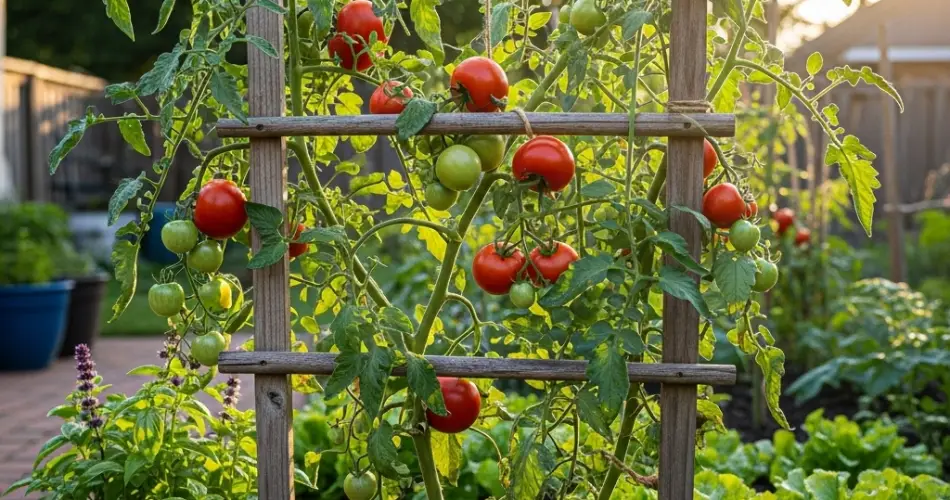
Tomatoes are among the most rewarding crops for home gardeners, but they can also be among the most challenging to support. As vines grow, they become heavy with foliage and fruit, often bending or collapsing without proper reinforcement. Trellises are essential for keeping tomato plants upright, improving air circulation, and ensuring healthier harvests. When choosing a trellis, two popular options stand out: metal and wood. Both materials offer distinct benefits, but which one is best for supporting heavy tomato vines? Let’s explore the strengths and drawbacks of each.
Why Tomatoes Need Strong Trellises
Tomato plants can easily grow to five or six feet in a single season, with some indeterminate varieties stretching even taller. Their fruits, while delicious, add significant weight to the vines. Without sturdy support, plants risk breaking, toppling over, or developing diseases due to poor airflow and contact with the soil. A trellis helps to:
-
Keep vines upright and organized.
-
Expose fruit to sunlight for better ripening.
-
Improve air circulation, reducing the risk of blight and mildew.
-
Make pruning, watering, and harvesting easier.
Given the heavy demands of tomato plants, the choice of trellis material becomes critical.
The Case for Metal Trellises
Strength and Durability
Metal trellises are highly valued for their ability to withstand weight. Whether constructed from galvanized steel, aluminum, or powder-coated iron, these structures offer excellent support for sprawling tomato vines loaded with fruit. They can last for many years without bending, rotting, or breaking.
Low Maintenance
Metal requires little upkeep compared to wood. A powder-coated finish prevents rusting, and most metal trellises need nothing more than an occasional rinse to stay in good shape. This makes them particularly suitable for gardeners who want a long-lasting, low-effort solution.
Sleek and Versatile Designs
Metal trellises come in many shapes, from simple grid patterns to decorative panels. Their slim profiles fit well into compact gardens, raised beds, or containers, making them a great option for urban gardeners with limited space.
Considerations
Metal trellises can be more expensive upfront than wooden ones. In very hot climates, they may also heat up in the sun, which could stress plants if vines rest directly on the metal. However, proper training and spacing typically prevent this from being an issue.
The Case for Wooden Trellises
Natural Aesthetic
Wooden trellises bring warmth and charm to the garden. Their natural look blends seamlessly with plants, creating a rustic, organic atmosphere. For gardeners who prioritize visual appeal, wood often feels more in harmony with a backyard setting.
Customization
Wood is easy to work with, making it a favorite for do-it-yourself gardeners. You can design custom trellises that suit the size of your tomato plants, whether you prefer vertical frames, A-frames, or lattice panels. Adjustments are simple, and replacement parts are inexpensive.
Affordability
In many cases, wooden trellises are more affordable than metal alternatives, especially if you build them yourself. For seasonal gardeners or those experimenting with different trellis systems, wood is a cost-effective choice.
Considerations
Wood, unlike metal, is prone to weather damage. Over time, moisture can lead to rot, warping, or pest infestations. Treated or cedar wood offers more durability, but even the strongest wooden trellises typically have a shorter lifespan than metal ones. They also require occasional maintenance, such as sealing or staining, to withstand outdoor conditions.
Comparing Metal and Wood for Tomato Support
When deciding between metal and wood, it’s important to consider your gardening style, climate, and long-term goals.
-
Weight Support: Metal wins for strength, especially with large indeterminate tomato varieties.
-
Lifespan: Metal trellises often last decades, while wooden trellises may need replacing every few years.
-
Maintenance: Metal requires little attention, while wood benefits from regular treatment.
-
Cost: Wood is generally cheaper upfront, though replacement costs may add up over time.
-
Appearance: Wood offers a natural, rustic charm, while metal provides a sleek, modern look.
Best Practices for Trellising Tomatoes
Regardless of material, the success of a trellis depends on how it’s used. Here are a few tips:
-
Install Early: Place trellises at planting time to avoid disturbing roots later.
-
Prune Regularly: Remove excess foliage to direct energy toward fruit and prevent overcrowding.
-
Tie Gently: Use soft ties or clips to secure vines without damaging stems.
-
Space Plants Properly: Allow adequate room between trellised plants for airflow.
Final Verdict
Both metal and wood trellises can support heavy tomato vines effectively, but they cater to different needs. If you’re looking for strength, longevity, and low maintenance, metal trellises are the superior choice. If you value affordability, DIY customization, and a rustic garden feel, wooden trellises remain a solid option.
Ultimately, the best trellis depends on your priorities. For serious tomato growers who want a long-term investment, metal is hard to beat. For those experimenting, working on a budget, or prioritizing aesthetics, wood may be the way to go. Either way, a strong trellis is the key to healthier plants, easier harvesting, and a more abundant tomato harvest.


