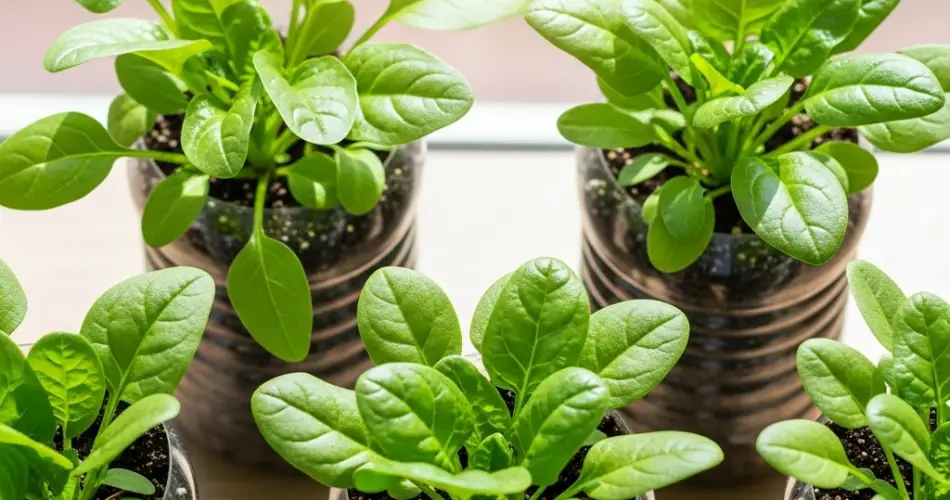
If you’re short on gardening space but still want to grow your own fresh greens, spinach is a perfect crop to start with—especially when planted in plastic bottles. This leafy vegetable grows quickly, tolerates partial shade, and thrives in containers, making it ideal for balconies, patios, and windowsills. Using recycled plastic bottles not only saves space but also supports sustainable gardening practices. Here’s how to successfully grow spinach in bottles and enjoy a steady supply of this nutritious green.
Why Choose Spinach for Bottle Gardening?
Spinach is a fast-growing, shallow-rooted plant that doesn’t require deep soil, making it perfect for plastic bottle planters. It’s rich in iron, vitamins A and C, and other essential nutrients, making it a healthy addition to your daily meals. Growing spinach in bottles allows you to take full advantage of vertical space and bring greenery into small urban environments without the need for traditional garden beds.
What You’ll Need
To get started, gather the following materials:
-
Plastic bottles (1.5L to 2L recommended)
-
Sharp scissors or craft knife
-
Quality potting mix or compost-enriched soil
-
Spinach seeds (choose fast-growing varieties)
-
String or wire (for hanging setups)
-
Watering can or spray bottle
-
Small garden trowel (optional)
Make sure the bottles are clean and free from labels. Clear or lightly tinted bottles work best because they let in light while still allowing you to monitor soil moisture.
Preparing the Bottles
There are two common methods for preparing bottles: horizontal and vertical.
Horizontal Method:
-
Lay the bottle on its side.
-
Cut out a rectangular opening on the top, leaving the sides and bottom intact.
-
Poke several small holes on the underside for drainage.
-
Fill the bottle with potting mix, leaving about an inch of space at the top.
Vertical Hanging Method:
-
Cut off the upper third of the bottle.
-
Puncture holes in the bottom for drainage and near the top edge for hanging.
-
If using a wicking system, place a cloth strip through the cap to draw water from a bottom reservoir.
-
Fill the container with soil and gently firm it down.
Both setups are effective, so choose based on your available space and whether you prefer a tabletop or hanging garden.
Sowing Spinach Seeds
Spinach seeds can be sown directly into the bottle soil. Here’s how:
-
Sow seeds about ½ inch deep and cover lightly with soil.
-
Space seeds about 2 inches apart if growing multiple plants per bottle.
-
Water gently to moisten the soil without washing away the seeds.
-
Place the bottles in a location that gets 4–6 hours of sunlight daily.
Spinach prefers cooler temperatures, so avoid placing bottles in locations that get intense afternoon sun. Germination typically occurs within 5–10 days.
Early Growth and Care
Once seedlings appear, thin them if necessary to prevent overcrowding—aim for about 3–4 inches between each plant for optimal growth. Water regularly, keeping the soil evenly moist but not soggy. Because bottles tend to dry out quickly, especially when hung, monitor them daily.
Feed the plants with diluted liquid fertilizer every 10–14 days. Organic compost tea or fish emulsion works well. If you notice yellowing leaves, it may be a sign that your plants need a nutrient boost.
Managing Pests and Problems
Spinach is generally easy to grow but can be affected by pests like aphids, leaf miners, and snails. Elevating the bottles helps keep many ground pests away, but you should still check the leaves regularly. Use neem oil spray or homemade garlic solutions to deter insects naturally.
Ensure that bottles have good drainage to prevent root rot. If you see water pooling at the bottom or mold developing, adjust the drainage holes or reduce watering frequency.
Harvesting Spinach
You can start harvesting young spinach leaves when they are about 3–4 inches long, usually within 4–6 weeks after planting. Use clean scissors to snip the outer leaves, allowing the inner ones to continue growing. This method, known as “cut-and-come-again,” allows for multiple harvests from the same plant.
If the plant starts to bolt (produce a flower stalk), it’s best to harvest all the leaves immediately, as they tend to turn bitter afterward.
Replanting and Rotation
Once the plant completes its cycle or the weather becomes too warm, remove the old spinach and refresh the soil before planting again. You can rotate with other leafy greens like lettuce, mustard, or arugula to keep your small-scale garden productive year-round.
Growing spinach in plastic bottles is an excellent solution for space-conscious gardeners who want fresh, homegrown produce without a traditional garden. It’s an easy, sustainable, and rewarding way to add nutrient-rich greens to your meals while making good use of recyclable materials. Whether you hang them from your window or line them along your balcony railing, bottle-grown spinach proves that anyone can garden—no backyard needed.


