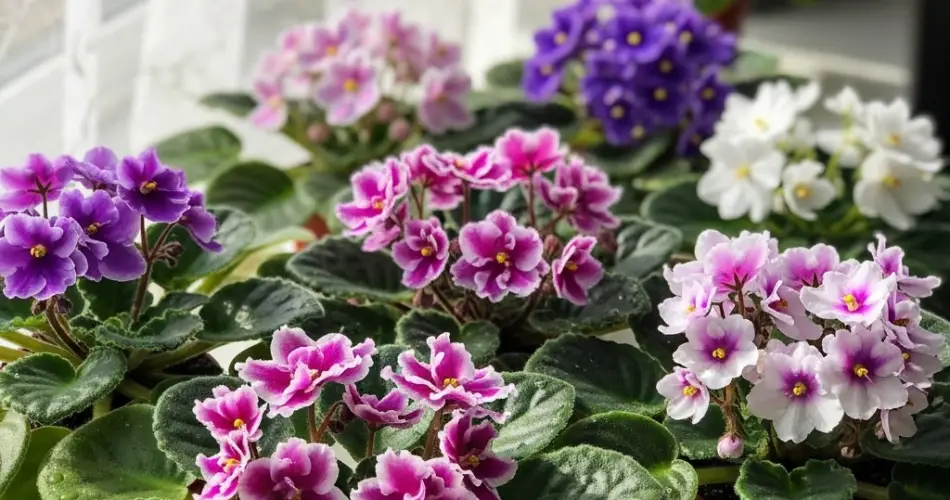
African violets (Saintpaulia) are beloved houseplants known for their velvety leaves and charming, colorful blooms. Though they may appear delicate, these compact beauties are easy to care for with the right balance of water, light, and soil. Mastering these essential care elements will help your African violets thrive and bloom continuously, even indoors. Here’s how to unlock the secrets to vibrant, healthy African violets.
Understanding African Violets
Native to the cloud forests of East Africa, African violets have adapted to low-light environments with high humidity and warm temperatures. They grow close to the forest floor, where they receive filtered sunlight and steady moisture from the organic-rich soil. Mimicking this natural habitat in your home is the key to success.
Watering: The Right Amount at the Right Time
Watering is one of the trickiest parts of caring for African violets, as both underwatering and overwatering can harm the plant. These plants prefer soil that is evenly moist—not soggy and not dry.
Watering Tips:
-
Use room-temperature water. Cold water can shock the roots and cause spotting on leaves.
-
Avoid wetting the leaves. Water that sits on the fuzzy leaves can cause spots or rot. Use a narrow-spouted watering can or try bottom-watering by placing the pot in a saucer of water and allowing the soil to soak it up.
-
Check the soil moisture. Stick your finger about an inch into the soil. If it feels dry at that depth, it’s time to water.
-
Establish a routine. Most African violets need watering once a week, but this depends on humidity, pot size, and temperature.
Consistent watering keeps the plant’s roots healthy and supports continual blooming. Letting the soil dry out completely or stay overly soggy can lead to wilting or root rot.
Lighting: Bright, But Not Direct
African violets need plenty of light to bloom, but direct sunlight can burn their leaves. The goal is to provide bright, indirect light for at least 8 to 12 hours a day.
Lighting Tips:
-
Choose a bright window. East- or north-facing windows are ideal. These provide bright light without intense heat. In south- or west-facing windows, sheer curtains can filter the light.
-
Rotate regularly. Turn the pot slightly each week to ensure even growth and prevent the plant from leaning toward the light.
-
Supplement with grow lights. In areas with limited natural light, full-spectrum LED grow lights work well. Position the lights 12–15 inches above the plant and keep them on for 12–14 hours per day.
Insufficient light is one of the main reasons African violets stop blooming. You’ll notice the leaves stretch upward and blooms slow if lighting is inadequate.
Soil: Light, Airy, and Well-Draining
Standard potting soil is too dense for African violets. Their roots need a loose, well-aerated mix that retains moisture without becoming compacted or soggy.
Ideal Soil Characteristics:
-
Good drainage. Use a mix made for African violets or create your own blend with equal parts peat moss, perlite, and vermiculite.
-
Slightly acidic pH. African violets prefer a soil pH between 6.0 and 6.5.
-
Low in nutrients initially. Too much fertilizer in the soil can damage young roots. Add nutrients gradually through feeding instead.
Re-pot your African violet every 6–12 months, refreshing the soil and trimming any dead roots. This not only provides fresh nutrients but also prevents soil compaction and salt buildup.
Bonus Tips for Healthy Violets
-
Fertilize regularly. Use a balanced African violet fertilizer every 2–4 weeks during the growing season. Choose a formula with more phosphorus (middle number) to promote flowering.
-
Maintain humidity. African violets enjoy 40–60% humidity. Grouping plants together, using a humidity tray, or running a small humidifier nearby can help.
-
Keep temperatures stable. Aim for daytime temperatures between 65–75°F (18–24°C). Avoid drafts and sudden temperature changes.
-
Remove spent flowers. Deadheading faded blooms encourages the plant to produce new ones.
Common Problems and Quick Fixes
-
Leaf spotting or crown rot: Caused by water sitting on leaves or in the crown. Use bottom-watering and avoid splashing.
-
Wilting or mushy roots: Usually from overwatering. Allow soil to dry slightly between waterings and ensure proper drainage.
-
No blooms: Often due to low light or insufficient feeding. Increase light exposure and try a phosphorus-rich fertilizer.
Conclusion
African violets are rewarding plants that can bloom year-round with a little care and attention. Focus on consistent watering, filtered light, and the right soil mix to create a thriving indoor environment. By mimicking their natural habitat and making a few simple adjustments, your African violets will reward you with lush leaves and vibrant blooms time and time again.


