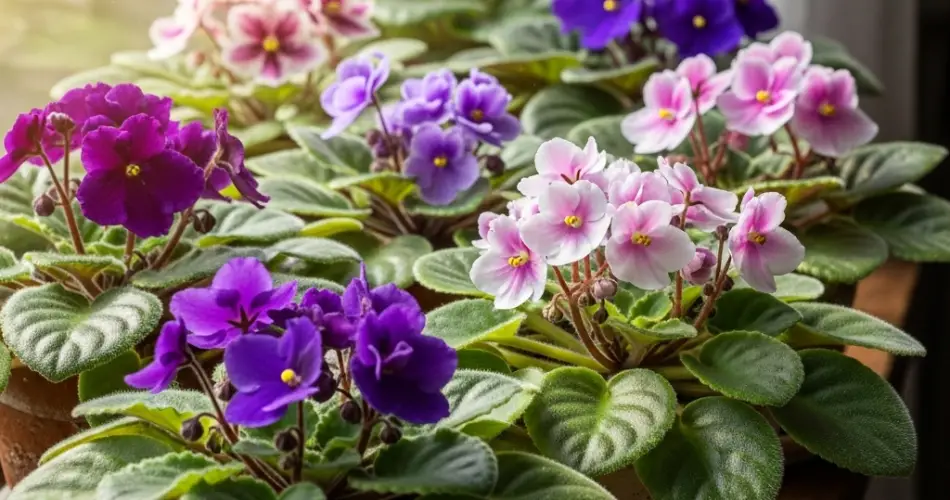
African violets (Saintpaulia) are cherished for their velvety leaves and clusters of vibrant flowers that can bloom year-round if given proper care. These compact houseplants are ideal for windowsills, tabletops, and plant shelves, bringing a splash of color to indoor spaces. However, getting them to bloom consistently can be tricky without knowing what they need. Below are 10 proven techniques to help your African violets thrive and bloom indoors.
1. Provide the Right Amount of Light
African violets need bright, indirect sunlight to bloom. Direct sun can scorch their leaves, while too little light will prevent flowering. Place your plant near a north- or east-facing window. If natural light is limited, consider using fluorescent or LED grow lights for 12 to 14 hours a day. Rotate the pot weekly to ensure even growth and balanced flowering.
2. Maintain Ideal Temperatures
These plants prefer consistent temperatures between 65°F and 75°F (18°C–24°C). Avoid placing them near heaters, air conditioners, or drafty windows. Sudden temperature drops or spikes can stress the plant and inhibit flowering. Keep them in a stable, comfortable room where you feel good too—your comfort zone is theirs.
3. Keep Humidity Moderate
African violets do best in moderate humidity levels, ideally around 50–60%. If your indoor air is dry, especially in winter, place the plant on a shallow tray filled with pebbles and water. Just make sure the bottom of the pot doesn’t sit directly in the water. Grouping plants together can also help raise humidity levels naturally.
4. Use Well-Draining Soil
A light, airy, and well-draining potting mix is essential. Avoid regular garden soil, which can retain too much moisture and lead to root rot. A commercial African violet mix or a homemade blend with peat moss, perlite, and vermiculite works well. The right soil keeps roots healthy and promotes better blooming.
5. Water with Care
Overwatering is a common cause of failure with African violets. Only water when the top inch of soil feels dry. Use room-temperature water and pour it from the bottom or onto the soil surface, avoiding the leaves. Let the plant absorb what it needs for about 30 minutes, then discard any excess water to prevent soggy roots.
6. Fertilize Regularly—but Sparingly
Feeding African violets with a balanced fertilizer helps sustain continuous blooming. Use a water-soluble fertilizer formulated for blooming houseplants or specifically for African violets. Apply every 2–4 weeks at half strength. Over-fertilizing can lead to leaf burn or lush foliage with few flowers, so moderation is key.
7. Remove Spent Flowers and Damaged Leaves
Regular grooming encourages your plant to focus energy on new growth and flowers. Pinch off faded blooms and any yellowing or damaged leaves. This not only keeps the plant looking neat but also improves air circulation around the base, reducing the risk of disease.
8. Repot Every 6 to 12 Months
African violets benefit from being repotted regularly. As they grow, the soil becomes compacted and less effective at retaining nutrients. Repotting gives your plant a fresh start and encourages more blooms. Use a slightly larger pot if needed, but avoid oversized containers, which can delay flowering.
9. Choose the Right Pot Size
These plants bloom best when slightly root-bound. A pot that’s too large encourages root growth at the expense of flowers. A good rule of thumb is to use a pot that’s about one-third the diameter of the leaf spread. Make sure it has proper drainage holes to prevent water from accumulating at the bottom.
10. Avoid Sudden Changes
African violets are sensitive to changes in their environment. Avoid moving them around frequently or exposing them to sudden shifts in temperature, humidity, or light. Once they’ve adjusted to a spot and are growing well, it’s best to leave them there unless conditions become unfavorable.
Final Tips
Patience is key when it comes to African violets. With consistent care and attention to their needs, they can reward you with stunning blooms throughout the year. Keep an eye on their leaves and flowers—they often give clues about what the plant needs. With these proven techniques, you’ll turn your indoor African violets into a reliable source of vibrant color and natural beauty.


