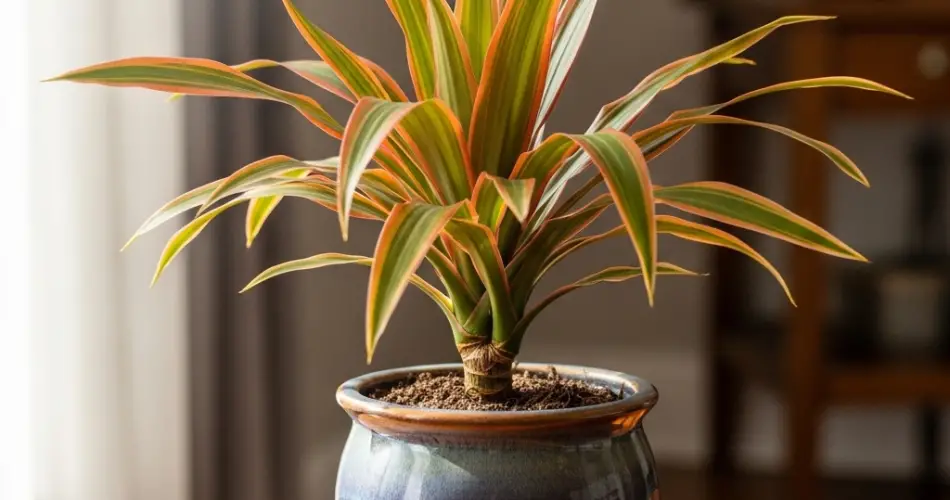
Dracaena plants are known for their resilience and ability to adapt to various indoor environments, but like many houseplants, they are sensitive to excessive moisture. Overwatering is one of the most common issues Dracaena owners face, often leading to root rot, yellowing leaves, and eventual plant decline. Recognizing the signs early and taking prompt action can save your plant and restore it to full health.
This guide covers how to identify overwatering in Dracaena, the steps to help it recover, and preventative measures to avoid future problems.
Recognizing the Signs of Overwatering
Overwatering symptoms in Dracaena can appear gradually, and because the plant’s leaves are slow to respond, damage may already be underway by the time you notice changes. Key signs include:
-
Yellowing lower leaves – While some leaf loss is natural, widespread yellowing is a red flag.
-
Soft, mushy stems – A sign that rot may have reached the plant’s core.
-
Wilting despite moist soil – When roots are damaged, the plant cannot take up water effectively.
-
Brown leaf tips with soggy soil – This combination suggests excess water is stressing the roots.
-
Foul odor from the soil – A strong, musty smell often indicates root rot.
If you notice these symptoms, immediate intervention is necessary to prevent further damage.
Immediate Steps to Save an Overwatered Dracaena
-
Stop watering immediately
Let the soil dry out before adding more water. This pause gives roots a chance to recover from saturation. -
Check drainage
Ensure the pot has drainage holes. If not, repot the plant into one that does. Dracaena cannot tolerate water pooling at the bottom of the pot. -
Remove the plant from the pot
If the symptoms are severe—mushy stems, bad odor, or extensive yellowing—remove the plant from its pot to assess the roots. -
Inspect and prune damaged roots
Healthy roots are firm and white or light tan. Cut away any soft, blackened, or foul-smelling roots with sterilized scissors. -
Repot with fresh soil
Use a well-draining potting mix, ideally containing peat, pine bark, and perlite. This prevents excess water retention and allows oxygen to reach the roots. -
Adjust placement
Place the plant in a bright location with indirect sunlight. This helps the soil dry evenly and supports recovery without stressing the plant with harsh direct rays.
Encouraging Recovery After Overwatering
Once the plant has been repotted and the damaged roots removed, your Dracaena will need some gentle care to regain strength:
-
Water sparingly – Wait until the top 2 inches of soil are completely dry before watering again.
-
Maintain moderate humidity – Avoid placing the plant near overly humid spots or directly beside heaters, as sudden changes can slow recovery.
-
Avoid fertilizing too soon – Hold off on feeding for at least a month. Fertilizer can stress weakened roots.
-
Monitor for pests – Overwatered plants can become vulnerable to fungus gnats and other pests attracted to damp conditions.
Recovery can take several weeks to months, depending on the severity of the root damage. During this time, patience and careful observation are essential.
Preventing Overwatering in the Future
Keeping Dracaena healthy long-term involves building consistent watering habits and creating an environment where the roots can thrive:
-
Follow the “dry first” rule
Only water when the top 2–3 inches of soil feel dry to the touch. Using a moisture meter can help you make accurate decisions. -
Choose the right pot and soil
Always use a pot with drainage holes and a light, airy potting mix to prevent water from lingering at the roots. -
Adjust watering by season
Dracaena needs more water in spring and summer when it’s actively growing and less during autumn and winter when growth slows. -
Consider your home’s environment
Higher indoor humidity or lower light can cause soil to stay wet longer. Adapt your watering frequency to match these conditions. -
Empty saucers promptly
Never let the pot sit in standing water, as it can quickly lead to root rot.
When Recovery Isn’t Possible
In severe cases where the roots and stems are too far gone, full recovery may not be possible. However, you can still try to save part of the plant:
-
Propagate healthy cuttings – If some stems are still firm and green, cut them just above a healthy node and root them in water or fresh soil. This can give you a new, healthy Dracaena to start over with.
Final Thoughts
Overwatering is a common but avoidable problem for Dracaena plants. The key is to monitor soil moisture closely, ensure proper drainage, and adapt care routines to seasonal changes. If you do overwater, quick action—removing damaged roots, repotting, and adjusting watering habits—can often bring your plant back to life.
By learning the warning signs and understanding your plant’s needs, you can keep your Dracaena thriving for years, enjoying its graceful foliage as a vibrant part of your indoor space.


