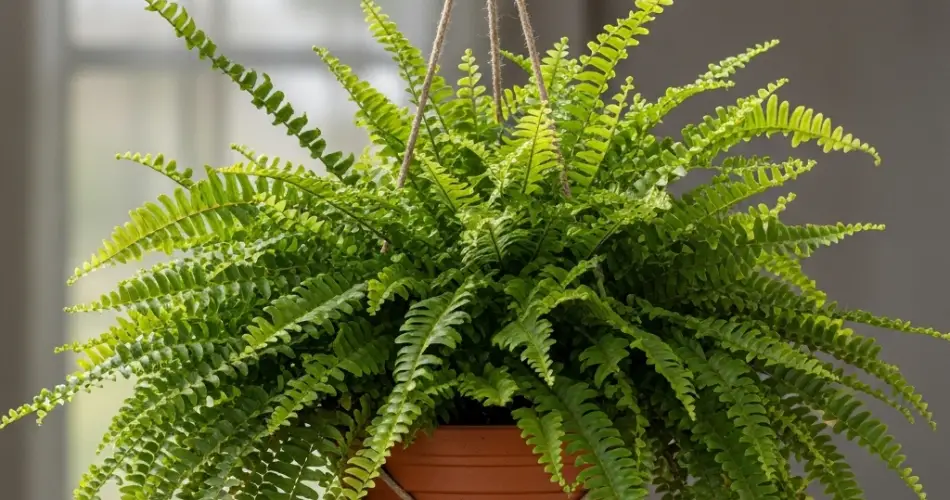
Indoor ferns are a timeless choice for adding soft greenery to your living space. Their feathery fronds and rich textures bring a natural elegance to any room, but to keep them looking vibrant, you must pay close attention to light and placement. Ferns have very specific needs when it comes to lighting and location, and understanding these requirements will help you maintain healthy, full foliage year-round.
This guide covers the best light conditions, positioning strategies, and location tips to ensure your indoor ferns thrive.
1. Understanding a Fern’s Light Preferences
Ferns are naturally found on the forest floor, where they are shielded from direct sunlight by taller plants and trees. This means they prefer indirect, filtered light rather than harsh rays.
-
Avoid direct sun – Intense sunlight can scorch fronds and cause them to dry out.
-
Bright but indirect light – A spot near a north- or east-facing window is ideal.
-
Tolerating low light – Some ferns can adapt to dimmer spaces, but growth will be slower and fronds may be smaller.
If your only options are south- or west-facing windows, be sure to filter the light with sheer curtains to prevent damage.
2. Choosing the Best Room for Your Fern
Where you place your fern in the home matters just as much as the light intensity.
-
Living rooms and bedrooms – These spaces often have consistent temperatures and soft natural light.
-
Bathrooms – Excellent for ferns if there’s a window, as the added humidity mimics their native environment.
-
Avoid drafty or dry areas – Keep ferns away from heating vents, air conditioners, or entry doors that bring in cold air.
Consistency is key—frequent changes in location can stress the plant.
3. Using Artificial Lighting for Ferns
If your home doesn’t have the right natural lighting, artificial lights can be an excellent solution.
-
Use full-spectrum grow lights to mimic natural sunlight.
-
Keep lights on for 12–16 hours a day, especially in darker months.
-
Position the light 12–18 inches above the plant to prevent overheating the fronds.
Artificial lighting is particularly useful for homes with limited windows or during long, cloudy seasons.
4. Adjusting Light Seasonally
The angle and intensity of sunlight change with the seasons, so fern placement may need slight adjustments.
-
Spring and summer – Sunlight is stronger; move ferns slightly farther from the window or increase filtering.
-
Fall and winter – Move ferns closer to windows to catch the limited daylight, or supplement with grow lights.
Keeping an eye on seasonal changes will help prevent light stress on your fern.
5. Recognizing Signs of Incorrect Lighting
Your fern’s fronds will show you if it’s unhappy with its lighting conditions.
-
Too much light – Yellowing, browning, or crispy frond tips.
-
Too little light – Pale green leaves, thin growth, or fronds dropping off.
By spotting these early warning signs, you can quickly adjust the plant’s position before long-term damage occurs.
6. Combining Light and Humidity Needs
While light is crucial, ferns also need consistent humidity to thrive indoors. The right location should balance both requirements.
-
Place the fern where it gets gentle light and higher moisture levels, like near a kitchen sink or in a bright bathroom.
-
If humidity is low, use a humidifier or set the pot on a tray filled with pebbles and water.
Meeting both light and moisture needs ensures lush, full fronds instead of dry, sparse ones.
7. Rotating for Even Growth
Ferns tend to grow toward their light source, which can cause uneven shapes over time.
-
Rotate the pot a quarter turn every 7–10 days to encourage balanced growth.
-
This also ensures all fronds get an equal share of light, preventing one side from becoming sparse.
8. Best Indoor Fern Varieties for Different Light Levels
Some ferns adapt better to lower light than others. Consider choosing a variety suited to your home’s natural conditions:
-
Low light – Boston fern (Nephrolepis exaltata), Maidenhair fern (Adiantum).
-
Moderate light – Bird’s Nest fern (Asplenium nidus), Rabbit’s Foot fern (Davallia).
-
Bright, indirect light – Kimberly Queen fern (Nephrolepis obliterata).
Selecting the right fern for your lighting environment will reduce stress and make care easier.
Final Thoughts
Indoor ferns can remain lush and beautiful for years if you understand their light and location preferences. Aim for bright, indirect light, protect them from harsh sun, and avoid placing them in drafty or overly dry areas. Adjust their position with seasonal changes, and supplement with artificial lighting when needed. By choosing a suitable spot that balances light and humidity, your fern will reward you with dense, healthy fronds that enhance your indoor space year-round.


