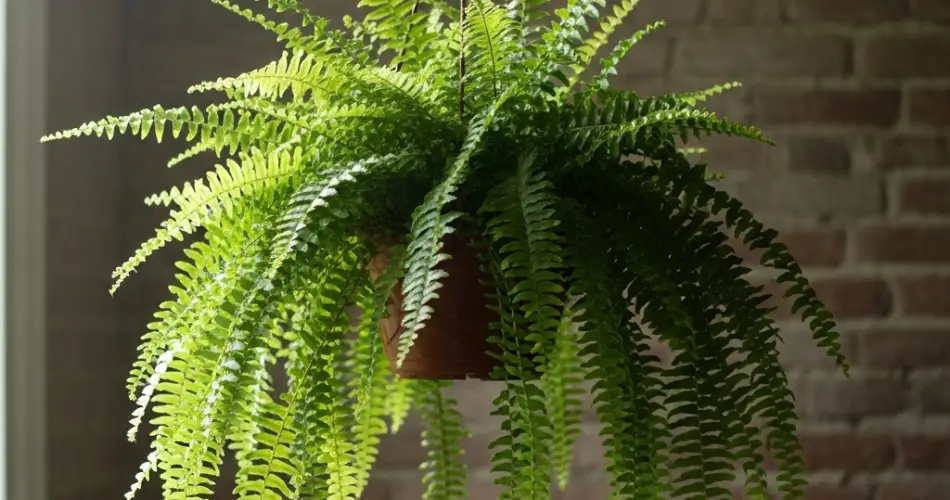
Ferns are beloved indoor plants for their lush, delicate fronds and vibrant green color, but they can be surprisingly sensitive. One common issue many plant owners face is crispy, dry leaf tips or edges. This problem not only affects the plant’s appearance but also signals that something in its care routine needs adjustment.
The good news is that crispy fern leaves can be prevented with the right care techniques. Understanding what causes the dryness and making small but effective changes to the plant’s environment can keep your fern thriving.
Why Fern Leaves Turn Crispy
Ferns naturally grow in humid, shaded environments such as tropical forests or damp woodlands. When grown indoors, their needs must be replicated as closely as possible. The most common reasons for crispy leaves include:
-
Low humidity – Indoor air, especially in air-conditioned or heated rooms, can be too dry for ferns.
-
Inconsistent watering – Both under-watering and overwatering can cause stress, leading to brown tips.
-
Too much direct sunlight – Ferns prefer bright, indirect light; direct sun can scorch the fronds.
-
Poor soil moisture balance – Soil that drains too quickly or retains too much water can harm roots.
-
Lack of nutrients – While not as common, nutrient deficiencies can contribute to leaf damage over time.
Steps to Keep Fern Leaves Healthy and Soft
1. Maintain Consistent Humidity
Humidity is the most critical factor in preventing crispy fern leaves. Ideally, ferns should be kept in an environment with 50–70% humidity. To achieve this:
-
Place a humidifier near the plant.
-
Set the fern on a pebble tray filled with water (without letting the pot sit directly in the water).
-
Group plants together to create a microclimate that retains moisture.
-
Mist lightly in the morning, allowing leaves to dry before nightfall to prevent fungal growth.
2. Water Properly and Regularly
Ferns dislike completely dry soil, but they also cannot sit in soggy conditions. The goal is consistently moist, not waterlogged, soil.
-
Check the top inch of soil and water when it begins to feel slightly dry.
-
Use room-temperature water to avoid shocking the roots.
-
Water evenly until excess drains from the bottom, and empty the saucer afterward.
-
In warmer months, you may need to water more frequently; in cooler months, reduce the schedule slightly.
3. Provide the Right Lighting Conditions
Direct sunlight can burn fern fronds, leading to dry, crispy edges. However, too little light can weaken the plant and affect growth.
-
Place your fern in a spot with bright, indirect light, such as near a north- or east-facing window.
-
If the only available light is from a south or west window, use sheer curtains to filter the rays.
-
Rotate the plant occasionally to ensure even growth on all sides.
4. Use Suitable Soil
The right soil helps maintain moisture while allowing excess water to escape. Ferns thrive in rich, loose, well-draining soil.
-
A good mix includes peat moss or coco coir, perlite, and a small amount of compost.
-
Avoid heavy garden soil that compacts easily, as it can suffocate roots.
-
Repot every 1–2 years to refresh nutrients and encourage healthy growth.
5. Feed Your Fern in Moderation
Ferns benefit from regular feeding during the growing season, but too much fertilizer can burn the roots and leaves.
-
Use a balanced, water-soluble fertilizer diluted to half strength.
-
Apply once a month during spring and summer.
-
Skip feeding in autumn and winter when the plant’s growth slows down.
6. Prune and Clean Regularly
Removing damaged fronds improves appearance and allows the plant to focus its energy on producing healthy new growth.
-
Use clean, sharp scissors to cut away brown or crispy leaves.
-
Wipe leaves gently with a damp cloth to remove dust, helping them absorb light and moisture more efficiently.
Seasonal Adjustments for Fern Care
-
Spring and Summer – Increase watering frequency, maintain higher humidity, and feed monthly.
-
Autumn and Winter – Reduce watering slightly, avoid cold drafts, and consider moving the plant away from heating vents.
Ferns are particularly sensitive to sudden changes in temperature and air moisture, so try to keep their environment stable year-round.
Preventing Future Crispy Leaves
The key to prevention is consistency. A fern will thrive when its care routine closely mimics its natural habitat. Regular monitoring, small environmental adjustments, and attention to moisture levels will make a big difference.
If you notice crispy tips starting to form, act quickly by checking soil moisture, humidity levels, and lighting conditions. Addressing these factors early prevents the issue from spreading to the entire plant.
Final Thoughts
Crispy fern leaves are a common problem, but they’re also one of the easiest to fix once you understand the plant’s needs. By focusing on proper humidity, consistent watering, and balanced light, you can maintain the lush, green fronds that make ferns so appealing.
With the right attention and a stable care routine, your fern can remain healthy, vibrant, and free of crispy leaves for years to come, adding fresh beauty and natural elegance to your indoor space.


