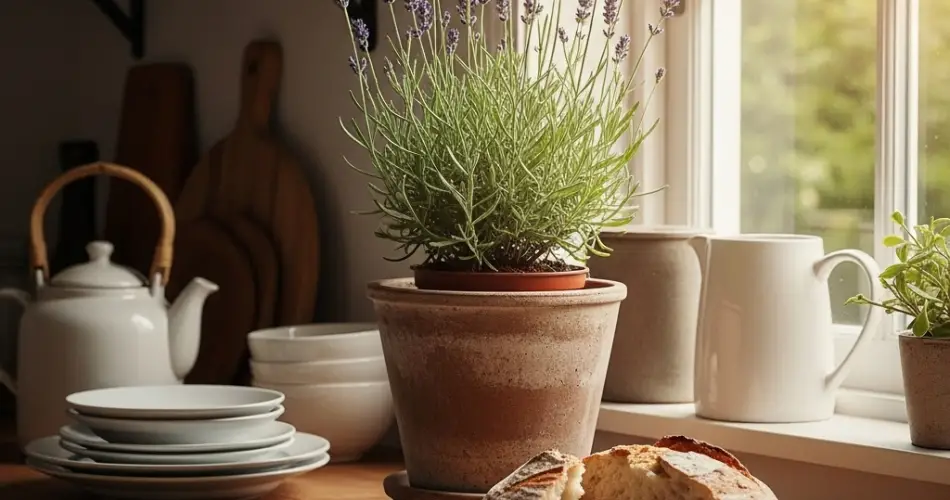
Lavender is often admired for its fragrance, delicate purple flowers, and calming presence in the home. While many people associate it with perfumes, sachets, or decorative gardens, lavender is much more than a beautiful plant. This versatile herb is also edible, bringing unique flavor and aroma to a variety of dishes and drinks. Growing lavender indoors by a sunny window allows you to enjoy its beauty and benefits year-round, even if you don’t have outdoor space.
Why Grow Lavender Indoors?
Lavender is an excellent choice for an indoor herb garden because it provides multiple benefits. Its fragrance naturally refreshes the air in your home, creating a relaxing atmosphere. Lavender has also long been valued for its calming properties, often used in aromatherapy to reduce stress and improve sleep.
Beyond its scent, lavender offers culinary uses. Both the flowers and leaves are edible, and when used in moderation, they lend a slightly sweet, floral taste with hints of citrus and rosemary. From teas to baked goods, lavender can elevate your cooking in unexpected ways.
Growing it indoors ensures you always have access to fresh sprigs, and the plant’s decorative appearance adds a touch of charm to any kitchen or living space.
Choosing the Right Variety
Not all lavender varieties are equally suited for indoor growing. The best choices are compact, dwarf types such as ‘Munstead’ or ‘Hidcote’, which remain small and thrive in containers. These varieties are hardy, fragrant, and easier to manage in limited spaces.
English lavender is especially favored for culinary use because of its balanced flavor compared to stronger, more resinous types like French lavender. When choosing a plant, consider how you plan to use it—decorative, aromatic, or edible—and select accordingly.
The Ideal Spot
Lavender thrives on sunlight, so placement is crucial. A south-facing window that provides at least six hours of direct sunlight per day is ideal. Without sufficient light, the plant may become leggy and weak.
If your home doesn’t receive enough natural light, supplement with a grow light. LED grow lights are efficient, compact, and perfect for windowsill gardens. Keeping your lavender in a bright location will ensure healthy growth and continuous fragrance.
Soil and Container Needs
Lavender prefers well-draining soil, as it is highly sensitive to excess moisture. Use a sandy or gritty potting mix, or combine standard potting soil with sand or perlite to improve drainage.
Choose a container with drainage holes, and avoid overly large pots, as lavender does best when its roots are slightly confined. A terra cotta pot is an excellent choice because it helps wick away excess moisture from the soil, mimicking the dry conditions lavender naturally enjoys.
Watering and Care
One of the most common mistakes with indoor lavender is overwatering. The plant thrives in dry conditions, so let the soil dry out slightly between waterings. Water deeply but infrequently, and always ensure the pot drains fully.
Indoor air can sometimes be too humid, especially in kitchens or bathrooms. Good air circulation is essential for lavender to prevent fungal issues. Avoid misting the plant and instead focus on keeping the soil on the drier side.
Fertilizing is rarely necessary. If you want to encourage growth, apply a diluted, balanced liquid fertilizer once a month during spring and summer. Too much fertilizer can reduce the plant’s fragrance and flavor.
Harvesting Lavender
Once your lavender is established and producing flowers, you can begin harvesting. Use clean scissors to cut stems just above the leaves. Harvesting regularly encourages new growth and helps the plant stay bushy and healthy.
For culinary purposes, lavender flowers are most flavorful when harvested just before they fully open. Dry the cut stems in a cool, dark place by hanging them upside down, or use them fresh for immediate use.
Culinary Uses
Lavender can add a subtle and sophisticated touch to your cooking. Some popular uses include:
-
Teas and infusions: Steep dried lavender flowers for a calming herbal tea.
-
Baked goods: Add to shortbread cookies, cakes, or scones for a unique flavor.
-
Savory dishes: Use sparingly in marinades or rubs for lamb, poultry, or fish.
-
Sugar and syrups: Infuse lavender into sugar or simple syrup for cocktails and desserts.
-
Herbal blends: Mix with thyme, rosemary, and oregano to create custom seasonings.
When cooking with lavender, less is more. Its strong flavor can easily overpower other ingredients, so use it sparingly until you find the balance you like.
Maintaining Your Plant Year-Round
Lavender can live indoors year-round if cared for properly. Prune back after flowering to keep the plant compact and prevent it from becoming woody. During winter, reduce watering even further, as growth naturally slows down.
If your lavender starts to outgrow its pot, repot in fresh soil every couple of years, but avoid containers that are too large. Keeping the plant slightly root-bound helps maintain its health and fragrance.
Final Thoughts
Growing lavender by your window offers beauty, fragrance, and flavor all in one plant. It enhances the atmosphere of your home, supports relaxation, and provides fresh herbs for your kitchen adventures. With the right light, soil, and care, lavender thrives indoors, rewarding you with its many uses throughout the year.
Whether you’re brewing a cup of soothing lavender tea or sprinkling its delicate blossoms over baked goods, this aromatic and edible herb is a delightful addition to any home garden.