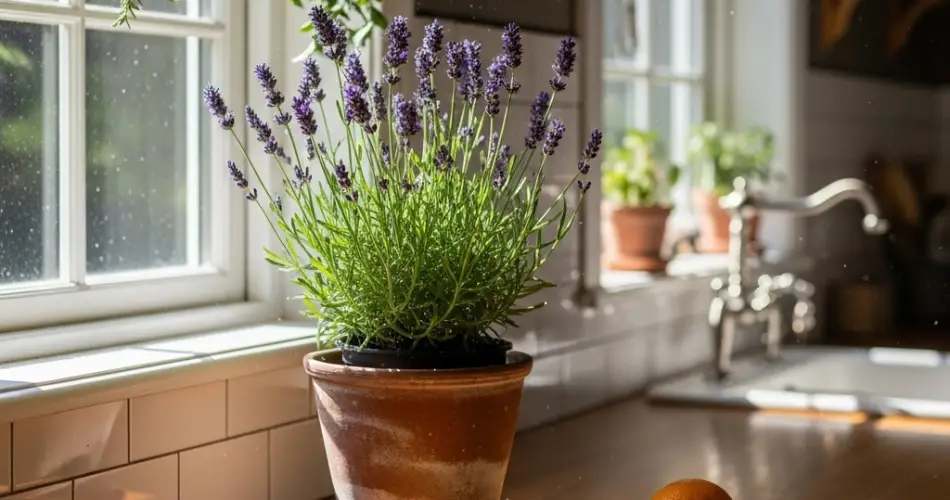
Lavender has long been celebrated for its beauty, fragrance, and calming qualities. From perfuming linen drawers to flavoring teas and desserts, this versatile herb adds both charm and function to daily life. While many people think of lavender as a garden plant best suited for outdoor landscapes, it can thrive indoors too. With the right care, you can grow lavender right in your kitchen—bringing both a fresh supply of aromatic leaves and a touch of tranquility into your home.
Growing lavender indoors not only provides a practical source for culinary and wellness uses but also creates a soothing environment. Its scent has been linked to reduced stress and improved mood, making it an ideal companion plant for busy kitchens. Whether you’re sipping tea, baking bread, or just enjoying the aroma while cooking, lavender adds a gentle sense of calm.
Why Grow Lavender in Your Kitchen?
Keeping lavender in your kitchen offers both sensory and functional benefits. The plant’s silvery-green foliage and purple blossoms brighten indoor spaces, while its aroma naturally freshens the air. Unlike some herbs that require constant pruning and watering, lavender is relatively low-maintenance once established.
Beyond its beauty and scent, lavender is also edible. The flowers and leaves can be used in teas, syrups, baked goods, and even savory dishes. Having a pot within arm’s reach means you can easily incorporate its flavor into recipes or enjoy its therapeutic benefits whenever you need a moment of relaxation.
Choosing the Right Variety
Not all lavender varieties are equally suited for indoor growing. Compact types like English lavender (Lavandula angustifolia) or French lavender (Lavandula dentata) are the best choices for kitchen spaces. These varieties adapt better to pots, grow more slowly, and remain manageable in size compared to larger garden types.
If your kitchen is small, dwarf cultivars such as ‘Hidcote’ or ‘Munstead’ work especially well. They produce beautiful blooms without overwhelming the limited space of windowsills or countertops.
Potting and Soil Requirements
Lavender thrives in well-draining soil, as its roots are sensitive to excess moisture. Choose a container with multiple drainage holes and fill it with a sandy, slightly alkaline potting mix. A blend designed for Mediterranean herbs, or a mixture of standard potting soil with added perlite and coarse sand, is ideal.
Avoid heavy soils that hold too much water, as lavender is prone to root rot in soggy conditions. Terracotta pots are highly recommended since they allow the soil to dry more evenly, reducing the risk of overwatering.
Light and Placement
For lavender to flourish indoors, it requires plenty of light. Place your pot in the sunniest spot in your kitchen, ideally a south-facing window where it can receive at least 6–8 hours of direct sunlight daily. If your kitchen lacks adequate natural light, supplement with a grow light positioned about 6 inches above the plant.
Proper air circulation is also important, as stagnant air can encourage mold or mildew. Placing the pot near a window that can be opened occasionally helps keep the plant healthy while refreshing your kitchen environment.
Watering and Feeding
Lavender prefers to stay on the drier side. Water deeply but infrequently, waiting until the top inch of soil is dry before watering again. Overwatering is one of the most common mistakes when growing lavender indoors. A simple way to check moisture levels is by inserting your finger into the soil—if it feels dry, it’s time to water.
Feeding should be minimal. Too much fertilizer can cause excessive leafy growth at the expense of flowers and fragrance. A light application of a balanced, slow-release fertilizer once or twice during the growing season is sufficient.
Pruning and Harvesting
To keep your indoor lavender plant neat and healthy, prune lightly throughout the year. Trim back any leggy or woody stems, and pinch off faded blooms to encourage more flowering.
When harvesting, snip stems just above the foliage, preferably in the morning when the oils are most concentrated. The fresh sprigs can be used immediately in teas, desserts, or cooking. Alternatively, dry them by hanging small bundles upside down in a warm, airy space, then store in airtight jars for later use.
Benefits Beyond the Kitchen
Lavender isn’t just a flavorful herb; it’s also a natural stress reliever. Studies have shown that its scent may help reduce anxiety, improve sleep quality, and even lower blood pressure. Keeping a pot in your kitchen means you can enjoy these calming effects while cooking, cleaning, or winding down after a long day.
Additionally, dried lavender can be used in homemade sachets, candles, or bath salts, extending its benefits well beyond the kitchen.
Common Challenges and Solutions
While lavender is generally easy to grow indoors, a few issues may arise:
-
Leggy growth: Often caused by insufficient light. Move the plant to a sunnier spot or add a grow light.
-
Yellowing leaves: Usually a sign of overwatering or poor drainage. Check the potting mix and reduce watering frequency.
-
Lack of blooms: May occur if the plant receives too much fertilizer or too little sunlight. Adjust accordingly.
By observing your plant and making small adjustments, you can keep it thriving year-round.
Final Thoughts
Lavender is more than just a decorative plant—it’s a source of calm, flavor, and beauty that fits perfectly into a kitchen setting. With its soothing scent, culinary versatility, and minimal care requirements, it’s an herb that pays back every bit of attention you give it.
By growing lavender in your kitchen, you cultivate not only a fresh supply of herbs but also an atmosphere of relaxation and comfort. It’s a small addition that makes a big difference—reminding you to slow down, breathe deeply, and savor both the flavors and the moments of daily life.


