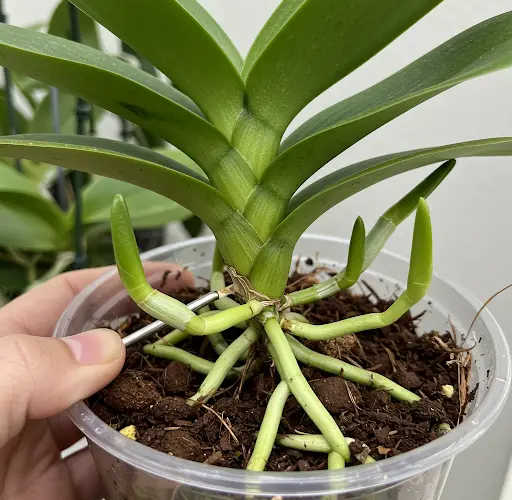
How to Propagate Any Dendrobium Orchid Successfully
Orchids are among the most captivating flowers, and propagating them can be a rewarding experience. If you have a Dendrobium orchid that has finished blooming, you can still use its stems to grow new plants. Today, I will guide you through a simple and effective method to propagate any Dendrobium orchid using a natural ginger solution and a miniature greenhouse setup. This technique helps ensure successful sprouting and growth, making it easy to expand your orchid collection at home.
Why Propagate Dendrobium Orchids?
Dendrobium orchids are known for their ability to produce new shoots from dormant buds on older canes. By using the right propagation method, you can:
- Create multiple new plants from a single orchid.
- Encourage healthy root and shoot formation.
- Grow orchids more efficiently using natural, organic techniques.
- Save money by propagating orchids instead of buying new ones.
Step-by-Step Guide to Propagating Dendrobium Orchids
1. Selecting the Right Stems for Propagation
Not all parts of the orchid are suitable for propagation. To ensure successful growth, follow these steps:
- Identify stems that have already bloomed and are no longer producing flowers.
- Cut only healthy and thick canes that still contain dormant buds at the nodes.
- Avoid using stems that are too old, weak, or have dried out.
2. Preparing the Cuttings
Once you have selected the stems, it’s important to prepare them properly to prevent infection and rot.
- Cut the stems into sections, ensuring that each segment has at least 3-4 nodes (small bumps along the stem where new growth can occur).
- Seal the cut ends by dripping melted wax onto them. This prevents water from entering and causing rot.
- Carefully peel off the protective film covering the dormant buds to encourage faster sprouting.
3. Preparing the Ginger Root Growth Solution
Ginger is a natural stimulant that can help activate the dormant buds and boost root growth.
Ingredients:
- 1 fresh sprig of chopped ginger
- 500 ml of boiled water
Steps:
- Chop the fresh ginger into small pieces.
- Pour 500 ml of freshly boiled water over the ginger.
- Let the mixture sit for 24 hours to allow the nutrients to infuse into the water.
- Strain the ginger water to remove solid pieces, leaving behind a nutrient-rich liquid.
4. Soaking the Orchid Cuttings and Moss
Before planting the cuttings, soaking them in the ginger water provides them with essential nutrients and protects against fungal infections.
- Place the cuttings in the ginger solution and let them soak for 30 minutes.
- If you are using sphagnum moss for planting, soak it in the ginger water for 30 minutes as well. This will help retain moisture and encourage root growth.
5. Creating a Miniature Greenhouse for Faster Propagation
Using a small, enclosed environment helps maintain humidity, which is crucial for propagating orchids.
What You Need:
- A recycled plastic box with a lid (such as a food container)
- A small ventilation hole for airflow
How to Set Up the Greenhouse:
- Place the soaked moss at the bottom of the container.
- Lay the orchid cuttings on top of the moss.
- Lightly mist the cuttings to maintain moisture.
- Close the lid, leaving a small vent for airflow.
- Keep the container in a bright place with indirect light, avoiding direct sunlight.
6. Maintaining Moisture and Growth Conditions
Proper care during the first few weeks is essential to ensure successful propagation.
- Once a week, spray the cuttings with water to maintain humidity inside the greenhouse.
- Avoid excessive watering, as too much moisture can lead to rot.
- Keep the greenhouse in a warm and bright location, but away from direct sunlight.
Growth Timeline: What to Expect
After 21 Days:
- You should start to see small growths emerging from the nodes.
- Continue misting once a week and maintain the same environmental conditions.
After 10 More Days:
- Shoots will begin to develop further, and small roots may start forming.
- Keep providing moisture and avoid exposing the cuttings to harsh sunlight.
After 2 More Weeks:
- The cuttings will have developed stronger roots and new leaves.
- This is a good time to start acclimating the orchid cuttings to a more natural growing environment.
7. Transplanting to Pots
Once the cuttings have established roots and new shoots, it’s time to transfer them to individual pots.
How to Pot the New Orchids:
- Select small pots with good drainage holes.
- Use a well-draining orchid mix, such as pine bark, coconut husk, and sphagnum moss.
- Gently place the rooted orchid cuttings into the pot.
- Water lightly and keep in a shaded area until the plant fully adapts.
Final Tips for Successful Orchid Propagation
- Be Patient: Orchids take time to develop strong roots and shoots. Proper care ensures long-term success.
- Avoid Overwatering: Too much moisture can cause fungal infections and rot.
- Use Natural Growth Boosters: Ginger, cinnamon, and aloe vera water can help encourage faster growth.
- Maintain Humidity: If you live in a dry climate, consider using a humidity tray to provide extra moisture.
Conclusion: Grow More Orchids with This Simple Method
Propagating Dendrobium orchids doesn’t have to be complicated. By following this step-by-step guide, you can easily grow new orchids from cuttings using natural techniques. The combination of ginger water and a miniature greenhouse creates the perfect environment for sprouting new roots and shoots. With patience and proper care, you’ll soon have healthy new orchids that will bloom beautifully in their new home. Try this method today and watch your orchid collection expand effortlessly!


