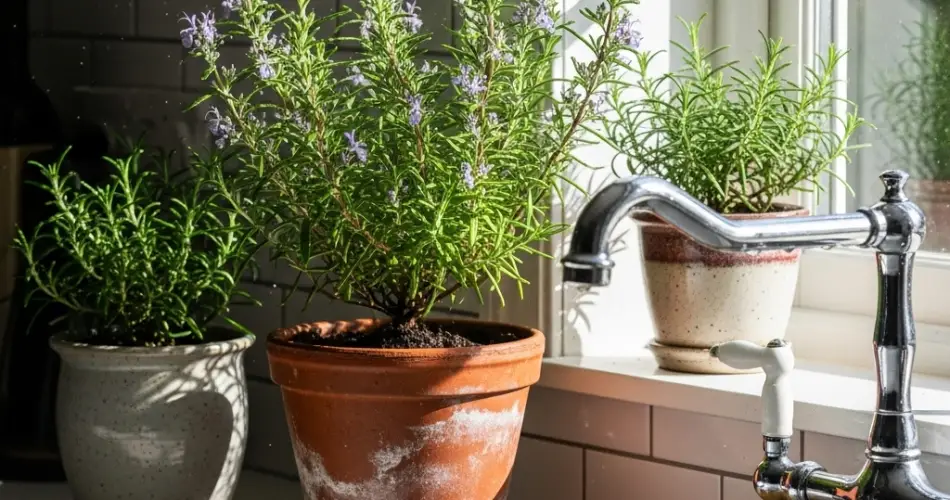
Rosemary is a fragrant, evergreen herb cherished for its aromatic needle-like leaves and robust flavor. It is a staple in Mediterranean cooking, adding depth to roasted meats, vegetables, breads, and sauces. Growing rosemary indoors, especially in your kitchen, provides fresh sprigs at your fingertips while bringing a touch of greenery and natural fragrance into your home.
This guide offers practical tips for successfully cultivating rosemary in your kitchen, including container selection, care requirements, and harvesting.
Why Grow Rosemary Indoors?
Indoor rosemary cultivation offers several advantages:
-
Accessibility: Fresh rosemary is always within reach for cooking.
-
Year-Round Growth: Unlike outdoor plants limited by seasons, indoor rosemary can thrive all year.
-
Space Efficiency: Perfect for kitchens without outdoor garden space.
-
Air Quality: Rosemary plants contribute to improved indoor air quality.
-
Aesthetic Appeal: Adds evergreen greenery and a pleasant scent to your kitchen.
Choosing the Right Container
Selecting the right pot for rosemary is essential for healthy growth:
-
Size: Rosemary has a relatively deep root system and grows into a woody shrub. Use a pot at least 10 to 12 inches deep and wide.
-
Material: Terracotta pots are excellent choices as they promote soil aeration and prevent excess moisture. Plastic and ceramic pots can also be used if they have proper drainage.
-
Drainage: Ensure the container has multiple drainage holes to avoid water accumulation.
Soil Requirements
Rosemary thrives in well-draining, sandy or loamy soil with a slightly acidic to neutral pH:
-
Use a high-quality potting mix blended with sand or perlite to enhance drainage.
-
Avoid heavy, moisture-retentive soils that can lead to root rot.
Selecting Rosemary Varieties
Several rosemary varieties are suitable for indoor growing:
-
Tuscan Blue Rosemary: Classic variety with large, dark green leaves and a robust flavor.
-
Blue Spires Rosemary: Upright growth habit, perfect for containers.
-
Prostratus Rosemary: A trailing variety ideal for hanging pots or window boxes.
-
Arp Rosemary: Known for its cold hardiness and vigorous growth.
Choose a variety that fits your space and aesthetic preferences.
Planting Rosemary
Rosemary can be grown from seeds, cuttings, or nursery plants:
-
Seeds: Rosemary seeds are slow to germinate, often taking up to 3 weeks. Sow seeds in well-draining soil and keep moist until sprouting.
-
Cuttings: Root rosemary cuttings in water or moist soil for faster establishment.
-
Transplants: Buy healthy young plants and transplant them into your kitchen pot.
Light Requirements
Rosemary needs plenty of bright, direct sunlight to flourish indoors:
-
Place the pot in a south- or west-facing window with at least 6 to 8 hours of sunlight daily.
-
If natural light is insufficient, supplement with grow lights providing 12 to 14 hours of light each day.
Watering and Humidity
Rosemary prefers relatively dry conditions:
-
Water thoroughly when the top 1 to 2 inches of soil feel dry.
-
Avoid overwatering, as rosemary is susceptible to root rot in soggy soil.
-
Good air circulation helps prevent fungal diseases.
-
Rosemary prefers average indoor humidity; avoid excessive moisture around foliage.
Fertilizing Rosemary
Rosemary is a light feeder:
-
Apply a balanced, water-soluble fertilizer diluted to half strength once a month during the growing season.
-
Avoid over-fertilizing to maintain flavor intensity.
Pruning and Harvesting Rosemary
Regular pruning encourages bushy growth and maintains plant health:
-
Trim rosemary branches regularly to promote fullness and prevent woody growth.
-
Harvest sprigs as needed by cutting just above leaf nodes.
-
Avoid removing more than one-third of the plant at a time to reduce stress.
-
Frequent harvesting encourages new growth.
Common Challenges and Solutions
-
Leggy Growth: Often caused by insufficient light. Move rosemary to a sunnier spot or use supplemental lighting.
-
Yellowing Leaves: Typically due to overwatering or poor drainage. Adjust watering and improve soil aeration.
-
Pests: Watch for spider mites and aphids. Treat infestations with insecticidal soap if necessary.
-
Fungal Issues: Prevent by avoiding overhead watering and ensuring good airflow.
Benefits of Growing Rosemary Indoors
-
Freshness: Harvest fresh rosemary anytime for cooking.
-
Health: Rosemary contains antioxidants and anti-inflammatory compounds.
-
Decor: Adds evergreen greenery and a pleasant aroma to your kitchen.
-
Sustainability: Growing your own herbs reduces waste and shopping trips.
Conclusion
Growing rosemary in your kitchen is a practical and enjoyable way to keep fresh, flavorful herbs on hand year-round. By selecting an appropriate container, providing ample light, ensuring well-draining soil, and following proper watering and pruning practices, your indoor rosemary can thrive.
Whether you use rosemary to enhance your favorite recipes or enjoy its fragrant presence in your home, cultivating this evergreen herb indoors brings culinary delight and natural beauty right to your kitchen space.


