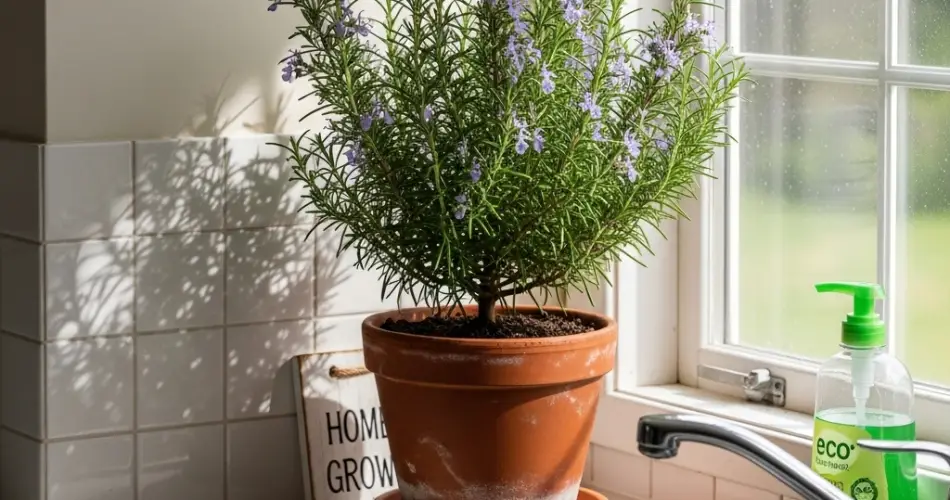
Rosemary is a versatile and aromatic herb prized for its needle-like leaves and robust flavor. Used widely in cooking, from roasting meats to seasoning vegetables and breads, rosemary adds a distinctive taste and delightful fragrance. While it is often grown outdoors, rosemary can thrive indoors as well, making it a perfect herb for kitchen gardeners who want fresh leaves year-round. Growing rosemary indoors not only provides easy access while cooking but also adds a refreshing scent and greenery to your living space. This guide will walk you through the essentials of cultivating healthy, thriving rosemary plants indoors.
Why Grow Rosemary Indoors?
Rosemary is a hardy, drought-tolerant herb native to the Mediterranean, known for its resilience and low maintenance. Indoor cultivation offers several benefits:
-
Year-Round Freshness: Access fresh rosemary anytime, no matter the season.
-
Space Efficiency: Ideal for apartments, small kitchens, or homes without outdoor gardens.
-
Aesthetic Appeal: Its upright growth habit and evergreen leaves add a beautiful, fragrant touch to your kitchen or living area.
-
Air Quality: Rosemary’s scent can improve indoor air and create a calming atmosphere.
Choosing the Right Rosemary Variety for Indoors
Not all rosemary varieties are equally suited for indoor growing. Some of the best types for containers and indoor settings include:
-
Rosmarinus officinalis ‘Tuscan Blue’: Classic variety with long, aromatic leaves.
-
Rosmarinus officinalis ‘Blue Boy’: A compact dwarf variety perfect for small spaces.
-
Rosmarinus officinalis ‘Prostratus’: A trailing variety, ideal for hanging pots or shelves.
-
Rosmarinus officinalis ‘Arp’: Cold-hardy and vigorous, adaptable to indoor conditions.
Selecting a compact or slow-growing variety is advantageous for indoor gardening.
Selecting the Right Container
Rosemary’s root system requires a container that promotes healthy growth:
-
Size: Choose a pot at least 8-10 inches deep and wide to provide ample room for roots.
-
Material: Terracotta pots are excellent for rosemary because they allow moisture to evaporate, preventing root rot. Plastic pots retain moisture longer but require careful watering.
-
Drainage: Ensure the container has multiple drainage holes to avoid waterlogged soil, which rosemary does not tolerate.
Ideal Soil for Indoor Rosemary
Rosemary prefers well-draining, slightly acidic to neutral soil:
-
Soil Mix: Use a light, sandy potting mix or create your own by mixing regular potting soil with sand, perlite, or small gravel to improve drainage.
-
pH Level: Aim for soil pH between 6.0 and 7.0.
-
Nutrients: Rosemary doesn’t require heavy feeding; occasional use of balanced, diluted liquid fertilizer during the growing season is sufficient.
Planting and Propagating Rosemary Indoors
Rosemary can be started from seeds, cuttings, or small nursery plants:
-
Seeds: Growing rosemary from seed is slow and requires patience, as germination can take 2-3 weeks.
-
Cuttings: Taking stem cuttings from an established plant and rooting them in water or soil is a faster method.
-
Transplants: Purchasing young plants from a nursery ensures quicker growth.
-
Planting: Place rosemary in your container with fresh, well-draining soil, gently firming the soil around the roots.
Light Requirements for Indoor Rosemary
Light is crucial for rosemary’s health:
-
Sunlight: Rosemary requires at least 6-8 hours of direct sunlight each day. Position your plant near a south-facing window for best results.
-
Supplemental Lighting: If natural sunlight is insufficient, use fluorescent or LED grow lights to provide 10-12 hours of light daily.
-
Rotation: Rotate the pot regularly to ensure even light exposure and balanced growth.
Watering and Humidity
Rosemary prefers moderate watering and drier conditions:
-
Watering: Allow the top inch of soil to dry out between watering sessions. Water deeply but infrequently, ensuring excess water drains away.
-
Humidity: Rosemary thrives in moderate to low humidity environments. Avoid overly humid spaces, as excess moisture can encourage fungal diseases.
-
Air Circulation: Good airflow around the plant helps prevent fungal problems and keeps rosemary healthy.
Pruning and Maintenance
Regular pruning promotes bushier growth and longevity:
-
Pruning: Trim rosemary regularly to shape the plant and encourage new growth. Remove any dead or woody stems.
-
Harvesting: Snip sprigs as needed for cooking, but avoid removing more than one-third of the plant at a time.
-
Cleaning: Occasionally wipe leaves with a damp cloth to remove dust and keep the plant healthy.
Common Challenges and Solutions
-
Leggy Growth: Often due to insufficient light. Move the plant to a sunnier spot or supplement with grow lights.
-
Yellow Leaves: Can indicate overwatering or poor drainage. Adjust watering practices accordingly.
-
Pests: Rosemary is generally pest-resistant but may attract spider mites or aphids. Treat infestations with insecticidal soap or neem oil.
-
Root Rot: Prevent by ensuring good drainage and avoiding overwatering.
Benefits of Growing Rosemary Indoors
-
Fresh Flavor: Homegrown rosemary offers more intense flavor and aroma than store-bought.
-
Low Maintenance: Rosemary is drought-tolerant and easy to care for with the right conditions.
-
Decorative: Adds beauty and fragrance to your home environment.
-
Health Properties: Rosemary has antioxidants and potential cognitive benefits.
Conclusion
Growing rosemary indoors is an excellent way to keep this fragrant, flavorful herb close at hand for all your culinary needs. By choosing the right variety, providing sufficient light, using well-draining soil, and practicing proper watering and pruning, you can enjoy healthy rosemary plants year-round. Whether you’re roasting meats, seasoning vegetables, or simply appreciating its aromatic presence, indoor rosemary brings beauty, utility, and freshness into your living space.


