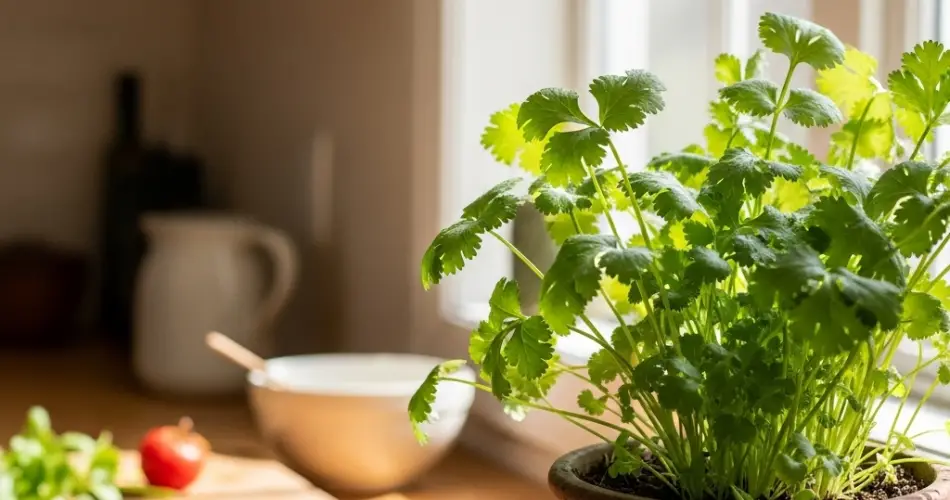
Few herbs bring as much brightness to a dish as cilantro. Its fresh, citrusy flavor elevates everything from salsas to curries and salads. While cilantro is commonly bought in bunches from the market, growing it in your own kitchen ensures you’ll always have the freshest leaves on hand. Indoor cultivation of cilantro may seem challenging at first, but with the right techniques, you can enjoy a steady supply from seed all the way to salsa.
Why Grow Cilantro Indoors?
Cilantro is best enjoyed fresh, as its delicate leaves lose flavor quickly after harvesting. Having it right in your kitchen allows you to pick what you need at the moment you need it. Growing indoors also protects the plant from outdoor pests and weather extremes. Plus, a pot of cilantro on your windowsill adds vibrant greenery and a fresh fragrance to your cooking space.
Choosing the Right Container
Cilantro develops long taproots, so it requires a deep container to thrive. Choose a pot at least 8 to 12 inches deep with good drainage holes. Terracotta or ceramic pots work well because they allow excess moisture to evaporate, preventing waterlogging.
If you plan to grow multiple plants, opt for a wide planter to give each seedling room to spread. Crowding cilantro leads to weaker plants, so spacing is important for a lush harvest.
Soil for Success
Cilantro prefers light, well-draining soil. A standard potting mix works, but you can improve it by mixing in a bit of sand or perlite to enhance drainage. Since cilantro grows quickly and benefits from steady nutrition, adding compost or an organic fertilizer to the mix provides the nutrients needed for strong stems and leafy growth.
Starting from Seed
Unlike some herbs that transplant easily, cilantro performs best when started directly from seed. Its long roots don’t respond well to being moved. To start, soak the seeds in water for a few hours to speed up germination. Scatter them evenly across the soil surface, then cover with a thin layer of soil about a quarter inch deep.
Keep the soil consistently moist, but not soggy. Seeds usually germinate within 7 to 10 days. Thin the seedlings once they’re a few inches tall, leaving about 3 to 4 inches of space between each plant. This spacing encourages good airflow and prevents overcrowding.
Light Requirements
Cilantro thrives on plenty of light. Place the pot in a bright, south-facing window where it can receive at least 6 hours of sunlight daily. If natural light is limited, especially during winter, supplement with a grow light to maintain steady growth. Without adequate light, cilantro may grow tall and leggy instead of producing full, leafy stems.
Watering Wisely
Cilantro prefers evenly moist soil but doesn’t tolerate soggy conditions. Water when the top inch of soil feels dry, making sure excess water drains out of the container. Inconsistent watering can cause the plant to bolt prematurely, sending up flower stalks and reducing leaf production. Regular, moderate watering keeps the plant lush and green.
Harvesting Cilantro
One of the most rewarding aspects of growing cilantro indoors is harvesting fresh leaves as you cook. Start harvesting when the plants are about 6 inches tall. Snip leaves from the outer stems first, leaving the central stems to continue growing. Always use clean scissors or shears to avoid damaging the plant.
Frequent harvesting not only provides you with fresh cilantro but also encourages bushier growth. Avoid cutting more than one-third of the plant at once, as this can stress it. With proper care, a pot of cilantro can provide harvests for several weeks.
Managing Bolting
Cilantro has a tendency to bolt, especially in warm indoor environments. Bolting occurs when the plant sends up flower stalks and begins to produce seeds. While the flowers are attractive and the seeds (coriander) are useful in cooking, bolting means fewer tender leaves.
To delay bolting, keep your cilantro in a cool location and harvest regularly. Planting new seeds every few weeks ensures a continuous supply of fresh leaves, even as older plants mature.
From Seed to Salsa
The beauty of growing cilantro indoors is the immediacy of its use. Imagine preparing a homemade salsa and simply reaching for a handful of fresh leaves from your kitchen windowsill. Chop them into guacamole, sprinkle them over tacos, or add them to soups and stir-fries. Fresh cilantro elevates everyday meals, and when it’s homegrown, it tastes even better.
Final Thoughts
Cilantro may have a reputation for being a short-lived herb, but with a bit of planning and care, it can be a steady kitchen companion. By starting from seed, providing the right soil and container, ensuring plenty of light, and harvesting regularly, you’ll enjoy a thriving indoor cilantro garden. From seed to salsa, the process is both rewarding and delicious, giving you the satisfaction of knowing that every dish carries the flavor of your own fresh harvest.


