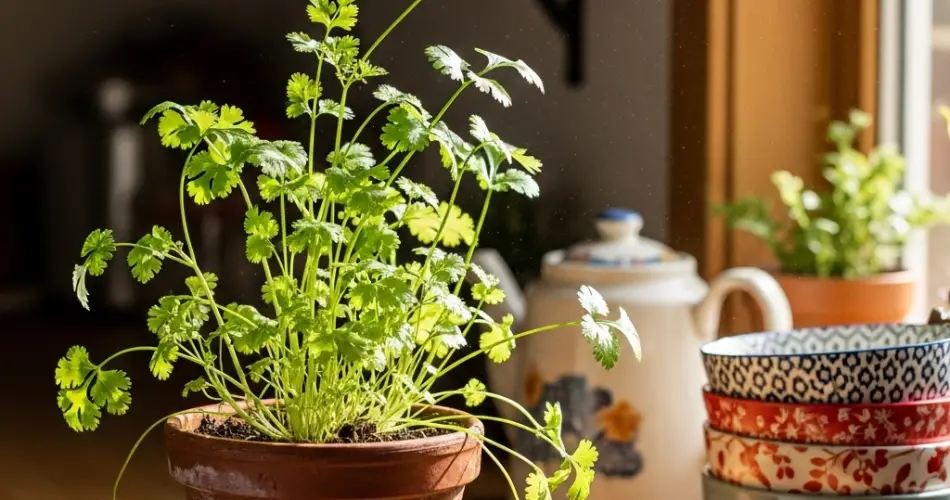
Cilantro, also known as coriander, is one of the most widely used herbs in global cuisine. Its distinct flavor adds brightness to dishes ranging from salsas and curries to soups and salads. While it is commonly grown outdoors in gardens or larger containers, cilantro is surprisingly well-suited for indoor growing too. With a bit of care and the right conditions, you can enjoy a steady supply of fresh, fragrant leaves right from your kitchen windowsill.
Indoor cilantro gardens are ideal for anyone with limited space or those who want fresh herbs year-round. By focusing on lighting, soil, watering, and harvesting, you can create a thriving indoor setup that provides plenty of cilantro for your meals.
Choosing the Right Container
Cilantro grows best in containers that provide depth rather than width. Because this herb develops long taproots, shallow pots aren’t suitable. Instead, use a container that is at least 8–10 inches deep with good drainage holes. Terracotta pots are an excellent choice since they allow the soil to dry out evenly, but any well-draining container works as long as it gives the roots room to spread.
If you’re short on space, rectangular window boxes can be a good option. They not only maximize growing area but also fit neatly along windowsills or countertops.
Soil Requirements
Cilantro prefers soil that drains well yet retains enough moisture to support healthy growth. A high-quality potting mix with added perlite or sand works well. Avoid heavy soils that may hold too much water, as soggy conditions can lead to root problems.
The soil should also be moderately rich. Incorporating compost or a slow-release organic fertilizer at the beginning of planting gives cilantro the nutrients it needs to grow strong and flavorful leaves.
Light for Indoor Growth
One of the most important factors in growing cilantro indoors is providing adequate light. This herb thrives in full sun, so position containers in a south-facing window where they can receive at least 5–6 hours of direct sunlight each day.
If natural light is limited, especially during winter, supplement with grow lights. Full-spectrum LED grow lights are efficient and provide the necessary wavelengths for healthy growth. Position the lights about 6–8 inches above the plants and keep them on for 12–14 hours daily to mimic natural conditions.
Watering Guidelines
Cilantro enjoys consistent moisture but not waterlogging. Water the plant when the top inch of soil feels dry to the touch, ensuring that excess water can drain freely. A good practice is to water thoroughly and then allow the soil to dry slightly before watering again.
Avoid letting the soil dry out completely, as cilantro tends to bolt—or produce flowers and seeds—when stressed. Steady moisture helps prolong the leafy growth phase, ensuring more harvests of fresh leaves.
Temperature and Airflow
Cilantro prefers cooler indoor conditions compared to many other herbs. Ideal temperatures range between 60–75°F (15–24°C). Avoid placing pots too close to ovens, heaters, or radiators, as excessive heat can stress the plant and speed up bolting.
Proper airflow also supports healthy growth. If your indoor space is humid or stagnant, a small fan can help circulate air, preventing fungal problems and keeping leaves healthy.
Pruning and Harvesting Cilantro
One of the keys to maintaining a productive cilantro plant indoors is regular harvesting. Begin cutting leaves once the plant reaches 4–6 inches in height. Use clean scissors to snip outer leaves first, leaving the central growth intact. This encourages continued leaf production.
Harvest frequently but avoid cutting more than one-third of the plant at a time. Regular harvesting prevents the plant from going to seed too quickly and keeps it producing fresh leaves longer.
Extending the Growing Season Indoors
Cilantro has a naturally short growing cycle and tends to bolt after a few weeks, even with proper care. To ensure a steady supply, try succession planting. Sow new seeds every two to three weeks in separate pots so that as one plant begins to slow down, another is ready for harvest.
Growing cilantro from seeds is often more successful than transplanting seedlings, since the taproot can be sensitive to disturbance. Sow seeds directly in the final container, covering them lightly with soil and keeping them moist until germination.
Culinary Uses of Fresh Cilantro
One of the biggest rewards of growing cilantro indoors is the convenience of having fresh leaves at hand whenever you cook. You can use cilantro in:
-
Fresh salsas and guacamole for vibrant flavor.
-
Curries, stir-fries, and soups for a fragrant garnish.
-
Salads, grain bowls, or wraps for an herbal kick.
-
Herb butters, dips, or sauces for an aromatic twist.
Since cilantro loses flavor quickly after harvest, picking it fresh ensures maximum taste and aroma in your cooking.
Final Thoughts
Cilantro can be a little more demanding than other herbs because of its short life cycle, but with careful attention to light, water, and harvesting, it can thrive indoors. By planting in deep containers, providing steady moisture, and practicing succession planting, you can enjoy a continuous supply of this flavorful herb right from your kitchen.
A small indoor cilantro garden doesn’t just give you convenience; it also elevates everyday cooking, ensuring that you always have one of the world’s most beloved herbs within easy reach.


