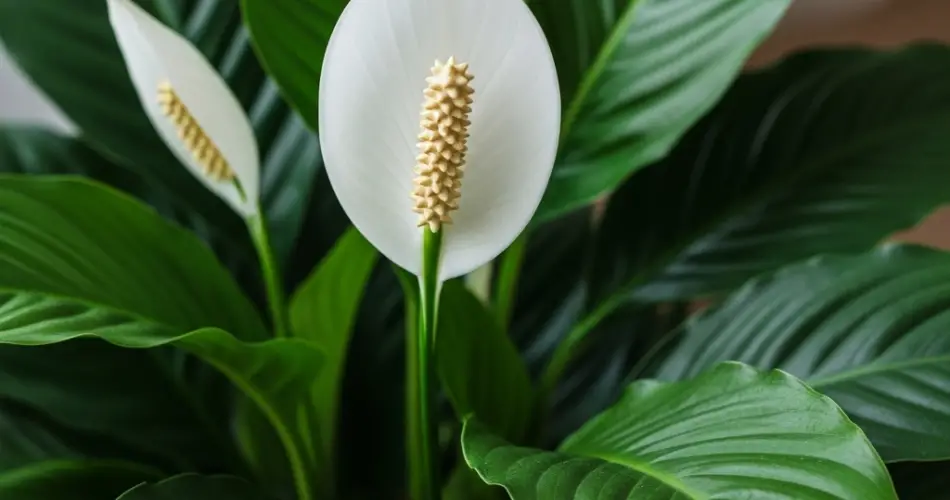
The Spathiphyllum, commonly known as the peace lily, is a favorite houseplant for good reason. It’s elegant, easy to care for, and it purifies the air. But if your peace lily hasn’t bloomed in a while, or its leaves are starting to look dull and lifeless, there’s an incredibly simple solution that can spark a dramatic transformation—just one pill.
That’s right. With one tablet of a common supplement found in most homes, you can trigger your peace lily to produce vibrant, white blooms and lush foliage, often within a matter of weeks. This method is natural, inexpensive, and safe when applied correctly.
The Magic Pill: Vitamin B1 (Thiamine)
The powerful solution lies in Vitamin B1, also known as thiamine. This water-soluble vitamin, typically used to support human nervous system health, can work wonders on plants as well—particularly in stimulating root development, reducing transplant shock, and boosting flowering.
For peace lilies, which are sensitive to overwatering and poor root conditions, vitamin B1 acts as a stimulant to rejuvenate growth from the roots up—leading to stronger leaves and more prolific flowering.
Why Vitamin B1 Works for Plants
Here’s how Vitamin B1 benefits peace lilies and other houseplants:
-
Encourages Root Growth: Healthy roots are key to absorbing water and nutrients efficiently. B1 speeds up root regeneration and development.
-
Reduces Stress: After repotting, pruning, or moving a plant to a new environment, B1 helps reduce stress, preventing leaf yellowing or drop.
-
Boosts Blooming: By strengthening the root system and energizing plant metabolism, thiamine indirectly supports more frequent and abundant flowering.
-
Enhances Nutrient Uptake: B1 helps activate enzymes involved in nutrient absorption and distribution within the plant.
The result? Your peace lily bounces back quickly with strong leaves, new growth, and fresh blooms.
How to Prepare and Use the B1 Pill Fertilizer
This method is quick and only takes a few minutes to prepare. You’ll need:
Ingredients:
-
1 Vitamin B1 tablet (usually 100 mg)
-
1 liter (about 4 cups) of room-temperature water
-
A container or watering can
Instructions:
-
Crush the Pill: Place the Vitamin B1 tablet between two spoons or in a small plastic bag and crush it into a fine powder.
-
Dissolve in Water: Add the crushed powder into 1 liter of water and stir until fully dissolved. This becomes your root-enhancing tonic.
-
Apply to the Plant: Pour the solution gently around the base of the peace lily. Avoid pouring it directly on the leaves. One application per month is enough.
-
Optional Foliar Spray: For an added boost, strain the solution and put it into a spray bottle. Lightly mist the undersides of the leaves once a month. Avoid spraying during direct sunlight hours.
Best Time to Use This Method
The best time to apply the B1 solution is early in the growing season—typically spring and summer, when peace lilies are more active. However, if your plant is showing signs of stress or hasn’t bloomed in a while, this method can be used any time of year, with noticeable improvements often appearing within 2 to 4 weeks.
Signs That Your Peace Lily Will Respond Well
Look out for the following signs that indicate your peace lily is ready for a boost:
-
No blooms for more than 3 months
-
Drooping or soft leaves despite watering
-
Roots circling the pot or slow new growth
-
Yellowing at the base of older leaves
After applying the B1 tonic, expect to see new flower spikes, stronger, glossier leaves, and overall healthier growth within a short period.
Additional Plant Care Tips for Long-Lasting Blooms
To maximize the effect of this method, pair it with proper peace lily care:
-
Light: Keep the plant in a spot with bright, indirect sunlight. Avoid harsh midday sun.
-
Watering: Water when the top inch of soil is dry. Peace lilies dislike soggy soil.
-
Humidity: Mist leaves or place the pot on a pebble tray with water to improve humidity.
-
Cleaning: Gently wipe dust from leaves to allow efficient photosynthesis.
-
Pruning: Remove old, yellow leaves and spent flowers to encourage new ones.
Plants That Also Benefit from Vitamin B1
This technique isn’t limited to just peace lilies. You can use it on:
-
Orchids
-
Snake plants
-
Pothos
-
Anthuriums
-
Indoor flowering plants like begonias or African violets
Just be sure to apply in moderation—once a month is sufficient.
Final Thoughts
You don’t need complex fertilizers or expensive plant boosters to bring your peace lily back to life. Sometimes, a simple Vitamin B1 pill is all it takes to awaken dormant roots, trigger flowering, and enhance overall plant health.
With just one tablet a month, you can help your Spathiphyllum burst into bloom and stay vibrant all year long. Try this method and watch your plant transform—naturally, effectively, and affordably.


