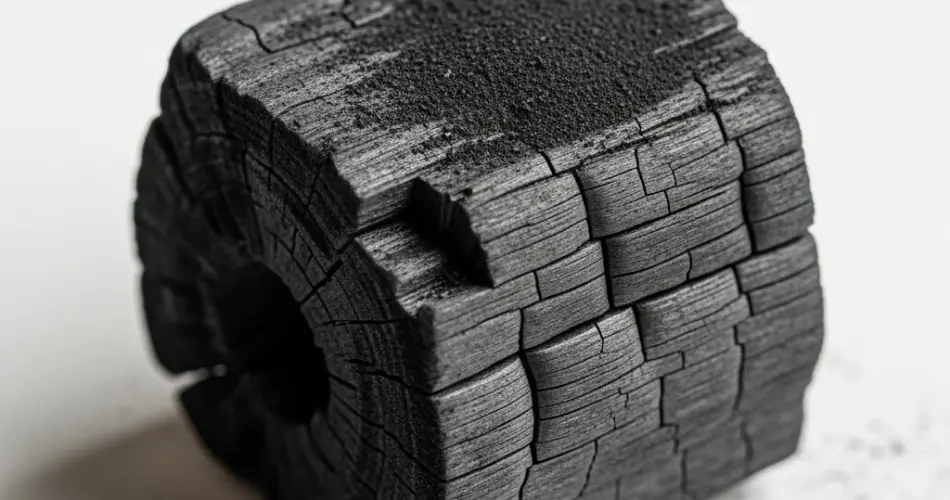
Orchids are among the most elegant and rewarding flowering plants to grow, but they can also be finicky. One of the biggest challenges orchid growers face is root rot, a condition that quickly deteriorates the plant’s health and can lead to permanent damage or even death. Fortunately, there’s a simple and natural solution to this common problem: charcoal.
Charcoal, particularly horticultural or activated charcoal, is gaining popularity among orchid growers for its remarkable ability to prevent root rot, balance moisture, and promote a healthy root environment. When used as the primary or partial component of orchid potting mix, it helps create the perfect conditions for orchids to thrive.
Why Root Rot Happens in Orchids
Root rot occurs when orchid roots are exposed to excess moisture over an extended period. Most orchids, such as Phalaenopsis and Dendrobiums, are epiphytes, meaning they naturally grow attached to trees and absorb moisture and nutrients from rain and air—not from constantly wet soil. When planted in overly dense or water-retaining media, their roots suffocate and begin to rot.
Common causes of root rot include:
-
Overwatering or poor drainage
-
Compacted or decomposed potting mix
-
Low air circulation around roots
-
Fungal or bacterial infections in soggy conditions
To eliminate the risk of root rot, it’s essential to mimic an orchid’s natural environment by using a well-draining, airy, and absorbent potting medium—and that’s where charcoal comes in.
The Benefits of Charcoal for Orchids
Charcoal offers several advantages that make it ideal for orchid cultivation:
-
Excellent Drainage and Aeration
Charcoal is porous and does not retain water for long periods. It allows excess moisture to drain quickly while keeping the root zone aerated, which is essential for orchids. -
Prevents Root Rot
Charcoal naturally resists decomposition and helps prevent bacterial and fungal buildup. It absorbs toxins and impurities from water and decomposing organic matter, making the root environment cleaner and healthier. -
Long-Lasting Medium
Unlike bark or moss, which break down over time and need frequent replacement, charcoal retains its structure for much longer, reducing the frequency of repotting. -
Odor Control
Charcoal helps eliminate unpleasant smells caused by decaying organic matter and stagnant water in pots. -
Maintains pH Balance
It acts as a natural filter, helping to keep the potting medium pH-balanced, which supports nutrient uptake in orchids.
How to Use Charcoal as Orchid Soil
Charcoal can be used on its own or mixed with other components like bark, perlite, or coconut husk chips. The choice depends on the type of orchid and your environment.
Materials Needed:
-
Horticultural charcoal (do not use barbecue charcoal with additives)
-
Orchid bark (optional, for extra structure)
-
Perlite or pumice (optional, for added drainage)
-
Clear orchid pot with drainage holes
Steps:
-
Prepare the Charcoal Mix
Rinse the charcoal pieces thoroughly to remove dust and any loose particles. If you’re mixing, combine equal parts charcoal, bark, and perlite for a well-balanced medium. -
Remove the Orchid from Old Potting Mix
Gently take the orchid out of its current pot. Trim off any dead or mushy roots using sterile scissors. -
Pot the Orchid in the Charcoal Mix
Place a few pieces of charcoal at the bottom of the pot. Position the orchid so the base of the plant is just above the pot rim, and fill in around the roots with the charcoal mix. Tap gently to settle the medium without compacting it. -
Water Sparingly
After repotting, wait a few days before watering to allow the roots to heal. Then water thoroughly and allow the excess to drain completely. Only water when the charcoal feels dry to the touch. -
Place in Bright, Indirect Light
Keep your orchid in a spot with plenty of filtered light and good air circulation.
Types of Charcoal to Use
Use horticultural charcoal or activated charcoal made specifically for gardening. Avoid charcoal briquettes used for grilling, as they often contain harmful chemicals and fillers.
-
Large chunks are ideal for big orchids like Cattleya or Vanda.
-
Smaller particles can be mixed for finer-rooted orchids like Phalaenopsis.
When to Repot
Charcoal does not break down quickly, but you should still check your orchids every 1–2 years. Repot if:
-
The plant has outgrown the pot
-
You see lots of dead roots
-
The medium has compacted or smells sour
Final Thoughts
Charcoal is a game-changing potting medium for orchids, offering excellent drainage, root health, and long-lasting cleanliness. By switching to charcoal or a charcoal-based mix, you can dramatically reduce the risk of root rot and support vigorous, long-term orchid growth.
If you’ve struggled to keep orchids healthy or want to try a more natural and reliable soil alternative, give charcoal a try. With the right care and the right medium, your orchids can thrive for years—putting root rot behind you for good.


