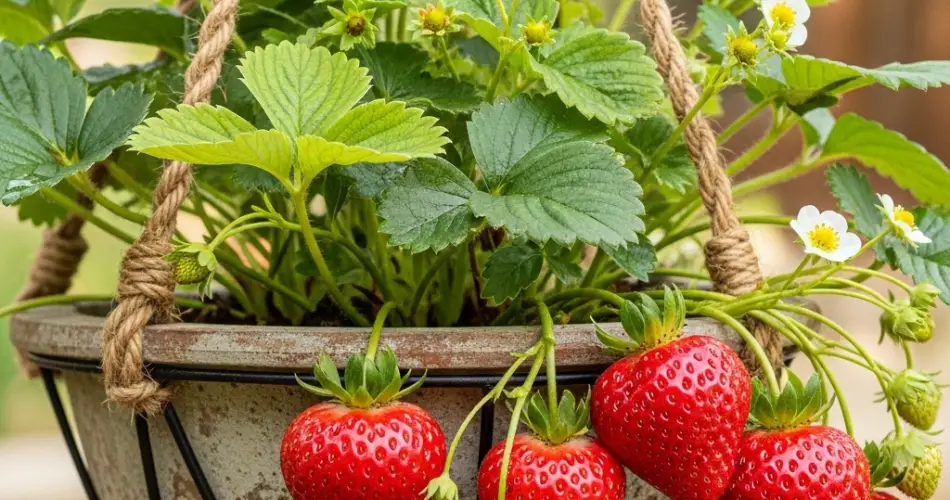
Strawberries are one of the most rewarding fruits to grow at home. Their sweet flavor, vibrant color, and nutritional value make them a favorite for desserts, smoothies, salads, and snacking straight from the garden. While strawberries can be grown in traditional garden beds, hanging baskets offer an excellent solution for small spaces, balconies, patios, or urban gardens.
Hanging baskets not only save space but also create a visually appealing display. With proper care, they can produce juicy, ripe strawberries throughout the growing season, allowing you to enjoy fresh, homegrown fruit without the need for a large backyard.
Why Hanging Baskets Work for Strawberries
Strawberries thrive in hanging baskets for several reasons:
-
Space-saving: Perfect for small patios, balconies, or indoor areas.
-
Improved drainage: Elevated baskets prevent waterlogging, which can lead to root rot.
-
Pest protection: Hanging plants are less accessible to ground-dwelling pests like slugs and snails.
-
Visual appeal: Cascading strawberry plants with red fruits create an attractive garden feature.
These advantages make hanging baskets a practical and decorative choice for home strawberry cultivation.
Choosing the Right Basket
Selecting the right hanging basket is essential for healthy, productive strawberry plants:
-
Size: A basket at least 10–12 inches deep and 12–14 inches wide provides enough soil for roots and multiple plants.
-
Material: Woven, wire, or plastic baskets lined with coconut coir, moss, or burlap are ideal. The lining helps retain soil while allowing proper drainage.
-
Support: Ensure the hanging hooks, chains, or brackets can safely hold the weight of soil, water, and growing plants.
-
Drainage: Adequate drainage holes prevent water accumulation and promote healthy root systems.
A well-chosen basket ensures stability, proper aeration, and optimal conditions for strawberries.
Preparing Soil
Healthy soil is critical for strong root development and fruit production:
-
Lining: Use coconut coir, moss, or burlap to contain soil while allowing water to drain.
-
Drainage layer: Add a thin layer of small stones or gravel at the bottom to enhance drainage.
-
Soil mix: Use a lightweight, nutrient-rich potting mix enriched with compost. Adding perlite or vermiculite improves aeration and prevents soil compaction.
Well-prepared soil ensures vigorous plants, abundant flowers, and juicy fruits.
Planting Strawberries
Strawberries can be grown from bare-root plants, plugs, or seedlings:
-
Plant spacing: Place 3–4 plants per basket, ensuring crowns are at soil level. Overcrowding can reduce airflow and fruit quality.
-
Watering: Keep the soil consistently moist until plants establish, usually within 1–2 weeks.
-
Sunlight: Strawberries require at least 6–8 hours of direct sunlight daily for optimal growth and fruit production.
For continuous fruiting, consider planting in multiple baskets or staggering plantings every few weeks.
Care and Maintenance
Maintaining hanging strawberries requires consistent care:
-
Watering: Baskets dry out faster than in-ground soil, so check soil daily. Water thoroughly to reach all roots, but avoid waterlogging.
-
Fertilizing: Apply a balanced, diluted liquid fertilizer every 2–3 weeks. Organic options like compost tea or fish emulsion work well.
-
Mulching: Add straw or shredded leaves to conserve moisture, regulate soil temperature, and prevent soil-borne diseases.
-
Pruning: Remove dead leaves and runners that aren’t needed for propagation to encourage stronger fruiting plants.
Proper care ensures healthy plants and abundant, high-quality fruit.
Harvesting Strawberries
Strawberries are typically ready to harvest 4–6 weeks after flowering, depending on the variety:
-
Pick regularly: Harvest fruits when they are fully red, firm, and juicy.
-
Method: Gently twist or snip the berries from the plant to avoid damaging the crown.
-
Continuous harvest: Regular picking encourages more flowers and prolonged fruit production.
Timely harvesting maximizes sweetness and ensures that strawberries remain tender and flavorful.
Common Challenges
-
Pests: Birds, aphids, and slugs may target strawberries. Bird netting and natural sprays like neem oil can help.
-
Diseases: Powdery mildew and gray mold can occur in humid conditions. Ensure good airflow and avoid wetting leaves during watering.
-
Nutrient deficiencies: Yellowing leaves may indicate a lack of nitrogen or other nutrients; supplement with organic fertilizer as needed.
Monitoring plants and adjusting care prevents common problems and promotes a productive basket garden.
Final Thoughts
Growing strawberries in hanging baskets is an easy and rewarding way to enjoy fresh, juicy fruit in small spaces. By choosing the right basket, preparing fertile soil, providing consistent care, and harvesting regularly, you can enjoy a steady supply of flavorful strawberries right from your balcony, patio, or small garden.
This method maximizes vertical space while creating a productive and decorative feature. With proper attention to sunlight, watering, and feeding, hanging basket strawberries can provide homegrown sweetness throughout the growing season.


