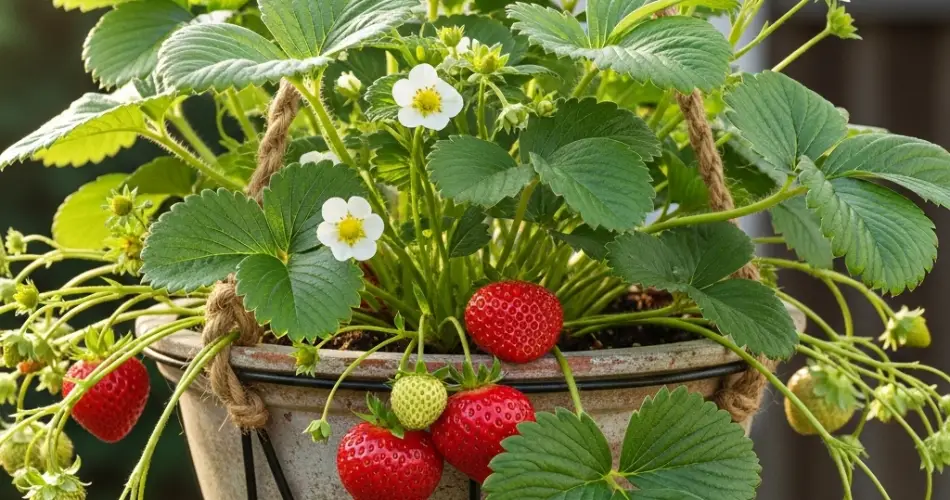
Strawberries are one of the most popular and rewarding fruits to grow at home. Their sweet, juicy flavor, combined with their vibrant red color, makes them perfect for fresh eating, desserts, or jams. For gardeners with limited space, woven basket gardening provides an ideal solution. Baskets offer excellent drainage, mobility, and soil control, allowing strawberries to thrive on patios, balconies, or small garden areas. This guide explains how to grow, care for, and harvest strawberries in woven baskets for maximum yield and flavor.
Why Grow Strawberries in Woven Baskets
Woven baskets offer several advantages for strawberry gardening:
-
Space-Saving: Ideal for small outdoor spaces where traditional garden beds aren’t feasible.
-
Drainage: Baskets allow excess water to escape, preventing root rot and fungal diseases.
-
Mobility: Baskets can be moved to follow sunlight or shield plants from extreme weather.
-
Aesthetic Appeal: Woven baskets add charm while keeping plants organized and accessible.
Choosing the Right Strawberry Varieties
Selecting the right variety is key to a successful basket harvest. Strawberries are typically categorized as June-bearing, everbearing, or day-neutral:
-
June-Bearing: Produce a large harvest over a few weeks in late spring or early summer. Varieties include ‘Earliglow’ and ‘Jewel.’
-
Everbearing: Produce two to three smaller harvests throughout the growing season. Varieties include ‘Ozark Beauty’ and ‘Quinault.’
-
Day-Neutral: Produce continuously from spring through fall, ideal for baskets. Varieties include ‘Seascape’ and ‘Albion.’
For small-space basket gardening, day-neutral or everbearing varieties are often preferred, as they provide a longer harvest period in a compact setting.
Selecting and Preparing Woven Baskets
Choose a sturdy woven basket with a diameter of 12–16 inches and a depth of at least 8–10 inches. Ensure it has drainage holes at the bottom to prevent water accumulation. Line the basket with coconut coir, burlap, or landscape fabric to retain soil while allowing excess water to escape. Adequate depth and drainage support healthy root growth and fruit production.
Preparing the Soil
Strawberries thrive in nutrient-rich, well-draining soil. For baskets, prepare a mix that includes:
-
High-quality potting soil
-
Compost or well-rotted organic matter for nutrients
-
Perlite or coarse sand to improve drainage and aeration
Avoid heavy garden soil, which can compact in baskets and restrict root growth. Strawberries prefer slightly acidic soil with a pH of 5.5–6.5. Adding a slow-release fertilizer at planting encourages strong roots, leaves, and fruit production.
Planting Strawberries in Woven Baskets
To plant strawberries successfully:
-
Fill the basket with prepared soil, leaving about 2 inches from the top.
-
Plant strawberry crowns so that the roots are covered, but the crown remains just above the soil. Space plants 4–6 inches apart for compact baskets.
-
Water gently to settle the soil and keep it evenly moist.
For continuous harvests, consider planting multiple baskets with staggered varieties. This ensures fresh strawberries throughout the growing season.
Sunlight and Temperature
Strawberries require full sun for optimal growth, ideally 6–8 hours of direct sunlight daily. Place baskets in the sunniest available location. Strawberries prefer moderate temperatures, around 60–80°F (15–27°C). Adequate sunlight promotes strong leaf growth, flower development, and sweet, flavorful fruit.
Watering and Care
Consistent soil moisture is essential for strawberries, especially during flowering and fruit development. Water baskets regularly to keep the soil evenly moist but not waterlogged. Mulching with straw or small bark chips helps retain moisture, regulate soil temperature, and prevent soil-borne diseases.
Fertilize every 3–4 weeks with a balanced, water-soluble fertilizer to encourage healthy leaves and abundant fruit. Remove runners if growing only for fruit, as this directs energy into developing berries rather than new plants.
Harvesting Strawberries
Strawberries are ready to harvest when fully red and slightly soft to the touch. Gently twist or cut the fruit from the stem, leaving the green cap intact. Harvest regularly to encourage continuous production, particularly for everbearing or day-neutral varieties.
Benefits of Woven Basket Strawberry Gardening
-
Efficient use of small outdoor spaces
-
Improved soil quality and drainage
-
Portability for optimal sunlight or protection from weather
-
Continuous harvest with proper variety selection
-
Decorative and functional addition to patios, balconies, or small gardens
Final Thoughts
Growing strawberries in woven baskets is an enjoyable and rewarding method for small-space gardeners. By choosing suitable varieties, providing nutrient-rich, well-draining soil, and maintaining consistent care, you can enjoy a steady supply of fresh, sweet strawberries throughout the growing season. Woven baskets offer mobility, aesthetic appeal, and convenience, making them ideal for urban or compact gardening. With proper planting, watering, and harvesting techniques, basket-grown strawberries can provide delicious fruit while enhancing the beauty and functionality of your home garden.


