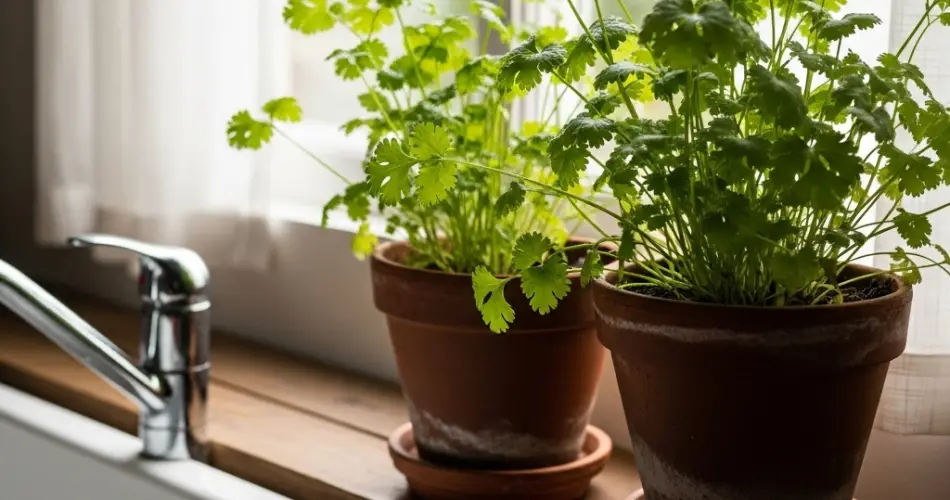
Cilantro, also known as coriander or Chinese parsley, is a beloved herb prized for its fresh, citrusy flavor and aromatic leaves. It’s a staple in many global cuisines, from Mexican to Indian to Southeast Asian, used to add bright, fresh notes to salsas, curries, salads, and garnishes. Having fresh cilantro growing right next to your cutting board in the kitchen means instant access to this flavorful herb whenever you need it, enhancing your cooking with minimal effort.
This article guides you through the practical steps of successfully growing cilantro indoors near your kitchen workspace, so you can enjoy fresh, vibrant leaves year-round.
Why Grow Cilantro Next to the Cutting Board?
Growing cilantro indoors near your kitchen workspace has distinct advantages:
-
Convenience: Pluck fresh leaves on demand without searching through the fridge or garden.
-
Year-Round Availability: Indoor growing avoids seasonal limits, ensuring a steady supply.
-
Space Efficiency: Perfect for kitchens without outdoor garden areas.
-
Aromatherapy: The pleasant citrusy scent brightens your kitchen environment.
-
Freshness: Maximize flavor and nutrient content by harvesting immediately before use.
Selecting the Right Container
Choosing the right container is crucial for successful cilantro cultivation indoors:
-
Size: Cilantro has a taproot system, so use a pot at least 8 inches deep and 8 to 10 inches wide to provide adequate root space.
-
Material: Terracotta pots are excellent for good aeration but plastic or ceramic pots with drainage holes also work well.
-
Drainage: Ensure the container has sufficient drainage to prevent waterlogging, which can cause root rot.
Soil Requirements
Cilantro prefers light, well-draining soil rich in organic matter:
-
Use a high-quality potting mix blended with compost or peat moss to retain moisture while ensuring drainage.
-
Avoid heavy clay soils that hold too much water.
Choosing Cilantro Varieties
There are several cilantro varieties suitable for indoor growing:
-
Slow-Bolting Varieties: These types tend to last longer before flowering, extending the leaf harvest period.
-
Compact Varieties: Ideal for small spaces, these have a bushier growth habit.
-
Regular Varieties: Classic cilantro flavor for most culinary uses.
Choose varieties based on your kitchen space and usage needs.
Planting Cilantro
You can start cilantro from seeds for best results:
-
Sow seeds about 1/4 inch deep in moist soil.
-
Keep soil consistently moist but not soggy.
-
Seeds typically germinate within 7 to 10 days.
-
Thin seedlings to about 4 to 6 inches apart to allow proper airflow and development.
Light Requirements
Cilantro needs plenty of light to thrive indoors:
-
Place the pot near a bright, south-facing window where it can receive at least 4 to 6 hours of direct sunlight daily.
-
If natural light is limited, use a full-spectrum grow light to supplement for 10 to 12 hours per day.
Watering and Humidity
Maintaining proper moisture is key for cilantro:
-
Water regularly to keep soil evenly moist but never waterlogged.
-
Cilantro does not tolerate drought or overly wet soil.
-
Mist leaves occasionally if indoor air is dry, but avoid over-humidifying.
Temperature and Airflow
-
Cilantro prefers cooler indoor temperatures between 60°F and 75°F (15°C to 24°C).
-
Avoid placing cilantro near heat sources or cold drafts.
-
Good airflow helps prevent fungal diseases and encourages healthy growth.
Fertilizing Cilantro
-
Use a balanced, water-soluble fertilizer diluted to half strength every 3 to 4 weeks during active growth.
-
Avoid over-fertilizing, which can lead to lush but less flavorful leaves.
Harvesting Cilantro
-
Begin harvesting leaves once plants reach 6 to 8 inches tall.
-
Snip outer leaves first, allowing inner leaves to continue growing.
-
Regular harvesting encourages bushier growth and delays flowering (bolting).
-
Avoid harvesting more than one-third of the plant at once to maintain health.
Managing Bolting
Cilantro tends to bolt (flower and go to seed) quickly in warm conditions:
-
Keep plants in cooler areas and avoid excessive heat.
-
Provide ample light and consistent moisture.
-
Choose slow-bolting varieties if available.
-
Harvest leaves frequently to slow flowering.
Common Problems and Solutions
-
Leggy or Sparse Growth: Usually due to insufficient light. Move cilantro to a brighter location or add grow lights.
-
Yellow Leaves: May indicate overwatering or nutrient deficiency. Adjust watering and fertilize appropriately.
-
Pests: Watch for aphids or spider mites. Treat infestations with insecticidal soap or wipe leaves gently.
-
Fungal Issues: Avoid overhead watering and ensure good airflow to prevent mold or mildew.
Benefits of Growing Cilantro Indoors
-
Freshness: Harvest leaves at peak flavor right before use.
-
Health: Cilantro is rich in antioxidants, vitamins, and minerals.
-
Aesthetic: Adds a fresh green accent and scent to your kitchen.
-
Sustainability: Growing your own herbs reduces packaging waste and store trips.
Conclusion
Growing cilantro indoors next to your cutting board is a simple and practical way to have fresh, flavorful leaves always ready to garnish your meals. By selecting the right container, providing adequate light and moisture, and harvesting regularly, you can enjoy thriving cilantro plants year-round in your kitchen.
Whether you’re preparing salsa, curries, or fresh salads, having instant access to vibrant cilantro elevates your cooking and brings the joy of gardening right into your home.


