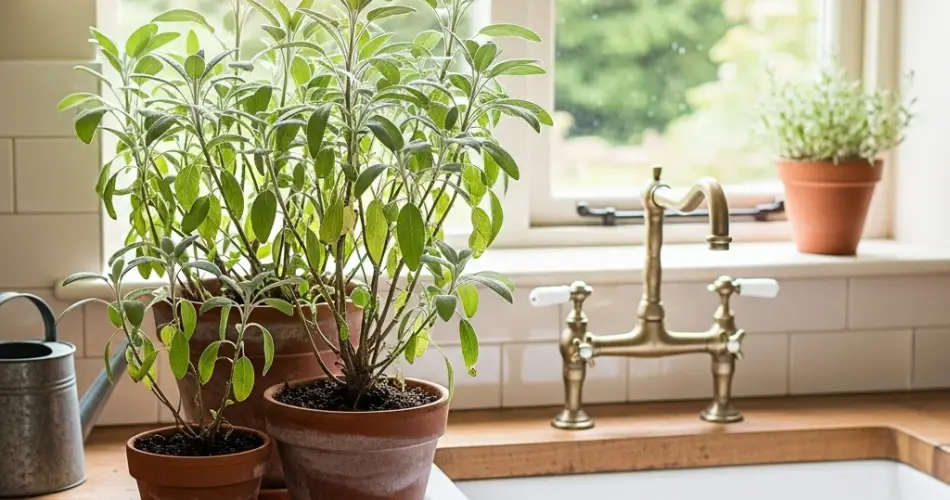
Sage is a fragrant, flavorful herb cherished in many kitchens for its earthy aroma and savory taste. It complements a variety of dishes, from roasted meats to stuffing and sauces. Growing sage indoors, especially near your kitchen sink, offers convenient access to fresh leaves right when you need them. This guide will walk you through the essentials of growing sage indoors beside your kitchen sink, including the best container, soil, light, and care tips to keep your plant thriving and your cooking flavorful.
Why Grow Sage Indoors Near the Kitchen Sink?
Growing sage indoors near the kitchen sink offers unique benefits:
-
Convenient Access: Fresh sage leaves are always within reach for cooking or garnishing.
-
Easy Watering: Proximity to the sink makes watering straightforward, reducing mess or hassle.
-
Space-Saving: Ideal for small kitchens or homes without outdoor garden space.
-
Indoor Ambiance: Sage adds greenery and a pleasant aroma to your kitchen environment.
Choosing the Right Sage Variety for Indoor Growing
Several sage varieties do well indoors, but some are especially suited for container gardening:
-
Common Garden Sage (Salvia officinalis): Classic culinary sage with gray-green leaves and strong flavor.
-
Purple Sage: Decorative with purple leaves and a similar flavor profile.
-
Golden Sage: Bright golden-yellow foliage adds a splash of color.
-
Variegated Sage: Leaves with green and white patterns, both attractive and edible.
Selecting a compact variety helps manage growth in indoor spaces.
Selecting the Best Container for Sage
The container plays a critical role in sage’s health indoors:
-
Size: Use a pot at least 8-10 inches in diameter and depth to accommodate roots.
-
Material: Terracotta pots are breathable and help soil dry between watering, reducing root rot risks. Plastic pots retain moisture longer.
-
Drainage: Ensure the pot has sufficient drainage holes to prevent waterlogging.
Soil Requirements for Growing Sage
Sage prefers well-draining soil with moderate fertility:
-
Soil Mix: Use a light, sandy potting mix with added perlite or coarse sand to enhance drainage.
-
pH Preference: Slightly acidic to neutral soil, ideally between pH 6.0 and 7.0.
-
Nutrients: Sage does not require heavy fertilization. A light feeding with balanced fertilizer once every 4-6 weeks supports healthy growth.
Planting and Propagating Sage
You can start sage indoors from seeds, cuttings, or nursery plants:
-
Seeds: Sow seeds lightly on the soil surface, covering with a thin layer of soil. Keep moist until germination (10-14 days).
-
Cuttings: Root cuttings in water or moist soil before transplanting to pots.
-
Seedlings: Transplant small nursery-grown plants into your chosen container.
Light Requirements for Sage
Light is a key factor in keeping your sage healthy indoors:
-
Sunlight: Sage needs at least 6 hours of direct sunlight daily. Place your pot near a south or west-facing window for maximum light.
-
Supplemental Lighting: In lower-light kitchens or during winter months, supplement natural light with LED or fluorescent grow lights for 10-12 hours per day.
-
Rotation: Rotate your sage plant regularly to promote even growth and prevent leaning toward the light.
Watering Sage Near Your Kitchen Sink
Watering sage properly ensures vibrant growth:
-
Watering Frequency: Allow the top inch of soil to dry between watering. Overwatering can cause root rot.
-
Method: Water deeply but avoid leaving water sitting in the saucer. Use the convenience of the sink to drain excess water easily.
-
Humidity: Sage prefers moderate to low humidity; avoid overly moist environments.
Pruning and Harvesting Sage
Maintaining your sage plant includes regular pruning and harvesting:
-
Pruning: Trim your plant regularly to promote bushier growth and prevent it from becoming leggy.
-
Harvesting: Start harvesting when plants are at least 6 inches tall. Snip leaves or small branches as needed, but avoid taking more than one-third of the plant at a time.
-
Flower Removal: Remove flowers if you want to prolong leaf production since flowering can reduce leaf quality.
Common Problems and Solutions
-
Leggy Growth: Often due to inadequate light. Move your sage to a brighter spot or use grow lights.
-
Yellow Leaves: May indicate overwatering or poor drainage. Adjust watering habits and check drainage.
-
Pests: Sage is relatively pest-resistant but can attract spider mites or aphids. Treat infestations with insecticidal soap or neem oil.
-
Fungal Diseases: Good air circulation and avoiding wet leaves help prevent mildew and root rot.
Benefits of Growing Sage Indoors by Your Sink
-
Fresh Flavor: Homegrown sage offers superior aroma and taste.
-
Low Maintenance: Once established, sage requires minimal care.
-
Kitchen Aesthetic: Adds a fresh, green element to your kitchen décor.
-
Air Quality: Sage can improve indoor air with its aromatic oils.
Tips for Long-Term Sage Success
-
Rotate Your Plant: Turn the pot regularly for even light distribution.
-
Repotting: Refresh soil and repot every 1-2 years to keep roots healthy.
-
Companion Herbs: Consider growing other kitchen herbs like thyme, rosemary, or parsley nearby for a vibrant kitchen garden.
-
Regular Care: Consistent watering, pruning, and light will keep your sage thriving.
Conclusion
Growing sage beside your kitchen sink is a practical and enjoyable way to keep this flavorful herb fresh and handy. With the right pot, well-draining soil, ample light, and proper watering, your indoor sage plant will flourish and provide delicious leaves year-round. Whether you’re seasoning your favorite dishes or adding a fresh aroma to your kitchen, sage grown indoors near your sink is a convenient and rewarding gardening project.


