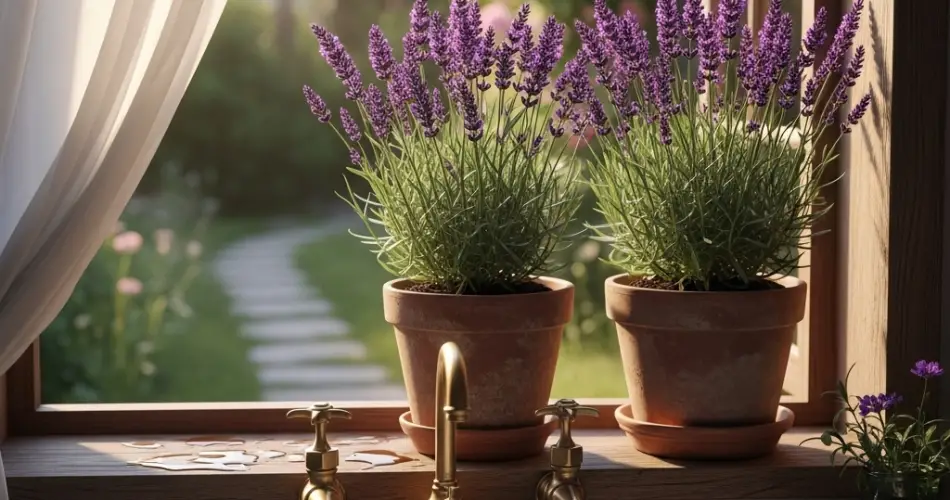
Lavender is a beautifully fragrant herb celebrated for its calming aroma and delicate purple flowers. Widely used in teas, aromatherapy, and cooking, lavender brings a soothing touch to both your palate and your home environment. Growing lavender indoors, especially near your tea station, allows you to harvest fresh blooms and leaves easily, enhancing your tea rituals with natural flavor and fragrance.
This article provides practical tips for successfully cultivating lavender indoors beside your tea station, helping you enjoy fresh lavender year-round.
Why Grow Lavender Indoors Near Your Tea Station?
Growing lavender indoors offers several benefits:
-
Convenience: Fresh lavender is readily available for brewing tea or infusing water.
-
Year-Round Enjoyment: Indoor plants thrive regardless of outdoor seasons.
-
Space Efficient: Ideal for kitchens or homes without garden space.
-
Aromatic Ambiance: Lavender’s scent promotes relaxation and adds pleasant fragrance to your tea area.
-
Decorative Appeal: Its lovely purple blooms and silvery foliage enhance your space’s aesthetics.
Choosing the Right Container
Selecting an appropriate pot is essential for indoor lavender success:
-
Size: Lavender has a moderate root system; a pot 8 to 10 inches deep and wide provides adequate room.
-
Material: Terracotta pots are ideal for their breathability and moisture control. Plastic or ceramic pots with good drainage holes also work.
-
Drainage: Ensure the pot has sufficient drainage to prevent waterlogging, which lavender dislikes.
Soil Requirements
Lavender prefers well-draining, slightly alkaline soil:
-
Use a high-quality potting mix blended with sand or perlite to improve drainage.
-
Avoid heavy or moisture-retentive soils that can cause root rot.
Selecting Lavender Varieties for Indoors
Some lavender varieties are better suited for indoor growing:
-
English Lavender (Lavandula angustifolia): Known for its fragrance and compact size.
-
French Lavender (Lavandula dentata): Features serrated leaves and a slightly different aroma.
-
Spanish Lavender (Lavandula stoechas): Unique flower shape with colorful bracts.
-
Dwarf Varieties: Smaller cultivars like ‘Little Lottie’ or ‘Hidcote’ are perfect for containers.
Choose a variety that fits your space and fragrance preference.
Planting Lavender
Lavender can be grown from seeds, cuttings, or nursery plants:
-
Seeds: Sow seeds in well-draining soil and keep moist until germination, which can take up to 3 weeks. Seedlings are slow-growing, so patience is key.
-
Cuttings: Root lavender cuttings in water or soil for faster results.
-
Transplants: Purchase healthy starter plants and transplant them into your pot.
Light Requirements
Lavender requires bright, direct light to flourish indoors:
-
Place your pot near a south- or west-facing window with at least 6 to 8 hours of direct sunlight daily.
-
Use grow lights if natural light is insufficient, providing 12 to 14 hours of light daily.
Watering and Humidity
Lavender prefers relatively dry conditions:
-
Water thoroughly when the top inch of soil is dry.
-
Avoid overwatering, as lavender is sensitive to soggy soil and root rot.
-
Good air circulation helps prevent fungal diseases.
-
Lavender tolerates average indoor humidity and generally does not need misting.
Fertilizing Lavender
Lavender is a light feeder:
-
Use a balanced, water-soluble fertilizer diluted to half strength once a month during the growing season.
-
Avoid over-fertilizing to prevent weak, leggy growth.
Pruning and Harvesting Lavender
Regular pruning encourages compact growth and prolongs plant life:
-
Trim spent flower stalks to encourage new blooms.
-
Cut back stems by about one-third in early spring or after flowering to maintain shape.
-
Harvest flowers when buds are fully formed but before they open for best fragrance.
Common Challenges and Solutions
-
Leggy Growth: Caused by insufficient light; move plants to brighter spots or use supplemental lighting.
-
Yellowing or Wilting Leaves: May indicate overwatering; adjust watering schedule and improve drainage.
-
Pests: Watch for aphids or spider mites; treat with insecticidal soap or wipe leaves.
-
Fungal Diseases: Avoid wetting foliage and provide good air circulation to prevent mold.
Benefits of Growing Lavender Indoors
-
Freshness: Harvest fresh lavender for teas, sachets, or aromatherapy.
-
Relaxation: Lavender’s scent promotes calm and reduces stress.
-
Decor: Adds beautiful blooms and silvery foliage to your tea station.
-
Sustainability: Growing your own herbs reduces waste and packaging from store-bought products.
Conclusion
Growing lavender indoors beside your tea station is a delightful way to enhance your daily rituals with fresh aroma and flavor. By selecting the right container, providing ample light, ensuring well-draining soil, and practicing proper watering and pruning, your indoor lavender plant will thrive.
Whether you brew a calming cup of lavender tea or simply enjoy the plant’s beauty and fragrance, having lavender at your tea station brings nature’s soothing touch into your home all year long.


