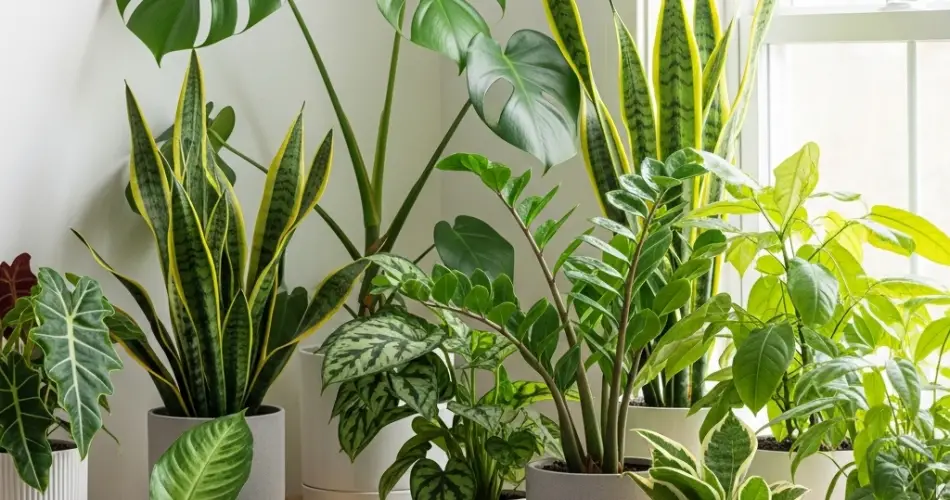
Indoor plants add beauty, freshness, and a touch of nature to any home. But did you know that some popular houseplants can grow and thrive in water alone, without any soil? Yes, cultivating plants hydroponically—meaning growing them in water—is easier than you might think, and it offers several benefits including cleaner maintenance and faster growth.
If you have indoor plants like pothos, lucky bamboo, or spider plants, switching to water cultivation can simplify your plant care routine while keeping your green friends healthy and vibrant. This guide explains which plants can grow well in water, how to set up water cultivation, and tips for ensuring successful growth without soil.
Why Grow Plants in Water?
Growing plants in water, also known as hydroponics or water propagation, has several advantages:
-
Less Mess: No soil means less dirt, making it ideal for indoor spaces and apartments.
-
Easier Monitoring: You can easily see root growth and spot any problems like rot or pests early on.
-
Faster Growth: Some plants grow quicker in water because they have easy access to oxygen and nutrients when properly managed.
-
Propagation: Water cultivation is a great way to multiply your plants by rooting cuttings before planting them in soil or keeping them growing in water.
Best Indoor Plants to Grow in Water
While not all plants thrive in water alone, many common indoor plants can flourish with proper care. Here are some favorites:
-
Pothos (Devil’s Ivy): Known for its trailing vines and heart-shaped leaves, pothos grows vigorously in water and is very forgiving.
-
Lucky Bamboo (Dracaena sanderiana): Although not a true bamboo, lucky bamboo is famous for thriving in water with pebbles for support.
-
Spider Plant (Chlorophytum comosum): Spider plants root easily in water and can live for extended periods without soil.
-
Philodendron: Many philodendron varieties propagate well in water and adapt easily to hydroponic growth.
-
Peace Lily: Can survive in water but requires attention to water quality and nutrients.
-
Coleus: A colorful plant that roots quickly in water, ideal for starting new plants.
-
English Ivy: This hardy vine roots well in water and is easy to care for.
How to Grow Plants in Water: Step-by-Step
-
Select Healthy Cuttings or Plants
Choose a healthy stem cutting or a young plant. For cuttings, make sure they have at least one or two nodes (small bumps where roots will form). -
Prepare the Container
Use a clear glass vase, jar, or bottle to hold the water and plant. A transparent container allows you to monitor root growth and water quality. -
Fill with Clean Water
Use filtered, distilled, or rainwater. Tap water often contains chlorine or fluoride, which can harm sensitive plants. Change the water every 1–2 weeks to prevent stagnation and bacteria buildup. -
Place the Cuttings in Water
Submerge the nodes where roots will grow while keeping leaves above water to avoid rot. -
Provide Proper Light
Most indoor plants grown in water prefer bright, indirect light. Avoid direct sunlight that can heat the water excessively or scorch leaves. -
Add Nutrients (Optional but Recommended)
Plants in water don’t get natural nutrients from soil. You can add a diluted liquid fertilizer every 2–4 weeks to supply essential minerals. -
Maintain and Monitor
Keep an eye on root health, remove any yellowing leaves, and replace water regularly. Clean the container to avoid algae buildup.
Common Issues and How to Fix Them
-
Root Rot: This occurs if water becomes stagnant or if leaves sit submerged. Change water often and keep leaves dry.
-
Algae Growth: Can turn water green and suffocate roots. Use opaque containers or place in indirect light.
-
Slow Growth: May need added liquid fertilizer or more light.
-
Yellowing Leaves: Could indicate nutrient deficiency or too much direct sunlight.
Benefits of Growing Plants in Water Indoors
-
Cleaner and Less Messy: No soil spills, making it perfect for desks, shelves, and small spaces.
-
Great for Beginners: Easier to propagate and monitor plants’ progress.
-
Decorative Possibilities: Transparent containers with visible roots and water create a modern, minimalist look.
-
Air Purification: Many water-grown plants still offer the same air-purifying benefits as soil-grown plants.
Tips for Success
-
Always start with healthy plants or cuttings.
-
Keep water fresh and clean for healthy roots.
-
Use containers that suit your décor but allow easy inspection of roots.
-
Rotate plants occasionally for even light exposure.
-
Experiment with adding small amounts of fertilizer to support nutrient needs.
-
Avoid overcrowding plants in one container.
When to Transition Back to Soil
While many plants can thrive in water for long periods, some eventually benefit from returning to soil to access a broader range of nutrients and for sturdier growth. Watch for signs like slowed growth or root discoloration as indicators.
Final Thoughts
Growing indoor plants in water is an enjoyable, low-maintenance way to keep greenery in your home. It’s particularly great for beginners or those with limited space who want a clean, attractive way to propagate and care for plants. With the right plants, proper water care, and light conditions, your indoor garden can flourish beautifully without soil.
Try switching some of your favorite indoor plants to water and experience the ease and beauty of soil-free gardening!


