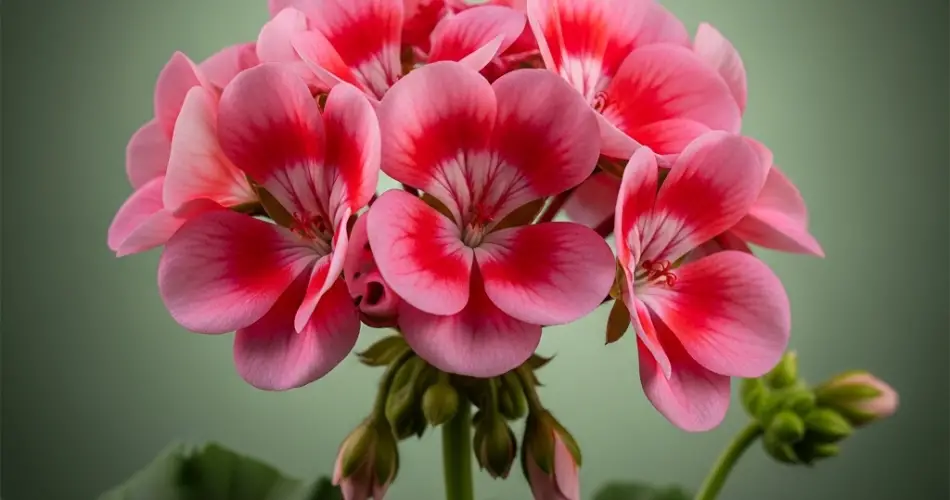
Geraniums are among the most popular flowering plants for gardens and containers worldwide, celebrated for their bright blooms and relatively easy care. However, before purchasing a geranium, it’s important to understand the specific type you are getting and the care it requires. This knowledge will help you ensure your plants thrive and provide vibrant flowers season after season.
In this article, we focus on zonal geraniums—one of the most common varieties—as well as how to differentiate geraniums from mallows, which are sometimes confused due to similar appearances and overlapping names. We also share practical care tips to keep your geraniums healthy and flourishing.
What Are Zonal Geraniums?
Zonal geraniums (Pelargonium × hortorum) are a popular group of garden geraniums known for their vibrant flower clusters and distinctive foliage marked by darker “zones” or bands on their leaves, which give them their name. These plants are typically grown as annuals in temperate climates but can be perennial in milder zones.
Zonal geraniums are favored for their colorful blooms in red, pink, white, purple, and bi-colors, and their ability to brighten patios, window boxes, and garden beds. They grow as compact, bushy plants, reaching heights between 12 and 24 inches (30-60 cm).
Geraniums vs. Mallows: What’s the Difference?
The term “geranium” is often used broadly, leading to confusion between true geraniums (genus Geranium, commonly called cranesbills) and zonal geraniums, which are actually part of the genus Pelargonium. Mallows (genus Malva) belong to a different group but sometimes are mistaken for geraniums because of similar flower shapes or names like “mallow geranium.”
Here are some differences:
-
Leaves: Zonal geranium leaves have distinct dark zones or markings. True geraniums have more finely divided leaves, while mallows usually have large, rounded, lobed leaves.
-
Flowers: Zonal geranium flowers are clustered in tight umbels with five petals, often vibrant and bold. Mallows have similar five-petal flowers but tend to be softer in color and shape.
-
Growth habit: Mallows can grow taller and more shrub-like, while zonal geraniums remain compact.
Understanding these differences will help you select the right plant and provide appropriate care.
Essential Care Tips for Zonal Geraniums
To ensure your zonal geranium thrives, consider these important care guidelines:
1. Light Requirements
Zonal geraniums love full sun but can tolerate partial shade. For best flowering, provide at least 6 hours of direct sunlight daily. In very hot climates, some afternoon shade helps prevent leaf scorch.
2. Watering
While geraniums prefer moist soil, they do not like to sit in soggy conditions. Water your plants when the top inch of soil feels dry, ensuring the pot or bed has good drainage. Overwatering can lead to root rot, a common issue with geraniums.
3. Soil
Use well-draining soil rich in organic matter. A balanced potting mix for flowering plants works well. Avoid heavy, water-retentive soils that keep roots too wet.
4. Temperature and Humidity
Zonal geraniums prefer moderate temperatures between 60-75°F (15-24°C). They are frost-sensitive, so protect them from cold snaps or bring container plants indoors during winter.
5. Fertilization
Feed your geraniums every 4-6 weeks during the growing season with a balanced liquid fertilizer high in phosphorus to promote blooming. Avoid over-fertilizing, which can cause lush foliage but fewer flowers.
6. Pruning and Deadheading
Regularly remove spent blooms (deadheading) to encourage continuous flowering. Pinching back leggy stems promotes bushier growth and prevents the plant from becoming sparse.
7. Pest and Disease Control
Watch for common pests like aphids, whiteflies, and spider mites. Use insecticidal soap or neem oil if infestations occur. Good air circulation and avoiding overhead watering reduce fungal diseases like powdery mildew.
Propagating Zonal Geraniums
Zonal geraniums are easy to propagate from cuttings:
-
Take 4-6 inch cuttings from healthy stems in spring or early summer.
-
Remove lower leaves and dip the cut end in rooting hormone (optional).
-
Plant cuttings in moist, well-draining soil or place in water until roots develop.
-
Keep cuttings in a bright, warm place away from direct sunlight until established.
Propagation allows you to multiply your geraniums and keep your garden vibrant year after year.
When to Buy Zonal Geraniums
The best time to purchase zonal geraniums is in spring after the danger of frost has passed. Buying healthy plants with vibrant leaves and multiple buds ensures you get a strong start for the growing season.
Final Thoughts
Zonal geraniums are rewarding and beautiful plants that add color and charm to any garden or indoor setting. Knowing how to differentiate them from mallows and understanding their care requirements helps you make an informed purchase and care for your plants successfully.
With adequate sunlight, proper watering, good soil, and routine maintenance, your zonal geraniums will flourish with bright blooms and healthy foliage. Whether you’re a beginner gardener or an experienced enthusiast, geraniums are a versatile and joyful addition to your plant collection.


