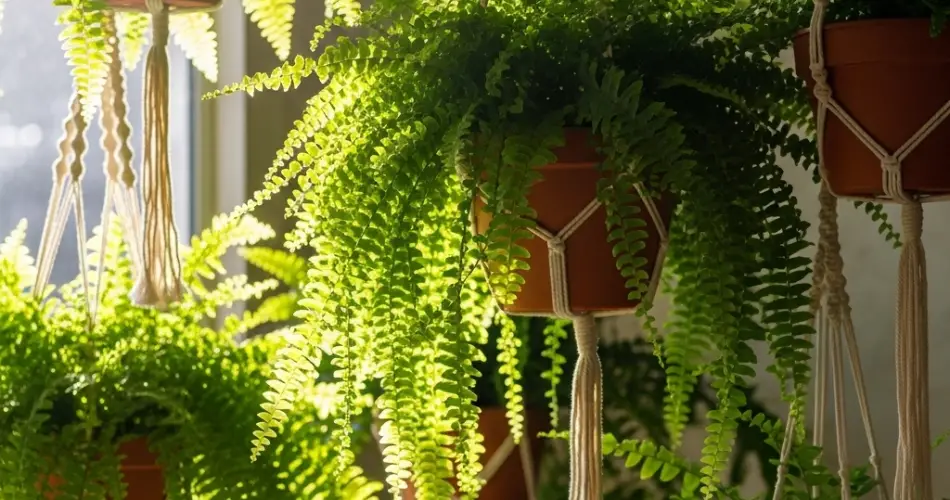
Ferns are beloved indoor plants thanks to their lush, delicate foliage and natural air-purifying qualities. But to keep them thriving, they require a bit more attention than your average houseplant—especially when it comes to watering and humidity. These tropical plants evolved in shaded, damp forest floors and depend on steady moisture and consistent humidity to maintain their signature softness and vibrant green color.
This article will guide you through how to properly water and mist ferns indoors, helping you create the ideal conditions they need to grow healthy and full year-round.
Understand Your Fern’s Moisture Needs
Ferns don’t like to dry out, but they also don’t want to sit in soggy soil. Striking the right balance between moisture and drainage is key. Most ferns prefer consistently moist soil, meaning the top of the soil should feel damp but not saturated.
Signs your fern is too dry:
-
Brown or crispy leaf edges
-
Drooping fronds
-
Pale or yellowing foliage
Signs of overwatering:
-
Mushy stems
-
Moldy soil surface
-
Yellowing lower leaves or root rot
Best Watering Techniques for Indoor Ferns
-
Check Soil Moisture Regularly
Stick your finger about an inch into the soil. If it feels dry at that depth, it’s time to water. Avoid waiting until the entire pot dries out, especially during warm or dry seasons. -
Use Room Temperature Water
Cold water can shock fern roots. Let tap water sit for a few hours before using to allow chlorine to evaporate and reach room temperature. -
Water Evenly and Thoroughly
Water until you see moisture draining from the bottom of the pot. This ensures the entire root system is getting hydrated. Empty the saucer afterward to avoid root rot. -
Bottom Watering as an Alternative
Place the pot in a shallow tray of water for 10–15 minutes to allow the roots to soak up moisture. This method is especially helpful if the soil has dried out too much and is repelling water.
How Often to Water Indoor Ferns
The frequency depends on:
-
Type of fern (Boston, Maidenhair, Asparagus, etc.)
-
Room temperature and humidity
-
Pot size and soil type
In general:
-
During spring and summer, water 2–3 times a week.
-
In fall and winter, reduce to once a week or as needed.
Always base your watering schedule on the actual soil condition rather than a fixed routine.
The Role of Humidity in Fern Health
Humidity is just as important as watering for ferns. Most ferns prefer humidity levels between 50–70%, which is higher than typical indoor environments, especially during winter when heating systems dry out the air.
Low humidity can result in:
-
Crispy leaf tips
-
Browning fronds
-
Slow or stunted growth
Misting Ferns the Right Way
Misting helps increase humidity around the fern, but it’s not a substitute for proper air moisture levels. Done correctly, it can temporarily relieve dryness and hydrate fronds.
Tips for effective misting:
-
Use a fine spray bottle to prevent water droplets from sitting too heavily on leaves.
-
Mist in the morning, allowing time for foliage to dry before nightfall.
-
Focus on the underside of fronds and the air around the plant—not just soaking the leaves.
Avoid misting during the evening or in poorly ventilated areas, as excess moisture can encourage fungal issues or mold.
Other Ways to Boost Humidity for Ferns
If your home’s humidity is consistently low, supplement misting with more reliable solutions:
-
Humidity Trays
Place the fern’s pot on a shallow tray filled with water and pebbles. As the water evaporates, it raises humidity around the plant. -
Group Plants Together
Placing several plants close to each other creates a microclimate of shared moisture, which benefits all nearby ferns. -
Room Humidifier
This is the most consistent and effective way to maintain humidity. Use it near your fern’s location, especially during dry seasons. -
Place in Naturally Humid Rooms
Kitchens and bathrooms often have higher humidity and are great spots for fern placement—provided there’s adequate light.
Bonus Tips for Perfect Fern Conditions
-
Use porous pots, like clay or terracotta, which allow air exchange but may require more frequent watering.
-
Choose a moisture-retentive soil, such as a peat-based mix, to hold just the right amount of water.
-
Keep away from direct heat or cold drafts, which can rapidly dry out both soil and air.
-
Trim dead or brown fronds to encourage new, healthy growth.
Conclusion
Maintaining proper watering and humidity is essential for lush, healthy ferns. While they do require a bit of extra attention, especially in drier indoor environments, they reward that care with stunning foliage and a serene, forest-like atmosphere. By regularly checking soil moisture, misting correctly, and boosting humidity through reliable methods, you’ll be able to keep your fern thriving and beautiful no matter the season.


