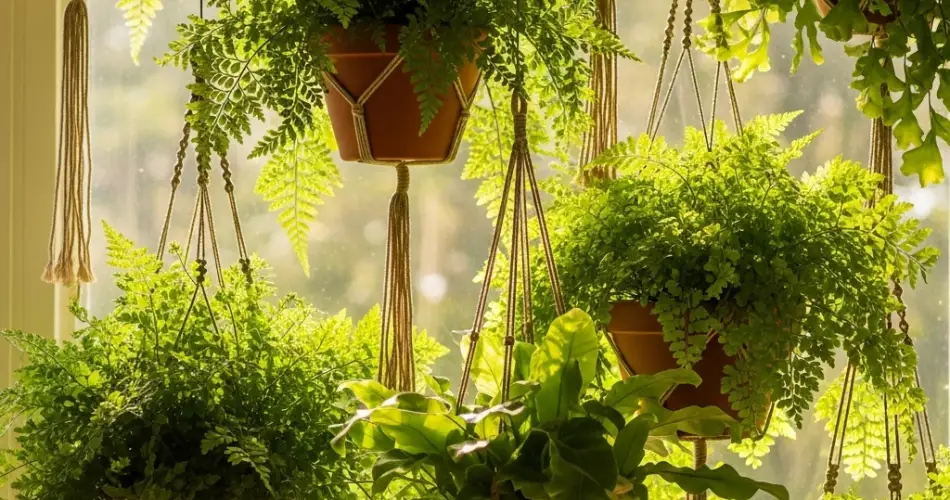
Indoor ferns bring elegance and lush greenery to any space, but they do need thoughtful care to truly thrive. Whether you’re growing a Boston fern, maidenhair, bird’s nest, or button fern, these moisture-loving plants have specific needs that must be met to prevent browning fronds and leaf drop. If you’ve struggled with keeping your ferns healthy in the past, don’t worry—by mastering a few key care strategies, your indoor ferns can stay full, vibrant, and beautiful all year round.
Here are 10 essential tips every fern lover should know:
1. Pick the Right Fern Variety
Not all ferns are created equal when it comes to indoor conditions. Some varieties are more tolerant of lower humidity and indoor light than others. If you’re just starting out, try beginner-friendly options like:
-
Boston Fern (Nephrolepis exaltata) – Great for hanging baskets with graceful, arching fronds.
-
Bird’s Nest Fern (Asplenium nidus) – Sturdier leaves and less fussy about humidity.
-
Button Fern (Pellaea rotundifolia) – Small and manageable, perfect for windowsills.
Avoid delicate species like maidenhair ferns if your space is very dry or you tend to forget watering.
2. Provide Bright, Indirect Light
Most ferns originate from forest understories, where dappled light filters through tree canopies. Indoors, they prefer bright but indirect light. Place your fern near an east-facing window or a few feet back from a south or west-facing window with sheer curtains. Avoid harsh midday sun, which can scorch the fronds.
3. Water Consistently (But Not Excessively)
Ferns dislike drying out completely, but they also hate soggy roots. The goal is evenly moist soil:
-
Check the top inch of soil regularly.
-
Water when it feels slightly dry—not completely dry or soaking wet.
-
Ensure the pot has good drainage to prevent water from pooling at the bottom.
Inconsistent watering is one of the main reasons ferns struggle indoors.
4. Increase Humidity
Most ferns prefer humidity levels of 50–60% or higher. Dry air causes browning and crispy leaves. To keep humidity up:
-
Mist the leaves daily or every other day.
-
Place the pot on a tray with pebbles and water (without submerging the pot).
-
Use a room humidifier, especially in air-conditioned or heated rooms.
Bathrooms and kitchens with filtered light can also provide ideal humid environments.
5. Keep Them Away from Drafts and Heaters
Ferns don’t respond well to sudden temperature shifts, cold drafts, or dry heat. Keep them away from:
-
Air conditioning vents
-
Radiators and heaters
-
Drafty windows and doors
The ideal temperature range is between 60°F and 75°F (15°C to 24°C), mimicking a mild forest climate.
6. Fertilize Lightly
Ferns don’t require heavy feeding. Overfertilizing can burn their sensitive roots and cause brown fronds. During spring and summer, feed once a month using a diluted balanced liquid fertilizer (at half strength). Skip feeding during fall and winter when the plant is less active.
7. Trim and Prune Regularly
To encourage healthy growth and maintain a tidy shape:
-
Trim yellow or brown fronds with clean scissors.
-
Remove dead leaves at the base to allow airflow and reduce disease.
-
Prune lightly to promote bushier, fuller growth.
Avoid cutting healthy fronds unless necessary, as over-pruning can stress the plant.
8. Repot When Crowded
Ferns usually need repotting every 1–2 years or when you see:
-
Roots growing out of drainage holes
-
Water running straight through without soaking the soil
-
The plant drying out too quickly
Use a pot one size larger and a well-draining mix that retains moisture, such as a blend of peat, perlite, and compost.
9. Watch for Pests
Ferns aren’t magnets for pests, but dry or stressed plants can attract:
-
Spider mites – Look for fine webbing and speckled fronds.
-
Mealybugs or scale – White fluff or brown bumps on stems and leaves.
Use insecticidal soap or neem oil, and increase humidity to deter infestations. Isolate affected plants to avoid spreading pests.
10. Rotate the Pot for Even Growth
Ferns naturally reach toward the light, so rotating the pot every week or two helps maintain a balanced, symmetrical shape. Without rotation, your fern may become lopsided or sparse on one side.
Final Thoughts
Indoor ferns may seem high-maintenance, but with these 10 smart care techniques, you can confidently grow thriving, healthy plants. By choosing the right fern, providing proper light, keeping soil evenly moist, and maintaining the right humidity, your indoor fronds will stay green, lush, and full of life. With a little regular attention, ferns will reward you with year-round beauty and a refreshing natural touch in your home.


