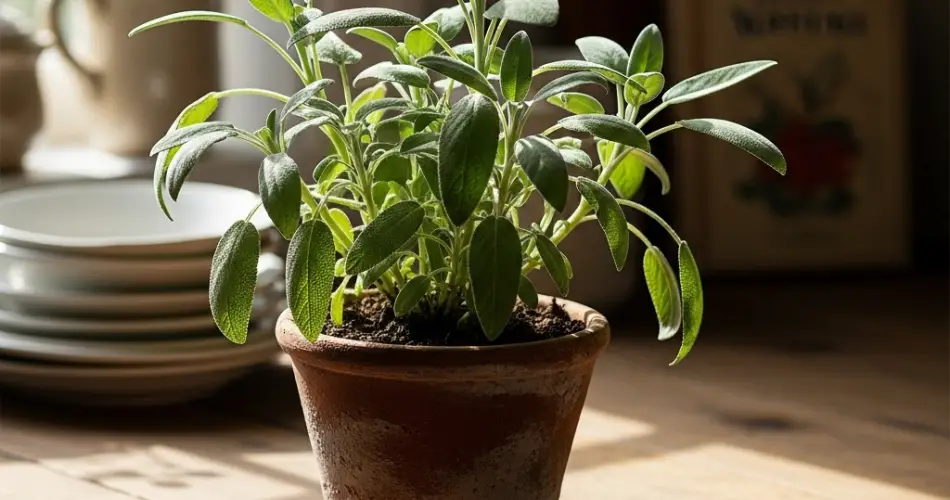
Fresh herbs have a way of transforming ordinary meals into something memorable, and sage is no exception. Known for its earthy, peppery, and slightly pine-like flavor, sage has been used in kitchens around the world for centuries. Growing it on your kitchen shelf or windowsill makes this versatile herb available at a moment’s notice, whether you want to enhance roasted vegetables, craft a hearty soup, or infuse oils for cooking. Having fresh sage within arm’s reach ensures you always have a flavorful ingredient ready to elevate everyday dishes.
Why Choose Fresh Sage Over Dried?
While dried sage is widely available, its flavor is more concentrated and sometimes bitter compared to fresh leaves. Fresh sage, on the other hand, offers a softer, more nuanced taste that blends beautifully into recipes. When you grow sage indoors, you gain the flexibility to pick just what you need—whether a single leaf for a delicate sauce or a small handful for a stuffing. This freshness brings balance to your meals and allows you to experiment with flavor in a way that pre-packaged herbs cannot.
Preparing Sage for Cooking
Before using sage in recipes, give the leaves a gentle rinse under cool water and pat them dry. Depending on the dish, you can use sage leaves whole, finely chopped, or crisped in oil or butter. A little sage goes a long way, so start with a small amount and adjust according to taste. Its strong aroma means that even one or two leaves can transform a dish.
Cooking with Sage in Everyday Meals
1. Flavoring Meats
Sage pairs wonderfully with poultry, pork, and lamb. For roast chicken or turkey, tuck fresh sage leaves under the skin or place sprigs in the cavity before roasting. When preparing pork chops or lamb, rub them with chopped sage mixed with garlic and olive oil for an herbaceous crust.
2. Enhancing Vegetables
Sage has a way of adding warmth to vegetable dishes. Toss cubed butternut squash or sweet potatoes with olive oil and fresh sage leaves before roasting, and the result will be rich and aromatic. Sage also blends beautifully with mushrooms, making it an excellent addition to sautés, risottos, or pasta dishes.
3. Infusing Butter and Oils
One of the simplest ways to use kitchen-grown sage is to make sage butter or sage oil. Heat butter in a pan and add fresh sage leaves until they crisp and release their flavor. The infused butter can be drizzled over pasta, gnocchi, or vegetables. Similarly, fresh sage leaves steeped in warm olive oil create a fragrant base for salad dressings or marinades.
4. Adding Depth to Soups and Stews
Fresh sage leaves are a natural fit for hearty soups and stews. Drop a few leaves into a simmering pot of minestrone, bean stew, or chicken soup to add depth and complexity. Just remember to remove whole leaves before serving, as their strong flavor can dominate the dish if left too long.
5. Baking and Breadmaking
Sage can be incorporated into savory breads, biscuits, or cornbread to add a subtle herbal note. Finely chop fresh leaves and fold them into the dough before baking. Sage pairs especially well with cheese, making it a great addition to scones or flatbreads.
6. Herbal Teas and Infusions
Beyond savory dishes, sage can also be used in drinks. A few fresh leaves steeped in hot water create a soothing herbal tea known for its calming and digestive properties. You can combine sage with lemon, honey, or even mint to balance its strong flavor.
Tips for Using Fresh Sage
-
Balance is key: Sage has a bold flavor, so use it sparingly until you get a feel for how much works in different recipes.
-
Pair with complementary herbs: Sage pairs well with rosemary, thyme, and parsley, especially in Mediterranean or roasted dishes.
-
Use whole leaves for subtlety: Adding whole leaves to soups or roasts gives a gentle flavor, while chopped leaves release stronger aromas.
-
Try crispy sage leaves: Lightly frying sage leaves in oil creates a crunchy garnish for pasta, meats, or creamy soups.
Harvesting from Your Indoor Plant
Growing sage in the kitchen means you’ll always have fresh leaves ready for cooking. Harvest leaves from the outer stems, leaving the center intact to encourage growth. Regular harvesting actually helps the plant stay bushy and productive. You can use freshly picked leaves immediately, refrigerate them for a few days, or dry extras for later use.
Final Thoughts
Kitchen-grown sage is more than just a herb—it’s a culinary companion that makes everyday meals richer, warmer, and more flavorful. From roasted meats and vegetables to infused oils and teas, sage offers endless possibilities. Keeping a pot on your kitchen shelf ensures you always have this versatile ingredient within reach. With just a few leaves, you can transform simple recipes into something extraordinary and enjoy the satisfaction of cooking with herbs you’ve grown yourself.


