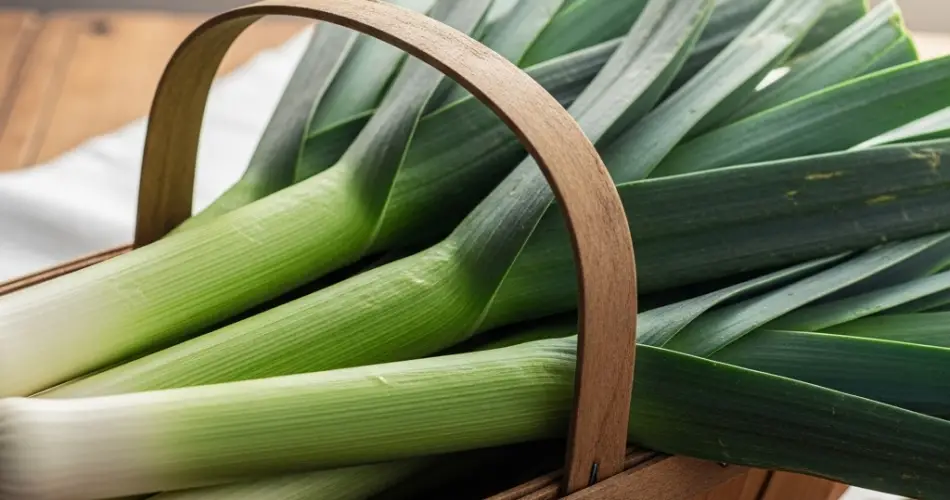
Leeks are a cool-weather crop loved for their subtle onion-like flavor and versatility in cooking. While they can be grown from seed in place, transplanting leeks is a common and often necessary method for gardeners who want to get a head start indoors or maximize space. However, leeks have delicate roots and narrow stems, so improper handling can lead to transplant shock or stunted growth. With the right approach, you can transplant leeks successfully and grow a healthy, productive crop.
Why Transplant Leeks?
Leeks take a long time to mature—typically 90 to 120 days. Starting them indoors in trays allows gardeners to control early growth conditions, protect seedlings from pests, and free up valuable garden space for quick-growing crops like lettuce or radishes in early spring. Once the leeks reach the right size, they can be transplanted into their final growing location.
Transplanting also allows you to plant the seedlings deeper, which is key to developing long, white, tender stalks—something that’s hard to achieve if leeks are grown entirely in place.
When to Transplant Leeks
Leek seedlings should be ready for transplanting when they are about the thickness of a pencil and 6 to 8 inches tall. This usually takes 8–10 weeks from seed. The timing depends on your local climate, but a good rule of thumb is to transplant them outdoors about 2 to 3 weeks before your last expected frost date. Leeks are cold-hardy and can tolerate some frost, so an early transplant is generally safe.
Preparing Leek Seedlings
Before transplanting, it’s essential to prepare your leek seedlings properly to ensure they survive the move:
-
Harden off the seedlings: Begin hardening them off about a week before transplanting. Set the trays outdoors for a few hours each day, gradually increasing the time and exposure to wind and sun. This helps the plants adapt to outdoor conditions.
-
Trim roots and tops (optional): Some gardeners choose to trim the roots to about 1 inch and snip off the tops to 4–6 inches. This practice can reduce transplant shock and encourage the plant to focus on root establishment. However, it’s not strictly necessary.
-
Water well before transplanting: Ensure the seedlings are moist before removing them from the tray. This makes them easier to remove and reduces root disturbance.
Preparing the Planting Site
Choose a sunny location with rich, well-draining soil. Loosen the soil to a depth of at least 8 inches and mix in compost or well-rotted manure to improve fertility.
Leeks prefer soil that retains moisture but doesn’t become soggy. A slightly acidic to neutral pH (6.0–7.0) is ideal.
How to Transplant Leeks
The traditional method for transplanting leeks involves a process called “dibbing,” which encourages the leeks to grow long, blanched stems.
-
Make deep holes: Use a dibber (or the handle of a garden tool) to make holes 6–8 inches deep and spaced 6 inches apart. Leave about 12 inches between rows to give the plants room to grow.
-
Insert the seedlings: Gently place one leek seedling into each hole. Don’t press the soil around the plant. Instead, water each hole thoroughly after planting. This will settle the soil around the roots without compacting it, allowing the plant to grow down and form a thick stem.
-
Mulch (optional): Apply a light layer of mulch around the leeks to conserve moisture and suppress weeds.
Caring for Transplanted Leeks
-
Water regularly: Keep the soil consistently moist, especially during dry periods. Leeks need steady moisture to develop thick, juicy stems.
-
Feed periodically: Apply a balanced organic fertilizer every few weeks to encourage steady growth. Compost tea or diluted liquid seaweed are good natural options.
-
Earth up for longer stems: As the leeks grow, mound soil or mulch around the base of the plants. This “blanching” process excludes light and produces the long white shafts that are prized in the kitchen.
-
Weed carefully: Leeks don’t compete well with weeds, especially when young. Hand-pull weeds to avoid disturbing shallow roots.
Common Mistakes to Avoid
-
Transplanting too early: If the soil is too cold or wet, seedlings may rot or stop growing.
-
Planting too shallow: Leeks benefit from being planted deep to promote blanching.
-
Overcrowding: Give each plant enough space to grow thick stems.
-
Skipping hardening off: Moving seedlings directly from indoors to outdoors without acclimation can cause shock and slow growth.
Harvesting
Leeks are ready to harvest when they reach 1 inch in diameter, though you can harvest them earlier for a milder flavor. Use a garden fork to loosen the soil before pulling them up to avoid damaging the roots.
Transplanting leeks doesn’t have to be difficult. With a little preparation, careful handling, and consistent care, your leeks will thrive in their new environment, rewarding you with flavorful, tender stalks throughout the season.