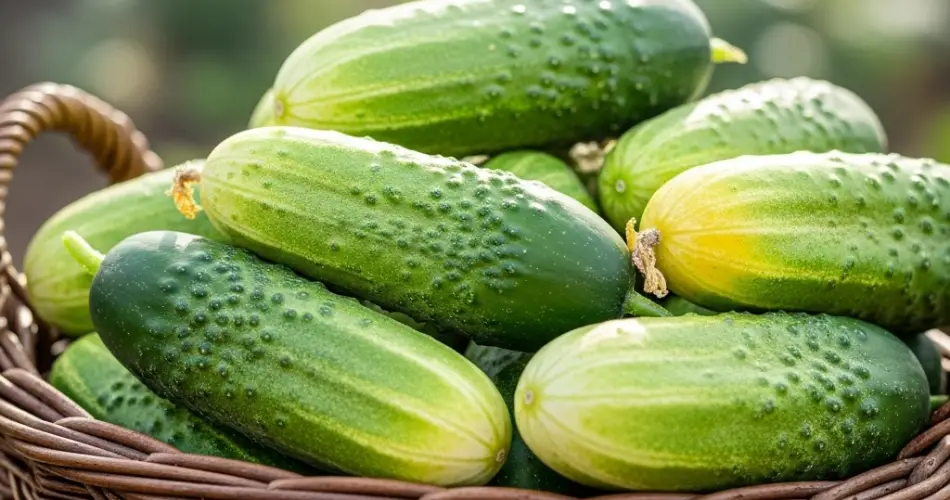
Cucumbers are a rewarding crop to grow, especially when they produce bountiful, crisp fruits. However, poor pollination can result in misshapen cucumbers, low yields, or even complete crop failure. Inadequate pollination is often caused by a lack of pollinators like bees and butterflies, especially in urban or indoor settings. Fortunately, you can take matters into your own hands and pollinate cucumbers manually to ensure a generous and healthy harvest.
Understanding Cucumber Flowers
Before you begin hand-pollinating, it’s important to understand the difference between male and female cucumber flowers. Cucumbers produce both on the same plant, and each plays a unique role in the pollination process.
-
Male flowers are the first to appear and grow in clusters. They have a thin stem and contain pollen-producing anthers.
-
Female flowers appear slightly later and are easy to identify by the tiny fruit (the ovary) at the base of the blossom. These flowers contain a stigma, which receives the pollen.
Pollination occurs when pollen from the male flower is transferred to the stigma of the female flower. This triggers fruit development.
When to Hand-Pollinate
The best time to hand-pollinate cucumbers is in the early morning, ideally between 6 AM and 9 AM. This is when the flowers are open and the pollen is most viable. Cucumber flowers open for only one day, so regular observation is essential to catch them at the right moment.
Keep an eye out for fresh, open flowers. If the female flowers do not get pollinated within their short bloom time, the tiny fruit behind the blossom may shrivel and fall off.
Tools You’ll Need
You don’t need any special equipment to hand-pollinate, but these items can help:
-
A small, soft paintbrush or cotton swab
-
A pair of clean hands or tweezers
-
Optional: Labeling materials if you want to track which flowers have been pollinated
Always make sure your tools are clean to avoid spreading disease between flowers.
Step-by-Step Guide to Hand Pollinating Cucumbers
1. Identify Male and Female Flowers
Start by locating both flower types on your cucumber plant. Male flowers will be on thinner stems and lack the swelling behind the blossom. Female flowers will have a small immature cucumber just beneath the flower petals.
2. Collect Pollen from the Male Flower
Using your brush or cotton swab, gently rub it inside the male flower to pick up the yellow pollen from the anthers. If you prefer, you can remove the male flower entirely, peel back the petals, and use the anther directly.
3. Transfer Pollen to the Female Flower
Carefully dab the brush or swab onto the stigma of the female flower. The stigma usually has three lobes, and it’s ideal to touch all of them to ensure full pollination. If using a whole male flower, simply rub the anther directly onto the stigma of the female flower.
4. Repeat the Process
Continue this process with all available female flowers. One male flower can pollinate multiple female flowers, but for best results, use fresh pollen each time.
5. Mark the Pollinated Flowers (Optional)
If you want to monitor which flowers you’ve already pollinated, tie a small string or place a marker near them. This can help you track progress and avoid repeat pollination.
Signs of Successful Pollination
After a few days, you’ll notice the tiny cucumber behind the female flower beginning to grow. This is a clear sign that pollination was successful. If the mini cucumber turns yellow or shrivels, it likely didn’t receive enough pollen.
Benefits of Hand Pollination
-
Increased yield: Manual pollination can lead to more fruit and better-shaped cucumbers.
-
Controlled results: You ensure that each flower receives adequate pollen, especially helpful in greenhouses or poorly ventilated spaces.
-
Boosts fruit quality: Proper pollination results in uniform, full-sized cucumbers with better taste and texture.
Additional Tips for Bigger Harvests
-
Grow multiple cucumber plants to increase the number of flowers available for pollination.
-
Make sure your plants receive adequate water and nutrients—healthy plants produce more flowers.
-
Prune overcrowded leaves to improve air circulation and flower visibility.
-
Encourage pollinators naturally by planting companion flowers like marigolds or nasturtiums nearby, even if you still plan to pollinate by hand.
Hand pollinating cucumbers is a simple technique that can dramatically improve your garden’s productivity. By taking a few minutes each morning during the blooming period, you can enjoy a more consistent and abundant harvest—regardless of the number of bees buzzing around your yard.


