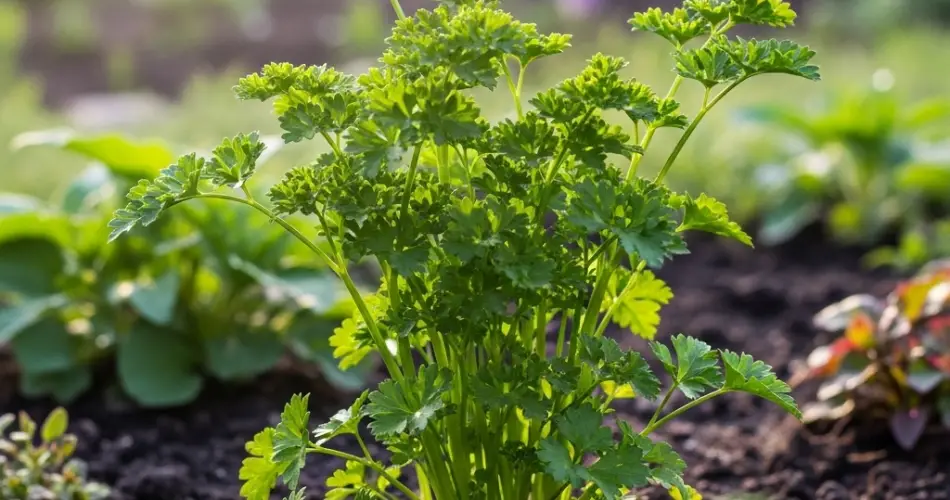
Parsley is one of the most versatile, fragrant, and easy-to-grow herbs that can instantly elevate your backyard garden. Whether you’re an experienced gardener or a complete beginner, cultivating parsley requires minimal effort but rewards you with fresh, vibrant greens that enhance your cooking and garden aesthetics alike.
In this guide, you will learn how to grow parsley effortlessly in your backyard, maintain it year-round, and transform your garden space into a lush, fragrant herb haven with zero hassle.
Why Grow Parsley in Your Backyard?
Parsley is not only a culinary staple but also an excellent companion plant in gardens. It attracts beneficial insects like ladybugs and hoverflies, which help control pests naturally. Plus, parsley is packed with vitamins A, C, and K, making it a nutritious addition to your meals.
Because parsley grows easily in various climates and soil types, it is perfect for backyard gardens, even if you have limited space or gardening experience.
Choosing the Right Parsley Variety
There are two main types of parsley to consider for your garden:
-
Curly leaf parsley: Known for its bright green, ruffled leaves, it is often used as a garnish.
-
Flat-leaf (Italian) parsley: Favored by chefs for its stronger flavor and ease of chopping.
Flat-leaf parsley tends to grow more vigorously and is generally recommended for gardeners who want a high yield with minimal maintenance.
Preparing Your Backyard for Parsley Planting
Parsley thrives in well-drained soil rich in organic matter. Before planting, prepare your garden bed by:
-
Loosening the soil to a depth of about 8-10 inches.
-
Mixing in compost or aged manure to improve fertility.
-
Ensuring the area receives at least 4 to 6 hours of sunlight daily. Parsley tolerates some shade but performs best with moderate sunlight.
Planting Parsley with Zero Hassle
You can start parsley from seeds or transplants. Here’s how to do it effortlessly:
-
Seeds: Soak seeds overnight to speed up germination, then sow them ¼ inch deep in rows spaced 8-10 inches apart. Keep the soil consistently moist until seedlings emerge in 2-3 weeks.
-
Transplants: Purchase young parsley plants from nurseries and plant them directly in your prepared bed, spacing them about 8-10 inches apart.
Mulching around the plants with straw or shredded leaves helps retain moisture and keeps weeds at bay, minimizing your maintenance work.
Watering and Feeding Parsley
Parsley requires regular watering to keep the soil evenly moist but not soggy. In dry weather, water deeply once or twice a week, depending on your local climate.
Feed parsley with a balanced, water-soluble fertilizer once a month during the growing season. Alternatively, organic options like compost tea or fish emulsion promote healthy growth without fuss.
Harvesting Parsley for Maximum Yield
You can start harvesting parsley once the plants reach about 6 inches tall. Use scissors to cut the outer leaves first, allowing the center to continue growing. This method encourages continuous production and ensures a steady supply of fresh parsley.
Harvesting regularly prevents the plant from flowering too soon, which can reduce leaf quality and taste. For the best flavor, pick parsley in the morning when oils are most concentrated.
Pest and Disease Management Made Easy
Parsley is generally pest-resistant but can occasionally attract aphids, caterpillars, or fungal issues. Here’s how to handle these with minimal hassle:
-
Use a strong spray of water to dislodge aphids.
-
Introduce beneficial insects like ladybugs to your garden.
-
Avoid overhead watering to reduce fungal diseases.
-
Remove any affected leaves promptly.
These simple steps keep your parsley healthy without chemical interventions.
Extending Parsley’s Growing Season
Parsley is a biennial but is usually grown as an annual. To enjoy parsley year-round:
-
Sow new seeds every few months to maintain a continuous supply.
-
In colder climates, protect plants with mulch or row covers during winter.
-
Consider growing parsley in containers indoors during winter to keep fresh herbs handy.
Using Parsley Beyond the Kitchen
Parsley adds more than flavor to your meals. It also:
-
Enhances the beauty of your garden with its lush green foliage.
-
Attracts pollinators and beneficial insects.
-
Can be used in homemade herbal remedies and teas.
Growing parsley in your backyard is a small change that transforms your garden and lifestyle.
Final Tips for Zero-Hassle Parsley Gardening
-
Choose a sunny, well-drained spot in your backyard.
-
Use mulch to reduce watering frequency and control weeds.
-
Harvest regularly to encourage bushy growth.
-
Monitor for pests occasionally and act early.
By following these straightforward steps, you’ll enjoy fresh parsley from your backyard garden all year long, transforming your outdoor space into a vibrant, aromatic oasis with minimal effort.


