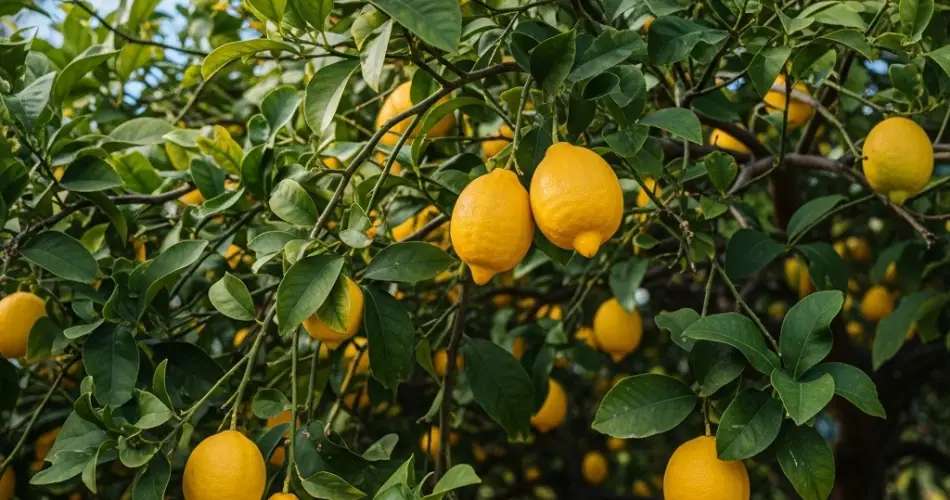
Growing a lemon tree is an incredibly rewarding experience. Whether you have a spacious garden or just a sunny balcony, harvesting your own lemons can bring fresh flavor to your kitchen and a sense of accomplishment. Even if you have no previous gardening experience, harvesting lemons successfully is easy once you understand the basics.
This guide will walk you through how to know when your lemons are ready to harvest, the best techniques for picking them, and tips to keep your lemon tree healthy and productive for years to come.
Why Harvesting Your Own Lemons Is Worth It
Homegrown lemons are more flavorful and aromatic than store-bought ones, often offering better acidity and sweetness. Plus, harvesting your own lemons ensures you get fresh, pesticide-free fruit and adds a personal touch to your meals and drinks.
Moreover, caring for and harvesting lemons teaches valuable gardening skills and connects you with nature, even if you’re a total beginner.
When Are Lemons Ready to Harvest?
The key to harvesting lemons successfully is picking them at the right time. Ripe lemons have reached full size and developed their characteristic color, depending on the variety.
-
Size: Most lemons are ready to harvest when they reach about 2 to 3 inches in diameter.
-
Color: Look for lemons that have a bright yellow hue with little to no green patches. Some varieties may have a slightly green tinge even when ripe, so size and firmness also matter.
-
Firmness: Gently squeeze the lemon; it should feel firm but have a slight give. Avoid harvesting hard, green lemons as they are not yet ripe.
-
Time: Depending on your climate, lemons usually mature about 6 to 9 months after flowering. Many lemon trees produce fruit year-round in mild climates, but harvesting peaks in late winter through summer.
If you’re unsure, pick one lemon and taste it. If it’s sour but juicy and flavorful, the rest are likely ready.
Preparing to Harvest Lemons
Before you start picking, have the right tools and approach ready:
-
Tools: Use clean, sharp pruning shears or garden scissors. Avoid twisting or pulling lemons, as this can damage the tree.
-
Timing: Harvest in the morning or late afternoon when temperatures are cooler to avoid stressing the tree.
-
Safety: If your tree is tall, use a sturdy ladder or fruit picker to reach higher branches safely.
How to Harvest Lemons Properly
To harvest lemons without damaging your tree or the fruit, follow these steps:
-
Locate ripe lemons: Identify lemons with full size and color.
-
Cut stems carefully: Use pruning shears to snip the stem about ¼ inch above the fruit. Avoid tugging or pulling, which can break branches or cause bruising.
-
Handle gently: Place harvested lemons in a basket or container with soft lining to prevent bruising.
-
Check for pests or damage: Avoid picking any lemons that show signs of rot or insect damage to keep your harvest clean.
Post-Harvest Care for Your Lemons
Once harvested, lemons continue to ripen slightly at room temperature, so if they seem a bit tart, leave them out for a few days before use.
Store lemons in the refrigerator for up to a month to retain freshness, or freeze lemon juice and zest in ice cube trays for long-term use.
Maintaining Your Lemon Tree After Harvest
Harvesting is only part of the lemon growing process. To ensure your tree remains healthy and productive:
-
Watering: Maintain consistent watering, especially during dry periods. Deep watering encourages strong roots.
-
Fertilizing: Feed your lemon tree with a citrus-specific fertilizer three times per year to replenish nutrients.
-
Pruning: After harvesting, prune dead or crowded branches to improve air circulation and sunlight penetration.
-
Pest control: Regularly inspect your tree for pests like aphids or scale insects and treat with organic sprays if necessary.
Healthy care post-harvest supports next season’s fruit production.
Tips for Beginners
-
Start with a dwarf or container lemon tree if space is limited.
-
Keep track of flowering and fruiting times to anticipate harvest periods.
-
Be patient; lemon trees may take a couple of years to produce abundant fruit.
-
Use mulch around the base of the tree to retain moisture and prevent weeds.
Common Problems and Solutions
-
Green or hard fruit: Likely unripe; allow more time on the tree.
-
Falling fruit: Could indicate overwatering or nutrient deficiencies. Adjust watering and fertilize accordingly.
-
Pests: Control with insecticidal soap or neem oil to protect fruit and leaves.
-
Sunburn: If fruit or leaves develop brown patches, provide partial shade during intense afternoon sun.
Final Thoughts
Harvesting lemons without prior gardening experience is straightforward and highly rewarding. By knowing when to pick, using the right tools, and caring for your lemon tree year-round, you can enjoy fresh lemons right from your backyard or balcony.
Lemon trees are resilient and forgiving, making them an excellent choice for beginners eager to start growing their own food. With a little attention and patience, your lemon tree will provide bountiful harvests for many seasons.


