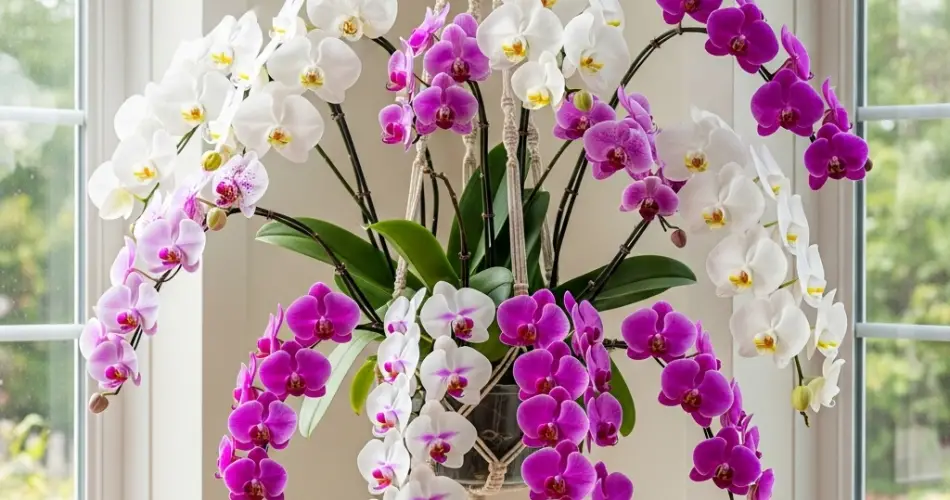
Orchids are renowned for their exotic beauty, vibrant colors, and delicate forms. Yet, many beginners hesitate to grow them, fearing failure due to the plant’s reputation for being difficult. If you’ve ever killed a plant and thought orchids were beyond your reach, this guide is for you. With simple, beginner-friendly steps, you can transform your garden into an orchid haven, even if you have a history of black thumbs.
This article will demystify orchid care, provide easy-to-follow advice, and give you confidence to grow these stunning plants successfully.
Why Grow Orchids?
Orchids offer unique benefits for gardeners, including:
-
Elegant blooms: Their long-lasting flowers brighten any space.
-
Diverse varieties: From miniature to large, there’s an orchid for every space and style.
-
Air purification: Like many houseplants, orchids help improve indoor air quality.
-
Sense of achievement: Successfully growing orchids can boost your confidence as a gardener.
With proper care, orchids can thrive for years, making them a rewarding addition to your garden.
Choose Beginner-Friendly Orchid Varieties
Some orchids are better suited for novices. For beginners who struggle with plants, consider:
-
Phalaenopsis (Moth Orchid): The most popular beginner orchid, known for easy care and long-lasting blooms.
-
Dendrobium: Adaptable and forgiving, these orchids flower readily under proper light.
-
Paphiopedilum (Slipper Orchid): Tolerant of lower light and less demanding on watering.
Start with one of these hardy varieties to build your orchid-growing confidence.
Right Location is Key
Light is critical for orchids but too much or too little can cause problems.
-
Bright, indirect light: Orchids thrive near east or west-facing windows where they get morning or late afternoon sun.
-
Avoid direct midday sun: Intense light can burn leaves.
-
Use sheer curtains: To diffuse harsh sunlight if necessary.
If your space lacks natural light, consider fluorescent grow lights to provide the right intensity without overwhelming the plants.
Proper Potting Medium and Containers
Orchids differ from many plants because they don’t grow well in soil. Instead, they need a special potting mix:
-
Use orchid bark, sphagnum moss, or a commercial orchid mix.
-
Ensure excellent drainage: Orchid roots need air circulation and should never sit in soggy medium.
-
Use pots with plenty of drainage holes.
Repot orchids every 1-2 years to refresh the medium and check root health.
Watering Made Simple
Overwatering is the most common mistake beginners make.
-
Water orchids only when the potting medium feels dry to the touch.
-
Typically, watering once a week is sufficient; reduce frequency in cooler months.
-
Use room temperature water and water in the morning to allow foliage to dry during the day.
-
Avoid letting water sit in the crown of the plant to prevent rot.
Using a moisture meter or simply feeling the medium can help you avoid guesswork.
Feeding Your Orchids
Fertilizing encourages healthy growth and blooms.
-
Use a balanced orchid fertilizer diluted to half strength.
-
Feed orchids once every two weeks during the growing season.
-
Reduce feeding in winter when growth naturally slows.
Avoid over-fertilizing, which can damage roots and leaves.
Humidity and Air Circulation
Orchids originate from tropical environments and appreciate moderate humidity.
-
Maintain humidity levels around 50-70%.
-
Increase humidity with a tray of water and pebbles beneath the pot or use a humidifier.
-
Ensure good air circulation to prevent fungal diseases by placing a fan nearby or opening a window occasionally.
Pruning and Maintenance
-
Remove spent blooms by cutting just above the node to encourage new flowers.
-
Trim dead or yellowing leaves with sterilized scissors.
-
Regularly check for pests like aphids or scale and treat promptly.
Common Problems and Easy Fixes
-
Yellow leaves: May indicate overwatering or poor drainage.
-
No blooms: Usually a light issue; orchids need adequate indirect sunlight to flower.
-
Root rot: Caused by too much water or lack of airflow; repot if roots look brown and mushy.
-
Pests: Treat infestations early with insecticidal soap or neem oil.
Build Confidence with Patience
Even the best gardeners start with challenges. Orchids may seem delicate, but with consistent care, they quickly become resilient companions.
Keep a journal of your watering and feeding schedule, observe your plant’s response, and adjust as needed. Celebrate small successes like new leaves or flower spikes to stay motivated.
Conclusion
Transforming your garden with orchids is entirely possible, even if you’ve struggled with plants before. By choosing beginner-friendly varieties, providing the right environment, and following simple care routines, you’ll cultivate stunning orchids that bring elegance and joy to your space.
Start small, be patient, and enjoy the rewarding journey of growing these beautiful tropical flowers. With time, your orchid collection can flourish, proving that even novice gardeners can master the art of orchid care.


