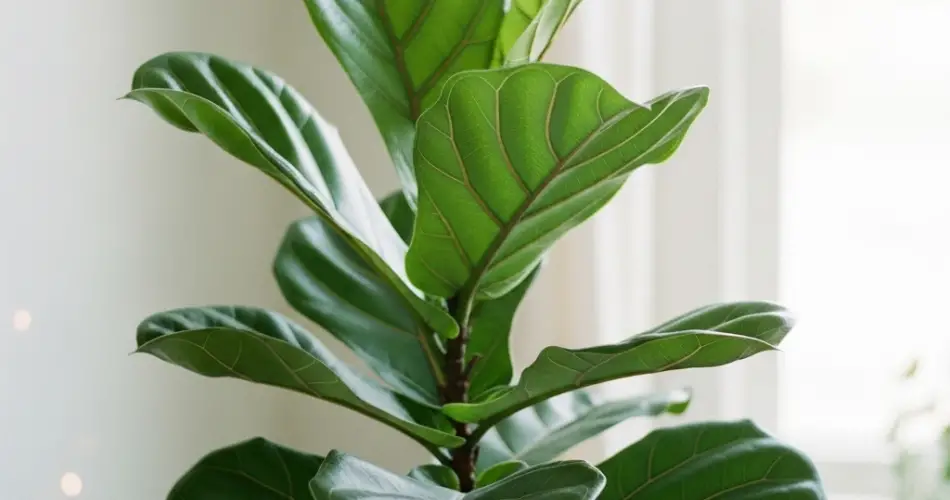
The fiddle leaf fig (Ficus lyrata) has become a modern classic in home decor, thanks to its stunning violin-shaped leaves and architectural presence. While it’s often seen indoors, this statement plant can also bring a bold, tropical touch to your outdoor garden—if the conditions are right.
Despite its reputation as a fussy houseplant, the fiddle leaf fig is surprisingly manageable with the right knowledge. Whether you’re placing it in a decorative pot on the patio or adding it as a focal point in a subtropical landscape, here’s how to care for and style this plant like a gardening pro.
1. Understand Its Natural Habitat
Fiddle leaf figs are native to West Africa, where they grow in warm, humid rainforests. They thrive in bright, indirect light and warm temperatures, and they do not tolerate cold or strong drafts.
If you’re planning to grow your fiddle leaf fig outdoors, it should be in a USDA hardiness zone 9–11. In cooler climates, the plant can be kept outside during the warmer months and brought indoors when temperatures dip below 50°F (10°C).
2. Choose the Right Location
Light is crucial for fiddle leaf figs. Outdoors, they love bright but filtered sunlight, such as under a canopy of trees or a partially shaded patio.
-
Avoid placing them in full, direct sunlight for long periods—especially in hot climates—as it can scorch the leaves.
-
A spot with morning sun and afternoon shade is ideal.
-
Indoors or on balconies, place the plant near a large window with lots of light, but out of the path of strong midday rays.
Once you’ve chosen the right location, try to keep it consistent. Fiddle leaf figs don’t appreciate being moved frequently.
3. Planting in Pots vs. Ground
Fiddle leaf figs can be grown in containers or directly in the ground if your climate allows.
In pots:
-
Choose a sturdy, large container with good drainage.
-
Use a well-draining soil mix, such as one for indoor trees or tropical plants.
-
Avoid soggy soil—this plant hates wet feet.
In the ground:
-
Make sure the soil is loamy and drains well.
-
Amend heavy clay or compacted soil with compost or sand.
-
Give it enough space—these trees can grow up to 15 feet or more outdoors.
4. Water Properly
The most common mistake with fiddle leaf figs is incorrect watering. Both overwatering and underwatering can cause leaf drop and stress.
-
Water only when the top 1–2 inches of soil feel dry.
-
For outdoor plants, rainfall may supplement watering needs, but be sure to monitor the soil.
-
Drainage is essential. Never let the plant sit in waterlogged soil.
During the growing season (spring and summer), water more frequently. In winter, scale back.
5. Feed for Lush Growth
To encourage vibrant, glossy foliage and healthy growth, fertilize regularly.
-
Use a balanced, water-soluble fertilizer (such as 10-10-10) once a month during spring and summer.
-
Pause feeding during fall and winter when the plant is dormant.
Overfeeding can lead to leaf burn, so always follow the label instructions and dilute if necessary.
6. Prune for Shape and Strength
Regular pruning keeps your fiddle leaf fig looking full and well-shaped. It also encourages new growth and helps prevent the plant from becoming leggy.
-
Prune in early spring using clean, sharp shears.
-
Trim back leggy branches to encourage side shoots.
-
Remove any damaged or diseased leaves promptly.
If you’re growing it as a tree, you can prune the lower leaves to reveal the trunk as it matures.
7. Protect Against Pests and Problems
Fiddle leaf figs are generally hardy but can be affected by a few common pests, especially outdoors.
Watch for:
-
Spider mites
-
Mealybugs
-
Scale insects
Wipe the leaves with a damp cloth regularly to keep them clean and deter pests. If needed, apply insecticidal soap or neem oil.
Other common issues include:
-
Brown spots or edges: Usually due to inconsistent watering or low humidity.
-
Leaf drop: Often a result of stress from overwatering, temperature swings, or relocation.
8. Create a Design Statement
Whether indoors or out, fiddle leaf figs make an instant design impact.
-
Place one in a large pot as a corner accent on a patio.
-
Use multiple figs to line a pathway or create a natural screen.
-
Underplant with smaller tropicals or low-light companions like calatheas, ferns, or philodendrons for a layered effect.
Fiddle leaf figs can also be trained into tree form or left to grow bushy depending on your design preference.
Final Thoughts
With their bold silhouette and vibrant green leaves, fiddle leaf figs offer a dramatic way to elevate your garden or home. While they may require a bit of attention to get right, once established, they are hardy, rewarding plants that can thrive for years.
Understanding their basic needs—light, warmth, humidity, and consistent care—makes all the difference. Whether you’re growing them on a sunny balcony or in a lush backyard, fiddle leaf figs can transform any space into a tropical-inspired retreat.