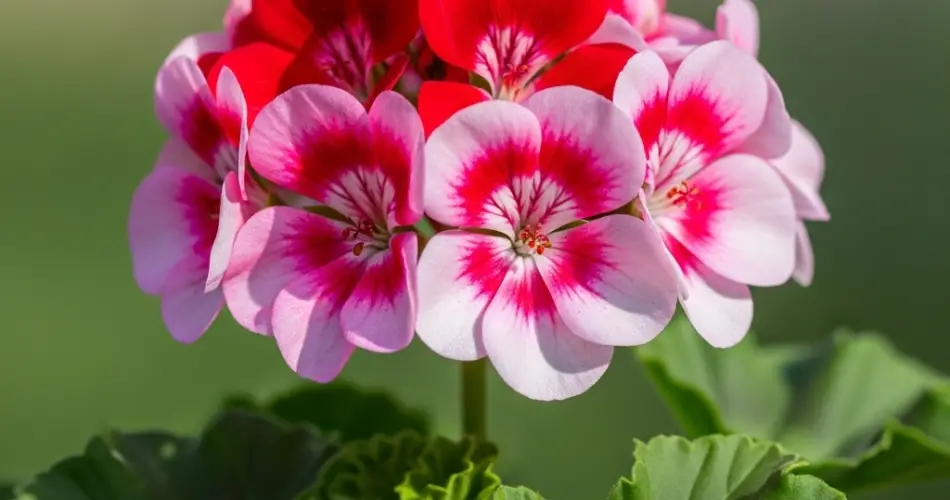
Geraniums are one of the easiest and most colorful flowering plants to grow, making them ideal for beginner gardeners. Whether you have a garden bed, a sunny balcony, or a simple windowsill, these cheerful plants can thrive with just a little basic care. Their vibrant blooms and scented leaves make them a favorite for adding instant charm to outdoor and indoor spaces alike.
If you’ve never grown a plant before, geraniums are a forgiving and rewarding place to start. Here’s how to successfully raise them from scratch, no experience required.
Why Choose Geraniums?
Geraniums (Pelargonium species) are loved for their continuous blooming, wide range of colors, and low maintenance needs. They come in upright or trailing forms and are suitable for beds, containers, window boxes, and hanging baskets.
Benefits of growing geraniums:
-
Long blooming season from spring through fall
-
Easy to care for, drought-tolerant once established
-
Can be grown from seeds, cuttings, or nursery plants
-
Naturally pest-resistant and low on diseases
Common types include:
-
Zonal Geraniums – Classic upright types with rounded leaves and bold flowers
-
Ivy Geraniums – Trailing types perfect for hanging baskets
-
Scented Geraniums – Grown more for their fragrant foliage than flowers
Step 1: Select the Right Location
Geraniums love sunlight. For best results, choose a location that gets at least 6 hours of direct sunlight per day. The more sun they get, the better they bloom.
Ideal growing locations:
-
A sunny garden bed with well-drained soil
-
Window boxes or pots on a balcony or patio
-
Indoors near a bright, south-facing window
Avoid shady, damp areas, as too much shade results in fewer blooms and leggy growth.
Step 2: Planting Your Geraniums
You can start geraniums from seeds, cuttings, or young plants from a garden center. For beginners, buying starter plants is the easiest route.
If planting in containers:
-
Use a pot with good drainage holes
-
Fill with a high-quality potting mix
-
Leave space between the rim and soil to avoid overflow when watering
If planting in the ground:
-
Loosen the soil and mix in compost to improve drainage
-
Space plants 8–12 inches apart to ensure air circulation
Step 3: Watering Made Simple
Geraniums prefer soil that dries out a bit between waterings. They do not like soggy roots, so watering correctly is key:
-
Water thoroughly when the top inch of soil feels dry
-
In hot summer weather, this may be every 2–3 days
-
In cooler weather, water less frequently
-
Avoid watering the leaves to reduce the risk of fungal issues
Always empty saucers under pots to prevent standing water.
Step 4: Feeding for Full Blooms
To keep geraniums blooming nonstop, feed them regularly during the growing season.
-
Use a balanced liquid fertilizer every 2–3 weeks
-
For container plants, use a half-strength fertilizer more often
-
Stop fertilizing in late fall when growth naturally slows
Avoid over-fertilizing, as this can lead to lush leaves but fewer flowers.
Step 5: Pruning and Deadheading
Keeping your geraniums looking tidy and productive is simple with a few basic habits:
-
Deadhead spent blooms by pinching or cutting off the entire flower stem
-
Prune leggy stems to encourage bushier growth
-
Remove yellowing or damaged leaves regularly
A little regular care encourages more blooms and a compact shape.
Step 6: Watch for Pests and Problems
Geraniums are hardy, but a few pests may show up from time to time. Keep an eye out for:
-
Aphids – Small green or black insects that cluster on new growth
-
Whiteflies – Tiny white insects that fly up when leaves are disturbed
-
Spider mites – Fine webbing on the undersides of leaves
Combat these by rinsing the plant with water or using insecticidal soap. Also, ensure plants have good airflow to prevent mold or mildew.
Step 7: Overwintering Geraniums
In colder climates, geraniums won’t survive a winter frost outdoors. You can:
-
Bring potted plants indoors before the first frost
-
Trim them back and place them in a bright window
-
Water lightly over winter to keep them alive until spring
Alternatively, take cuttings in fall and root them indoors to grow fresh plants for next season.
Final Tips for Success
-
Use terracotta pots for better drainage and airflow
-
Mulch around outdoor plants to retain moisture
-
Rotate pots every few weeks for even sun exposure
-
Don’t crowd your plants—air circulation helps prevent disease
Conclusion
With their bright blooms, fragrant leaves, and easy-going nature, geraniums are an excellent plant for anyone starting their gardening journey. They don’t ask for much—just sun, a little water, and an occasional trim. In return, they’ll reward you with color, scent, and the satisfaction of nurturing something beautiful with your own hands.
Whether on a balcony, windowsill, or backyard garden, geraniums bring effortless charm and cheerful color to any space. No green thumb required.


