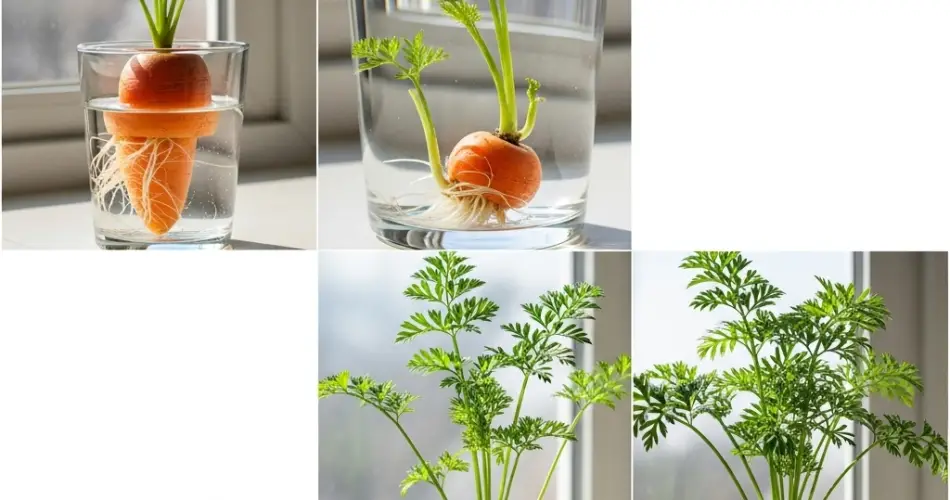
Carrots are among the most popular vegetables grown in home gardens. They’re nutritious, versatile in the kitchen, and relatively simple to grow. But what if you could expand your carrot patch without even needing seeds? Believe it or not, with just a few carrot tops left over from your kitchen scraps, you can breathe new life into your garden in an eco-friendly and surprisingly effective way.
This method is not only sustainable, but it also adds a touch of greenery and life to your gardening routine with minimal effort. Here’s how you can turn your kitchen leftovers into a flourishing carrot patch.
Why Use Carrot Tops?
Carrots are typically grown from seeds, but the green tops left over after peeling and chopping are still alive. While you can’t regrow a full carrot root from the top, these scraps can regrow foliage and even help with seed production in the long term. The green shoots that sprout from the tops make for a great addition to herb gardens, and the resulting flowers can attract pollinators to your garden.
Moreover, reusing food scraps is a simple and effective way to reduce kitchen waste and support a more sustainable lifestyle.
What You’ll Need
Before you begin, gather the following items:
-
Carrot tops (around 2–3 cm of the root still attached is ideal)
-
A shallow bowl or tray
-
Water
-
Toothpicks (optional)
-
Small pots or garden space with loose, well-drained soil
Step-by-Step Instructions
1. Prepare the Carrot Tops
After using carrots in your kitchen, save the tops with a bit of the orange root still attached—this will help with regrowth. Choose fresh, firm tops rather than dried-out pieces. If the tops are already sprouting green shoots, even better!
2. Set Them in Water
Place the carrot tops in a shallow bowl with the cut side down and the green top facing up. Add just enough water to cover the base of the carrot. If needed, use toothpicks to balance the tops so they’re not fully submerged. Place the bowl on a windowsill or any spot with indirect sunlight.
Change the water every couple of days to prevent mold and rot. Within a few days, you should notice green shoots emerging from the top and fine roots beginning to form below.
3. Transplant to Soil
Once the roots are a few centimeters long and the top has healthy green leaves, it’s time to transplant the carrot tops into soil. You can use small pots or plant them directly into your garden.
Make sure the soil is loose and well-drained. Carrots don’t like compacted or rocky soil. Plant the carrot tops so that only the green shoot is exposed above the soil line.
4. Provide Proper Care
Water your carrot plants regularly, especially in the first week after transplanting. Keep the soil moist but not soggy. These tops will not produce new carrot roots, but the leafy green tops will continue to grow, and eventually, the plant may bolt and produce flowers.
The foliage is not only visually appealing but can also be harvested for culinary uses such as pesto, salads, or garnishes. Additionally, when the plant flowers, it can provide seeds for future planting.
Additional Tips
-
Choose organic carrots if possible, as conventionally grown carrots may be treated to prevent sprouting.
-
Watch for pests like aphids, especially if you’re growing your carrot tops outdoors.
-
Use carrot greens in the kitchen. They’re edible and can be used in broths, smoothies, or as herbs.
-
Let the plant flower if you want to collect seeds. It may take a full season, but the flowers will attract beneficial insects like bees and butterflies.
Benefits of Growing Carrots from Scraps
-
Waste Reduction: Gives a second life to food scraps that would otherwise be thrown away.
-
Eco-Friendly Gardening: Encourages natural cycles and minimizes the need for commercial seeds.
-
Educational: A great activity for children or beginner gardeners to understand plant life cycles.
-
Low Cost: No need for expensive gardening materials—just a few kitchen leftovers and basic tools.
Growing carrots from scraps might not yield a new harvest of orange roots, but it opens up a new dimension of gardening. From providing leafy greens to eventually producing seeds and attracting pollinators, this simple trick can transform your garden into a thriving, sustainable space.
Whether you have a backyard plot or a few pots on a windowsill, this small effort can lead to a big impact. Start saving those carrot tops and watch your green space come to life.


