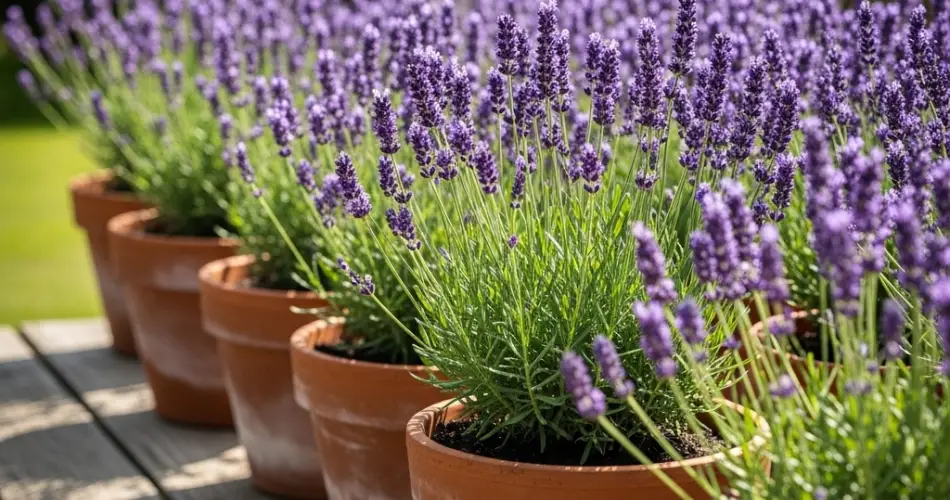
Lavender is more than just a pretty plant with a pleasant fragrance. It’s a symbol of serenity, a magnet for pollinators, and a versatile herb used in cooking, medicine, and home décor. Cultivating lavender like a seasoned gardening expert requires more than placing it in a pot and hoping for blooms. With a little knowledge and attention to detail, you can grow healthy, vibrant lavender that thrives year after year.
Whether you’re starting a lavender garden for the first time or trying to improve your results, this guide will walk you through everything you need to know to grow lavender like a pro.
1. Choose the Right Lavender Variety
There are several species and hybrids of lavender, each with specific needs and advantages:
-
English Lavender (Lavandula angustifolia) is the most commonly grown, valued for its fragrance and cold hardiness.
-
French Lavender (Lavandula dentata) features decorative, toothed leaves and is best suited for warm climates.
-
Spanish Lavender (Lavandula stoechas) is known for its distinctive flower shape and thrives in hot, dry areas.
-
Lavandin (Lavandula x intermedia) is a hybrid of English and Portuguese lavender, prized for its oil production and tall stems.
Choosing the right type for your climate and garden purpose ensures better growth and fewer problems later.
2. Plant in the Perfect Location
Lavender loves sun—lots of it. For optimal results, plant lavender in a spot that receives at least 6 to 8 hours of full sun each day. Good airflow is also important to reduce humidity and prevent fungal issues.
The soil should be:
-
Well-drained
-
Slightly alkaline (pH 6.5 to 7.5)
-
Low to moderately fertile
Avoid overly rich or soggy soils, which can lead to root rot. If your garden soil is clay-heavy, consider planting lavender in raised beds or containers with a sandy soil mix.
3. Use the Right Planting Technique
If you’re planting directly in the ground:
-
Space plants 18 to 24 inches apart to allow airflow.
-
Mix in sand or small gravel to improve drainage.
-
Plant lavender with the crown just above soil level to prevent rotting.
For container gardening:
-
Choose pots with good drainage holes.
-
Use a mix of potting soil and sand or perlite (about 2:1 ratio).
-
Keep pots on raised platforms or bricks to ensure airflow under the container.
4. Water Wisely
Lavender is drought-tolerant once established but still needs attention when young. Follow these watering guidelines:
-
Water deeply but infrequently.
-
Let the top inch of soil dry out before watering again.
-
Avoid wetting the foliage to prevent mold and disease.
Overwatering is one of the most common mistakes. A mature lavender plant typically only needs watering once every 1–2 weeks, depending on the weather.
5. Prune Regularly for Healthy Growth
Pruning is essential to keeping lavender compact, bushy, and full of blooms. Without pruning, lavender tends to become woody and sparse.
-
First-year plants: Pinch off flower buds early in the season to encourage root growth.
-
Established plants: Prune once or twice a year—lightly in early spring, then again after flowering in late summer. Cut back about one-third of the plant, but avoid cutting into old woody stems.
Consistent pruning helps the plant maintain a neat shape and encourages more vigorous blooming.
6. Harvest Flowers the Right Way
Harvesting at the right time ensures the strongest scent and oil content:
-
Wait until half to two-thirds of the flower buds have opened.
-
Cut stems in the morning, after dew has dried but before the sun is too hot.
-
Use sharp shears and gather bunches for drying, crafts, or culinary use.
Dry lavender in a cool, dark, well-ventilated space, hanging bunches upside down for a couple of weeks.
7. Keep Pests and Diseases at Bay
Lavender is naturally resistant to most pests, but keep an eye out for:
-
Aphids and spittlebugs: These can be hosed off or treated with insecticidal soap.
-
Fungal diseases like root rot: Avoid overwatering and ensure proper drainage.
-
Yellowing leaves may indicate too much water or poor airflow.
Maintaining good garden hygiene and proper spacing helps prevent most issues.
8. Winter Protection Tips
In colder climates, lavender needs some help to survive the winter:
-
Mulch with straw or pine needles around the base, but not directly on the crown.
-
Avoid fertilizing in late summer or fall, as this promotes tender growth that may not survive frost.
-
In zones below USDA 5, grow lavender in containers that can be moved indoors to a cool, bright room over winter.
Conclusion
Growing lavender like a seasoned gardening expert is about understanding the plant’s needs and responding with care and consistency. With full sun, proper pruning, the right soil conditions, and thoughtful watering, you’ll be rewarded with lush plants and beautifully fragrant flowers season after season.
Whether you’re aiming to fill your garden with calming scent, attract pollinators, or harvest flowers for your home, mastering lavender cultivation is a satisfying and rewarding journey.


