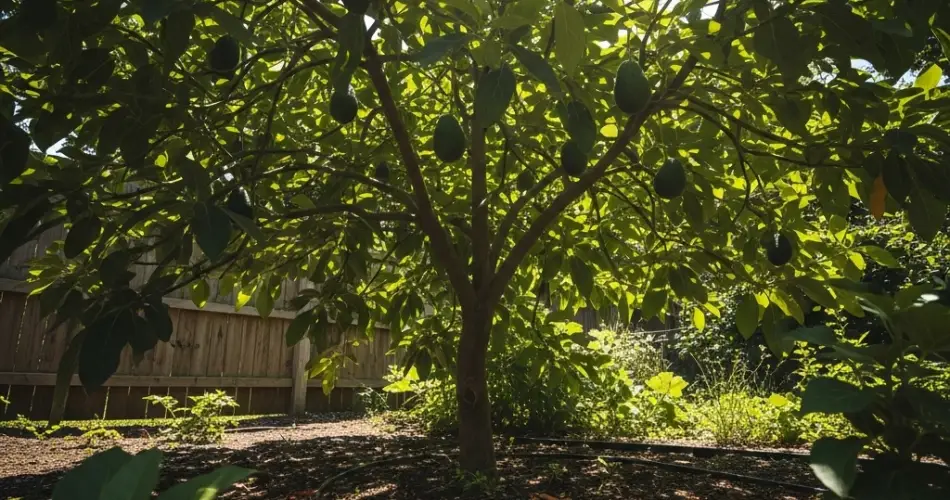
Avocados are beloved for their creamy texture and rich nutritional profile, but what many people don’t realize is how easy it can be to grow your own avocado plant using kitchen scraps—specifically the seed from a store-bought avocado. With a bit of care and patience, that leftover pit can be transformed into a thriving indoor or outdoor plant that adds lush greenery to your space.
While growing an avocado tree from seed may not yield fruit for several years—or in some climates, not at all—it’s still a rewarding project that helps reduce waste and gives you a beautiful, ornamental plant with little cost or effort.
Why Grow Avocado from Scraps?
Starting an avocado plant from a pit is a sustainable way to repurpose kitchen waste. Not only is it environmentally friendly, but the process is also fun and educational. It’s ideal for beginner gardeners, apartment dwellers, families with children, or anyone looking to add greenery to their surroundings without needing to buy seeds or young plants.
Plus, avocado plants are attractive additions to any indoor garden, with large, glossy leaves and a tropical feel that brightens up any space.
What You’ll Need
To begin growing an avocado plant from a seed, gather the following items:
-
One fresh avocado pit
-
Toothpicks (3–4)
-
A glass or jar
-
Water
-
A sunny windowsill or bright spot
-
A pot with well-draining soil (for later transplanting)
Step 1: Prepare the Pit
After enjoying your avocado, gently remove the seed and rinse off any remaining flesh. Avoid removing the brown outer skin of the seed—it acts as a protective layer.
Determine which end is the top and which is the bottom. The slightly pointed end is the top (where the sprout will emerge), and the flatter end is the bottom (where the roots will grow).
Step 2: Suspend the Pit in Water
Insert 3–4 toothpicks into the pit at a slight downward angle, evenly spaced around the seed. Use these toothpicks to suspend the seed over a glass of water, ensuring the bottom half (flat side down) is submerged.
Place the glass in a bright, warm location, such as a sunny windowsill. Change the water every 2–3 days to prevent mold and bacteria.
Within 2–6 weeks, the seed will begin to crack, and roots will emerge from the bottom. Soon after, a sprout will break through the top.
Step 3: Potting the Seedling
Once the sprout reaches about 6 inches tall and the roots are 2–3 inches long, it’s time to transplant the seed into soil.
Fill a small pot (at least 8 inches deep) with well-draining potting mix. Bury the lower half of the seed in the soil, leaving the top exposed. Water thoroughly and place the pot in a warm, sunny spot with at least 6 hours of light daily.
Step 4: Caring for Your Avocado Plant
Avocado plants thrive in bright, indirect sunlight. They prefer consistently moist soil but dislike waterlogged conditions. Water when the top inch of soil feels dry.
To encourage fuller growth, pinch off the top leaves once the plant reaches 12 inches tall. This promotes branching and prevents the plant from becoming too leggy.
During the growing season (spring through summer), feed your avocado plant once a month with a balanced, diluted liquid fertilizer.
Step 5: Long-Term Maintenance
While it’s unlikely that a seed-grown avocado tree will fruit indoors or in cooler climates, it can still be a vibrant ornamental plant. In warm regions (USDA Zones 9–11), it may be planted outdoors in the ground after it reaches 2–3 feet tall and the threat of frost has passed.
Keep in mind:
-
Avocados are sensitive to frost. If you live in a cooler climate, keep the plant indoors or bring it inside during cold months.
-
They benefit from occasional pruning to maintain shape and promote bushier growth.
-
Avoid overwatering, as avocados are prone to root rot.
Common Problems and Solutions
-
Brown leaf tips: Often caused by dry air or salt buildup from water. Mist the plant or flush the soil with fresh water monthly.
-
Yellowing leaves: May indicate overwatering. Allow soil to dry slightly between waterings.
-
Leggy growth: Provide more sunlight or pinch back stems to promote a fuller appearance.
Final Thoughts
Growing an avocado plant from a kitchen scrap is a surprisingly simple and satisfying experience. While it may take years—or ideal climate conditions—for a seed-grown avocado tree to bear fruit, the journey is full of joy and discovery. It’s a great way to add greenery to your living space while promoting sustainable gardening habits.
With regular care, a sunny spot, and a little patience, that leftover seed from your guacamole can become a centerpiece in your home garden.


