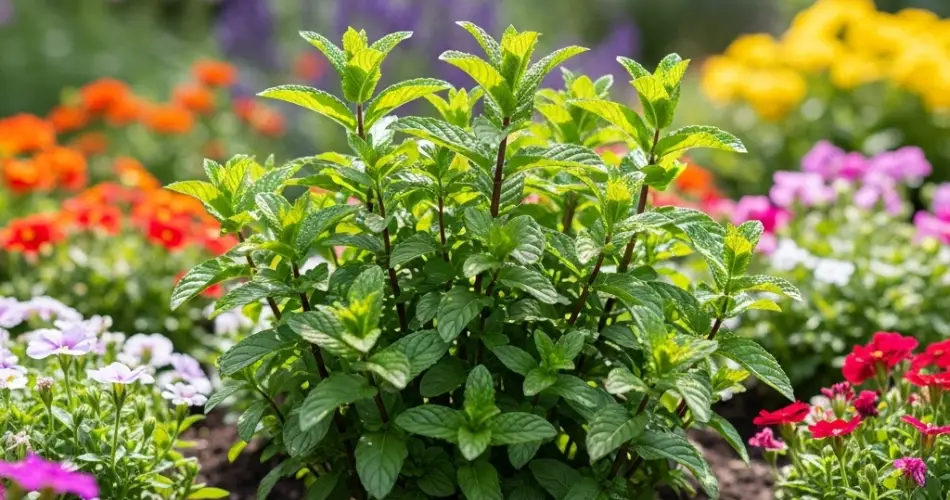
Mint is one of the most versatile and easy-to-grow herbs you can cultivate in your backyard. Known for its refreshing aroma and bright flavor, mint adds zest to teas, cocktails, desserts, and savory dishes alike. Beyond the kitchen, it also has medicinal properties and can help repel pests in your garden.
If you want to grow mint effortlessly while enjoying a steady supply throughout the year, this guide will help you cultivate it with zero hassle. From selecting the right variety to simple care tips, here’s everything you need to know to grow thriving mint plants right in your backyard.
Why Grow Mint in Your Backyard?
Mint grows vigorously, making it an excellent choice for gardeners who want a productive and low-maintenance herb. It’s hardy, pest-resistant, and adapts well to different soil types and climates. Growing your own mint saves money and ensures you have fresh leaves whenever needed, free from pesticides or chemicals.
Choosing the Right Mint Variety
There are many varieties of mint, each with distinct flavors and uses. Some popular types include:
-
Spearmint: The most common variety, great for cooking and drinks.
-
Peppermint: Known for its strong menthol flavor, ideal for teas and remedies.
-
Chocolate mint: Offers a subtle chocolate undertone.
-
Apple mint: Sweet and fruity, perfect for salads and garnishes.
Choose a variety that suits your taste and culinary needs. You can also mix varieties to have a range of flavors in your garden.
Preparing Your Backyard for Mint
Mint thrives in well-drained, fertile soil with a pH between 6.0 and 7.0. Before planting, enrich your soil with organic matter like compost to improve texture and nutrients.
Because mint spreads quickly through underground runners, it’s best to contain it to prevent it from overtaking other plants. Consider planting mint in:
-
Containers or pots: This is the easiest way to keep mint contained.
-
Raised beds or dedicated garden sections: You can install barriers underground to restrict its spread.
Choose a location with partial to full sunlight. Mint grows well in both sun and light shade, but it performs best with at least 4–6 hours of sunlight daily.
Planting Mint
You can start mint from seeds, cuttings, or small nursery plants. Growing from seeds can be slower and less reliable, so most gardeners prefer cuttings or buying young plants.
-
From cuttings: Take a 4–6 inch cutting from an established mint plant, remove the lower leaves, and place it in water until roots form (usually 1–2 weeks). Then transplant into soil.
-
From nursery plants: Simply transplant into prepared soil or a pot, spacing plants about 12 inches apart.
Plant mint at the same soil depth it was growing previously and water well after planting.
Watering and Feeding
Mint likes consistently moist soil but does not tolerate soggy conditions. Water regularly, especially during dry spells, to keep the soil damp but not waterlogged.
Feed your mint every 4–6 weeks during the growing season with a balanced, water-soluble fertilizer or organic compost tea to encourage lush growth.
Caring for Mint: Maintenance Made Easy
Mint is low maintenance, but a few simple practices will help you get the best yield:
-
Pruning: Regularly pinch back the tips of your mint plants to encourage bushier growth and prevent flowering. Once mint flowers, its leaves can become bitter.
-
Harvesting: Begin harvesting once plants reach 6–8 inches tall. Snip off stems just above the first or second set of leaves. Harvesting frequently encourages new growth.
-
Dividing: Every 2–3 years, divide mint clumps in early spring to keep plants healthy and vigorous.
Managing Mint’s Spread
Because mint spreads aggressively, it’s important to manage its growth to prevent it from overtaking other garden plants.
-
Use root barriers if planting in the ground.
-
Grow mint in containers or pots.
-
Regularly trim back runners that spread beyond the desired area.
This way, you keep your garden neat without sacrificing your mint harvest.
Common Problems and Solutions
Mint is generally pest and disease resistant, but you may occasionally encounter:
-
Powdery mildew: A white powdery coating on leaves. Improve air circulation, avoid overhead watering, and remove affected leaves.
-
Rust: Orange spots on leaves. Remove affected parts and keep the soil dry.
-
Aphids or spider mites: Spray plants with water or use insecticidal soap if infestations occur.
Harvesting and Storing Mint
Harvest mint leaves as needed, preferably in the morning when oils are most concentrated. Fresh mint can be stored in a glass of water on the counter or refrigerated wrapped in a damp paper towel inside a plastic bag.
For long-term storage:
-
Dry mint leaves in a shaded, well-ventilated area, then store in airtight containers.
-
Freeze mint leaves in ice cube trays with water or olive oil for use in cooking and drinks.
Final Thoughts
Growing mint in your backyard requires minimal effort but offers abundant rewards. With its rapid growth and resilience, mint provides fresh flavor and aroma year-round. By selecting the right variety, managing its spread, and following simple watering and harvesting techniques, you can enjoy a flourishing mint garden with zero hassle.
Whether for culinary use, natural remedies, or simply the joy of gardening, mint is an excellent herb to cultivate in any backyard.


