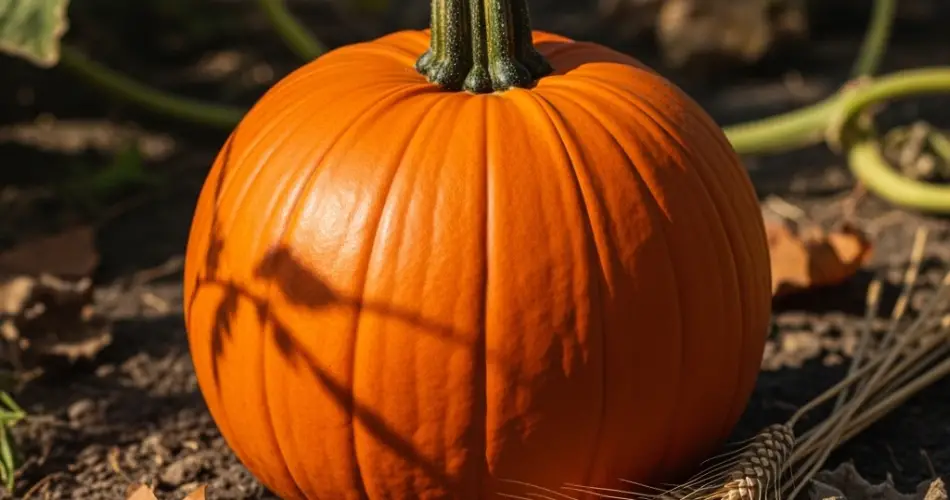
Pumpkins are known for their sprawling vines, but with purposeful training, you can guide them to grow efficiently in tighter spaces. Training your pumpkin vines vertically or in a controlled pattern doesn’t just save garden real estate—it improves air circulation, reduces disease, and enhances sun exposure. Whether you’re working in raised beds, containers, or a small yard, these techniques will help you maximize pumpkin production while minimizing space.
1. Start with the Right Variety and Timing
Choosing a suitable cultivar is key to successful vine training. Compact or bush varieties like ‘Jack Be Little’, ‘Bush Baby’, or small ornamental types are ideal for space-saving growing. These plants naturally stay smaller and adapt better to pruning and support.
Plant seedlings after the danger of frost has passed and when the soil warms to at least 65 °F (18 °C). If transplanting from pots, bury part of the stem to encourage stronger root development. Early growth and establishment help vines respond better to training.
2. Direct Vines onto a Trellis
One of the most effective space-saving techniques is growing pumpkins vertically on a sturdy trellis, fence, or wall. Construct a structure using strong stakes, cattle panels, or lactic netting secured to a frame. As vines grow, train them upward by gently weaving main stems through the support. Vining pumpkins are naturally equipped with tendrils that grip. For heavier fruits, tie their stems loosely to the trellis with twine or pantyhose to alleviate stress.
Vertical growth minimizes ground use, reduces soil pathogens, and makes harvesting easier. However, providing adequate fruit support is essential to prevent breakage.
3. Build Hammocks to Support Fruits
When pumpkins start forming, their weight can overwhelm a trellis. Prevent damage by fashioning slings or hammocks using soft fabrics, mesh bags, or sturdy pantyhose. Secure each end of the sling to the trellis at the fruit’s height, creating a hammock that cradles the developing pumpkin. This method distributes the weight evenly and protects vines and fruit, enabling successful vertical growth even for larger pumpkins.
4. Prune to Control Vigor and Encourage Fruiting
Selective pruning is central to managing vine growth and fruiting. Monitor for secondary vines emerging at leaf axils. Allow only three to four main vines per plant, depending on their vigor and available space. Remove other side shoots to focus the plant’s energy on strong main branches and fruit formation. Pinch off the growing tips of main vines once they reach the top of the trellis, which encourages lateral branching and places fruit in more accessible positions.
Pruning conserves nutrients and water, promotes healthier fruit, and makes maintenance more manageable.
5. Opt for a Spiral or Hoop Training Layout
If a vertical trellis is not viable, spiral or hoop-shaped training offers a creative alternative. Insert a stout stake in the center of a container or bed and guide the main vine in a circular pattern around the stake, forming a spiral. Support it with loosely wrapped twine or netting.
Alternatively, create a hoop structure with two hoops placed at intervals. Train the vine over one hoop and under the next, enabling vertical and horizontal growth in a compact stack. Both methods are space-efficient and ideal for patios or raised beds.
6. Train Along Raised Bed Edges or Fences
Raised beds or paths edged with fences offer natural trellising options. Plant pumpkins at one side and direct the vine along the fence line. Use landscape staples or netting to encourage the vine to climb, or train it parallel to the ground for a narrow footprint.
Edging training prevents vines from taking over, keeps paths clear, and makes harvesting easier.
7. Use Containers with Arbors or Cages
Container gardens can benefit from vertical structures like arbors or tomato cages. Plant pumpkins in large pots (at least 15 gallons) that accommodate roots and ample soil. Place a cage or arbor in the center, and train the vines up it. Due to limited soil volume, compact varieties are essential. Containers can be moved to optimize sunlight or shelter against wind. Track harvest weight to ensure containers remain stable.
8. Maintain Regular Training and Monitoring
Space-saving vine training requires ongoing care. Check vines daily to guide them properly along supports. Untangle tendrils and encourage them toward the structure. Monitor tie points—replace twine or pantyhose if loose or constrained. Regularly inspect fruit slings to ensure they’re holding weight as the fruit grows.
Keep vines lifted and spaced early on, preventing tangles and strengthening the overall structure as fruit develops.
9. Benefits of Trained Vines
Training pumpkin vines delivers many garden advantages:
-
Space Savings: Vertical or spiral layouts allow more pumpkins in limited space.
-
Healthier Plants: Improved air circulation reduces fungal diseases and rot.
-
Cleaner Fruit: Pumpkins don’t lay on soil, resulting in better quality and easier harvest.
-
Ease of Harvesting: Fruits are more visible and easier to trim from vines.
10. Harvest with Care
Monitor pumpkins for mature rind color and hardened skin. Whether grown vertically or spiraled, cut them from the vine using sharp pruners, leaving a 2–3 inch stem. Avoid twisting, which can damage vines or fruit. Let harvested pumpkins cure on the vine (if possible) in a shaded spot for a week, then follow standard curing and storage methods.
Final Thoughts
With thoughtful vine training, pumpkins no longer need sprawling room to succeed. Vertical, spiral, or caged setups paired with strategic pruning and fruit support let you grow vibrant pumpkin plants in compact spaces. The result: healthier harvests, cleaner fruit, and more productive gardens that make the most of every inch. Whether your garden is small or you simply love a tidy growing space, trained pumpkin vines are a smart and rewarding choice.


