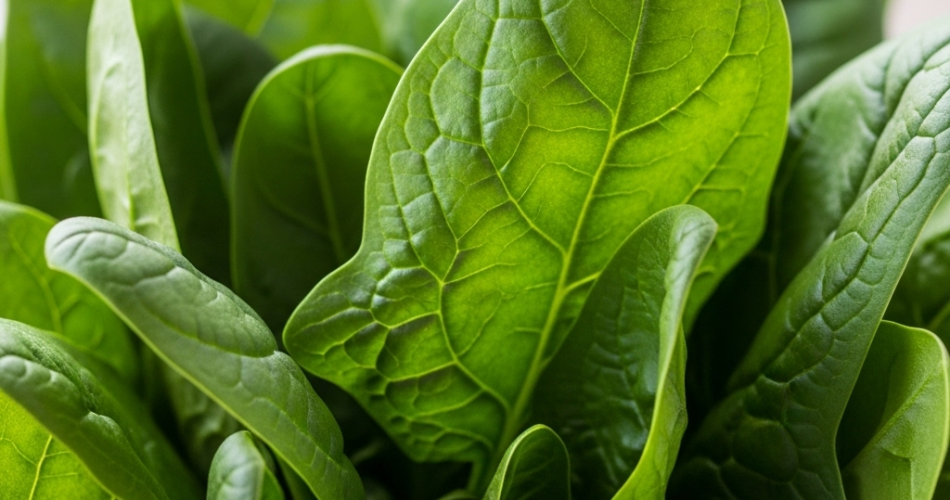
Spinach is a fast-growing, nutrient-rich leafy green that’s perfect for home gardens and container growing alike. One of its best features is that it can produce multiple harvests—if picked the right way. Knowing how and when to harvest spinach correctly is key to enjoying a steady supply of fresh leaves over a longer period.
In this guide, you’ll learn how to harvest spinach properly to extend its life, prevent bolting, and maximize yields throughout the growing season.
Why Proper Harvesting Matters
Spinach is a “cut and come again” crop, meaning if harvested the right way, the plant will continue to produce new leaves. However, harvesting too aggressively or at the wrong time can stress the plant or trigger early bolting (flowering), which ends its productive life.
By learning the correct harvesting techniques, you can enjoy tender spinach leaves for weeks—or even months—depending on your local climate.
Best Time to Harvest Spinach
Spinach leaves can be harvested as soon as they are large enough to eat, typically when they reach 3 to 4 inches long. Depending on the variety and growing conditions, this can be anywhere from 25 to 45 days after sowing.
There are two main harvesting windows:
-
Baby spinach stage (early): Leaves are tender and ideal for salads. Harvest can begin 3–4 weeks after planting.
-
Mature stage: Full-size leaves with richer flavor, great for cooking. Ready in 5–6 weeks after planting.
Tip: Harvest in the early morning for the crispest leaves. Avoid harvesting during the hottest part of the day to prevent wilting.
Two Effective Harvesting Methods
You can harvest spinach in two primary ways: leaf-by-leaf or full-cut. Both are effective, depending on your goal.
1. Leaf-by-Leaf Harvesting (Best for Continuous Yield)
This method involves snipping the outer, mature leaves while allowing the inner leaves to keep growing.
How to do it:
-
Use clean scissors or garden shears.
-
Cut the outermost leaves about 1 inch above the soil level.
-
Leave the central crown (the small cluster of inner leaves) intact.
-
Harvest every few days to encourage steady new growth.
This technique allows the plant to continue growing and producing leaves, extending your harvest over several weeks.
2. Cut-and-Come-Again (Partial or Full Harvest)
This method is useful when you want a large harvest all at once but still hope for regrowth.
How to do it:
-
Use a sharp knife or shears to cut all leaves about 1 inch above the crown.
-
Do not cut below the growing point (crown), or the plant won’t recover.
-
Water and fertilize lightly after cutting to encourage regrowth.
Spinach can often regrow 1–2 more times after a full harvest, especially in cool weather.
Avoid These Common Harvesting Mistakes
To get the most from your spinach plants, avoid the following harvesting errors:
-
Harvesting too early: Very young leaves are delicate and may not regrow well.
-
Overharvesting: Removing too many leaves at once can shock the plant.
-
Cutting into the crown: Damaging the central growing point will kill the plant.
-
Delaying harvest: Older leaves become tough and bitter, especially in hot weather.
Be gentle with the plant and always use clean tools to prevent disease transmission.
Prevent Bolting to Extend the Harvest
Bolting is when a spinach plant prematurely sends up a flower stalk, usually in response to heat or day length changes. Once it bolts, the leaves become bitter and inedible.
To delay or prevent bolting:
-
Grow in cooler seasons: Spinach is a cool-season crop. Plant in early spring or late summer for a fall harvest.
-
Choose bolt-resistant varieties: Look for varieties labeled as “slow to bolt.”
-
Provide partial shade: Protect plants from intense afternoon sun during warm weather.
-
Keep soil moist: Stress from dry soil can trigger bolting. Use mulch to retain moisture.
Harvesting regularly also signals the plant to keep producing leaves rather than going to seed.
How to Store Spinach After Harvesting
Once harvested, spinach wilts quickly if not stored properly. To keep it fresh:
-
Wash leaves thoroughly and let them dry completely.
-
Wrap in a paper towel and place in a plastic bag or airtight container.
-
Refrigerate immediately. Spinach stays fresh for 5–7 days in the fridge.
For long-term use, spinach can also be blanched and frozen.
Final Thoughts
With the right harvesting techniques, spinach can provide an extended harvest full of fresh, flavorful leaves. Whether you’re picking just a few baby leaves for salad or trimming a full bunch for cooking, knowing when and how to cut makes all the difference.
Focus on harvesting outer leaves first, avoiding damage to the crown, and staying ahead of bolting by growing in the right season. With these simple methods, you’ll enjoy continuous spinach harvests from your garden for weeks on end.


